
240 kW Cummins Generator Set –
What buyers should confirm first
240 kW Cummins Generator Set should be evaluated against the real load profile, voltage and frequency standard, duty rating, enclosure requirement, and installation environment before the order is confirmed.
Before requesting a quotation
- Confirm standby or prime duty and the expected running hours.
- Match site voltage, phase, and 50Hz or 60Hz requirement with the destination equipment.
- Check whether ATS, canopy, fuel tank, trailer, or remote monitoring are part of the same quote.
- Ask for the exact engine model, alternator model, controller type, and factory test scope.
Documents worth requesting
- Rated power table with standby and prime values clearly separated.
- Dimension and weight information for shipping, foundation, and room layout checks.
- Wiring diagram or ATS scope when the package includes switching equipment.
- Factory test record, packing list, and after-sales contact route for export support.
Related product resources
What is the 240 kW Cummins Generator Set?
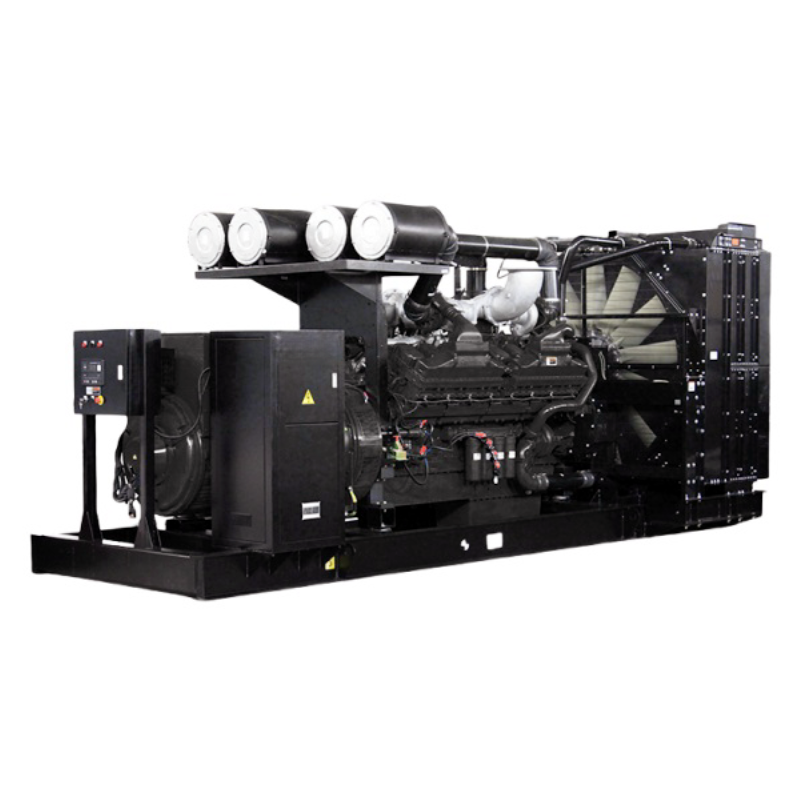
The 240kW Cummins Generator Set is a reliable power generation solution designed for industrial, commercial, and emergency backup applications. Built with the renowned Cummins engine platform, this generator delivers consistent performance, fuel efficiency, and durability. Whether you need primary power for remote sites or standby backup for hospitals, data centers, or manufacturing facilities, the 240 kW Cummins Generator Set is engineered to meet demanding power requirements.
Applications of the 240 kW Cummins Generator Set
The 240 kW Cummins Generator Set is widely used across multiple industries:
- Industrial manufacturing
- Commercial buildings
- Hospital and healthcare
- Telecommunications
- Data centers
- Mining operations
- Construction sites
Key Features of the 240 kW Cummins Generator Set
- Powered by Cummins engine — world-renowned for reliability and fuel efficiency
- Alternator with >94% efficiency for stable power output
- Digital control panel with LCD display for easy monitoring
- Heavy-duty steel base frame for structural stability
- Integrated fuel tank with 8-10 hours of runtime at full load
- Low noise design — as low as 65 dB(A) at 7 meters (silent models)
- Meets EPA / EU emissions standards
- Easy maintenance with accessible service points
Technical Specifications
| Model | 240kw-cummins-generator-set |
|---|---|
| Power Output | 240kW (Prime/Standby) |
| Voltage | 220V/380V/400V/415V (Customizable) |
| Frequency | 50Hz / 60Hz |
| Engine Brand | Cummins |
| Type | 4-Stroke, Water-Cooled, Direct Injection |
| Alternator | Brushless, Self-Excited |
| Controller | DeepSea / Smartgen Digital Control |
| Fuel Tank | Integrated, 8-10 hrs @ full load |
| Noise Level | 65-85 dB(A) @ 7m |
| Starting System | Electric / Automatic |
| Dimensions (LxWxH) | Varies by model |
| Weight | Varies by model |
| Certification | ISO 9001 / CE / EPA |
Why Choose the 240 kW Cummins Generator Set?
When selecting a diesel generator, reliability and after-sales support are as important as the specifications. The 240 kW Cummins Generator Set from Tesla Diesel combines the proven Cummins engine platform with expert manufacturing standards to deliver:
- Proven Reliability: Cummins engines have been tested in millions of applications worldwide
- Fuel Efficiency: Optimized combustion reduces operational costs by up to 15%
- Global Service Network: Authorized dealers and service centers in 100+ countries
- Competitive Pricing: Factory-direct pricing without middlemen markup
- Customization Options: Parallel operation, auto transfer switch, remote monitoring available
Frequently Asked Questions
Q1: What is the typical lifespan of the 240 kW Cummins Generator Set?
The 240 kW Cummins Generator Set typically lasts 20,000-30,000 operating hours with proper maintenance. Regular oil changes, filter replacements, and annual load bank testing can significantly extend service life. With timely maintenance, these generators can reliably serve for 15-20 years.
Q2: How often should I perform maintenance on the 240 kW Cummins Generator Set?
Basic maintenance should be performed every 250-500 hours or every 6 months, whichever comes first. This includes oil and filter changes, coolant level checks, belt inspection, and battery cleaning. Annual comprehensive service by a certified technician is recommended.
Q3: Can the 240 kW Cummins Generator Set operate in extreme weather conditions?
Yes, the 240 kW Cummins Generator Set is designed to operate in temperatures ranging from -30C to +50C. For extreme environments, optional features such as heating systems for cold starts, heavy-duty air filters, and enhanced cooling systems are available.
Q4: What is the warranty coverage for the 240 kW Cummins Generator Set?
The 240 kW Cummins Generator Set comes with a standard 12-month or 1,000-hour warranty (whichever comes first) on the complete unit. The engine is separately warranted by Cummins for up to 24 months. Extended warranty options are available upon request.
Q5: How do I choose the right power capacity for my needs?
Select a generator with 20-30% capacity above your maximum calculated load. For example, if your peak demand is 100kW, choose a 130-150kW generator to ensure comfortable headroom. Our technical team can help calculate your specific requirements.