
What buyers should know first
For export projects, the generator nameplate is more than a label. It connects the purchased equipment to the quotation, factory test record, packing list, customs documents, and future service requests.
For Yangzhou Tesla Power Equipment Co., Ltd., the useful RFQ usually starts with load size, duty rating, site conditions, voltage and frequency, enclosure style, control requirements, and the documents the purchaser needs for project approval.
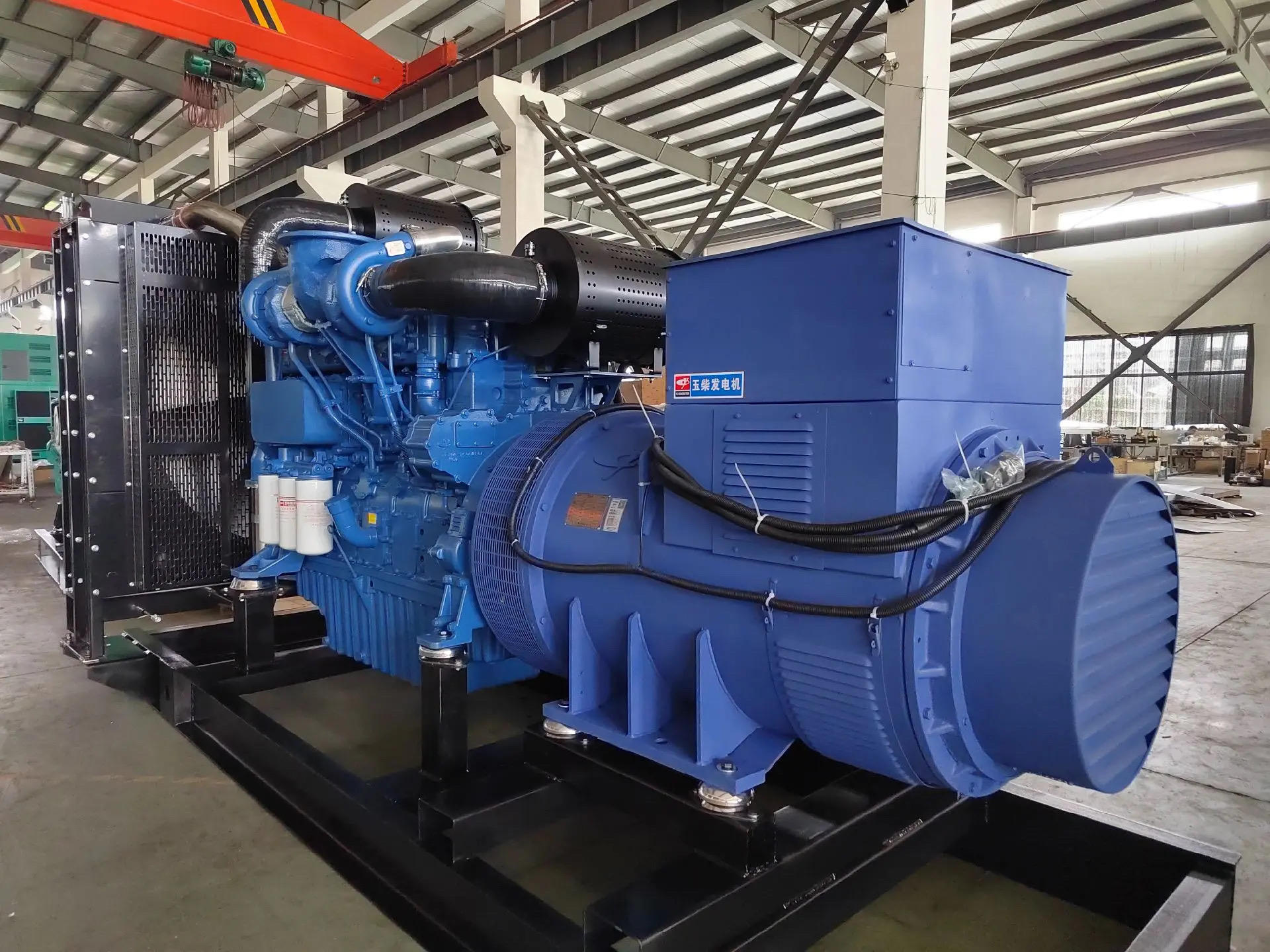
In practice
Importers should check nameplate information before shipment photos are approved. The same values should appear consistently across the invoice, packing list, test report, manual, and controller or alternator records where applicable.
| Nameplate field | What to verify | Common mismatch |
|---|---|---|
| Power rating | kW and kVA with power factor | Only one unit shown or wrong conversion |
| Voltage/frequency | Project voltage, phase, and 50Hz or 60Hz | Domestic standard copied into export order |
| Duty rating | Standby, prime, or other agreed rating | Quotation and test report use different wording |
| Serial data | Generator, engine, alternator, and controller records | Missing serial numbers in service documents |
Specification points to confirm
- Request clear nameplate photos before shipment release.
- Compare the nameplate with the signed quotation and technical datasheet.
- Confirm frequency and voltage for the destination electrical system.
- Check whether engine and alternator model information is included in the document package.
- Keep the factory test report and wiring diagram with the project file.
Common mistakes to avoid
- Approving shipment photos without checking voltage and frequency.
- Using kVA in one document and kW in another without power factor clarity.
- Missing serial numbers needed for later spare parts inquiries.
- Treating nameplate wording as cosmetic instead of part of import documentation.
Before requesting a quotation
Ask the supplier to separate the generator set scope from the site installation scope. The generator quotation can normally define the set, enclosure or frame, control panel, breaker, radiator arrangement, silencer, batteries, drawings, and test documents. Civil works, fuel piping, exhaust duct routing, cables, and local approval items should be checked with the site contractor unless they are explicitly included.
- Required nameplate language and project reference if needed.
- Voltage, phase, frequency, duty rating, and power factor.
- Document list needed for customs, consultant review, or owner handover.
- Whether pre-shipment photos and factory test records are required.
- Importer contact details for document consistency.
Related products and technical notes
Related generator examples can be reviewed on <a href="https://www.tesladieselgeneratorset.com/products/factory-sale-1400kw-alternator-generator-1750kva-diesel-genset-for-cummins-engine-ktas0-gs8-multiple-voltage-ats-230v-240v-480v/">this diesel generator product page</a>. Purchasers comparing project requirements can also read <a href="https://www.tesladieselgeneratorset.com/generator-room-ventilation-diesel-generator-rfq-checks/">this technical note</a> before sending the final RFQ.
Questions purchasers often ask
Why do kW and kVA both appear on generator documents?
kW describes real power and kVA describes apparent power. The relationship depends on power factor, commonly 0.8 for many generator set quotations.
When should nameplate photos be checked?
They should be checked before shipment release, while corrections are still practical.
Does the nameplate replace a test report?
No. The nameplate identifies the set, while the test report records factory test conditions and results. Buyers should keep both.
What if the project requires 60Hz?
State 60Hz in the RFQ and confirm it appears consistently in the quotation, controller setup, nameplate, and test documents.
The rating on the plate is what sets the customs code, which is why HS code 8502 classification and duty rates belongs in the same review.