
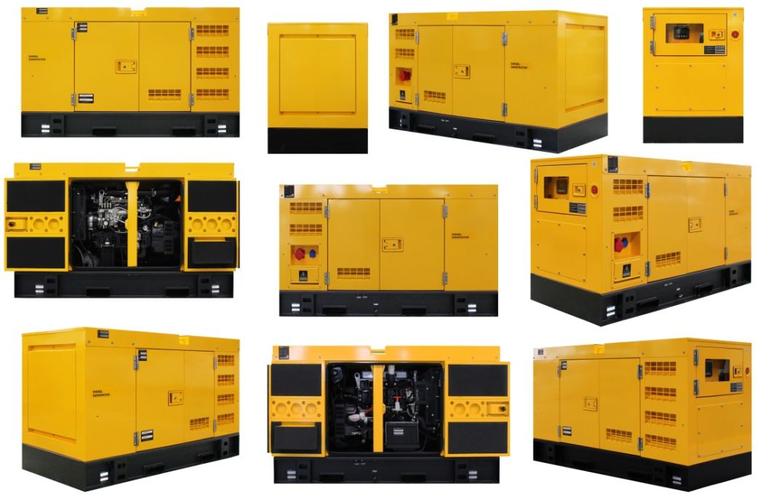
A diesel generator rating is not only a number on a brochure. High altitude, high ambient temperature, and restricted airflow can change the usable output or require a different cooling arrangement.
What buyers should know first
Buyers should send site altitude and maximum ambient temperature before confirming kW or kVA. The supplier can then check whether the selected diesel generator set rating needs review for the project conditions.
In practice
For mining, construction, remote industrial, and export projects, Yangzhou Tesla Power Equipment Co., Ltd. can review the site conditions against the proposed generator package, but final project approval should follow the engine and alternator data used for that quotation.
| Item to confirm | Why it matters | What to send with the RFQ |
|---|---|---|
| Site altitude | Air density affects engine combustion and cooling | Meters above sea level for the installation site |
| Ambient temperature | High temperature can reduce cooling margin | Maximum expected temperature and indoor or outdoor installation |
| Airflow restriction | Can add pressure loss around radiator and louvers | Room layout, canopy type, ducting, and louver details |
Before requesting a quotation
Share the load list, voltage and frequency, installation location, duty rating, enclosure requirement, control interface, and any consultant drawings. Yangzhou Tesla Power Equipment Co., Ltd. can then check the diesel generator set scope against the project assumptions instead of quoting from a single kW or kVA number.
- Do not compare generator offers without checking the site altitude basis.
- State whether the set will run in prime, standby, or emergency duty.
- Send room ventilation or canopy requirements together with ambient data.
- Ask for the rated output basis used in the quotation documents.
Related product and project pages
For a matching equipment reference, review <a href="https://www.tesladieselgeneratorset.com/products/factory-discount-price-800kw-1000kva-diesel-generator-for-cummins-engine-kta38-g2b-ats-option-50-60hz-frequency-230v-240v-480v-r/">this diesel generator set product page</a>. For wider project planning, compare it with <a href="https://www.tesladieselgeneratorset.com/diesel-generator-fuel-return-line-checks-day-tank-installations/">this technical guide</a> before sending the RFQ.
Common questions
Does altitude always reduce diesel generator output?
Not always at low elevations, but higher sites should be checked against engine and alternator data.
Is high ambient temperature only a radiator issue?
No. It can also affect engine rating, alternator temperature rise, and room ventilation design.
Can a larger generator solve derating concerns?
Sometimes, but the cooling path, airflow, and duty rating should be reviewed before increasing size.
What site data should be sent first?
Send altitude, maximum ambient temperature, duty rating, voltage, frequency, room or canopy layout, and load list.