

Bleeding a Perkins diesel generator is a critical maintenance task for optimal performance. Whether you are a seasoned technician or a new user, knowing the procedure for bleeding your diesel generator can save you time and prevent engine issues. Here’s a comprehensive guide that will ensure you do it safely and efficiently.
—
Preparing for the Bleeding Process
What buyers should confirm first
Can You Safely Bleed a Perkins Diesel Generator should be evaluated against the real load profile, voltage and frequency standard, duty rating, enclosure requirement, and installation environment before the order is confirmed.
Before requesting a quotation
- Confirm standby or prime duty and the expected running hours.
- Match site voltage, phase, and 50Hz or 60Hz requirement with the destination equipment.
- Check whether ATS, canopy, fuel tank, trailer, or remote monitoring are part of the same quote.
- Ask for the exact engine model, alternator model, controller type, and factory test scope.
Documents worth requesting
- Rated power table with standby and prime values clearly separated.
- Dimension and weight information for shipping, foundation, and room layout checks.
- Wiring diagram or ATS scope when the package includes switching equipment.
- Factory test record, packing list, and after-sales contact route for export support.
Related product resources
Before you begin, ensure that you have all necessary tools at hand. You’ll need wrenches, a clean rag, a container to catch fuel, and safety equipment such as gloves and goggles. Safety should be your top priority, as working with a diesel generator involves flammable liquids and moving parts.
Identify the Fuel System Components Familiarize yourself with the Perkins diesel generator components, including the fuel filter, injector pump, and injectors. Understanding their location and function is crucial for a smooth bleeding process.
—
Step-by-Step Bleeding Guide
1. Turn off the Engine Always start by shutting down the generator. Never attempt to bleed a diesel generator with the engine running, as this can be dangerous.
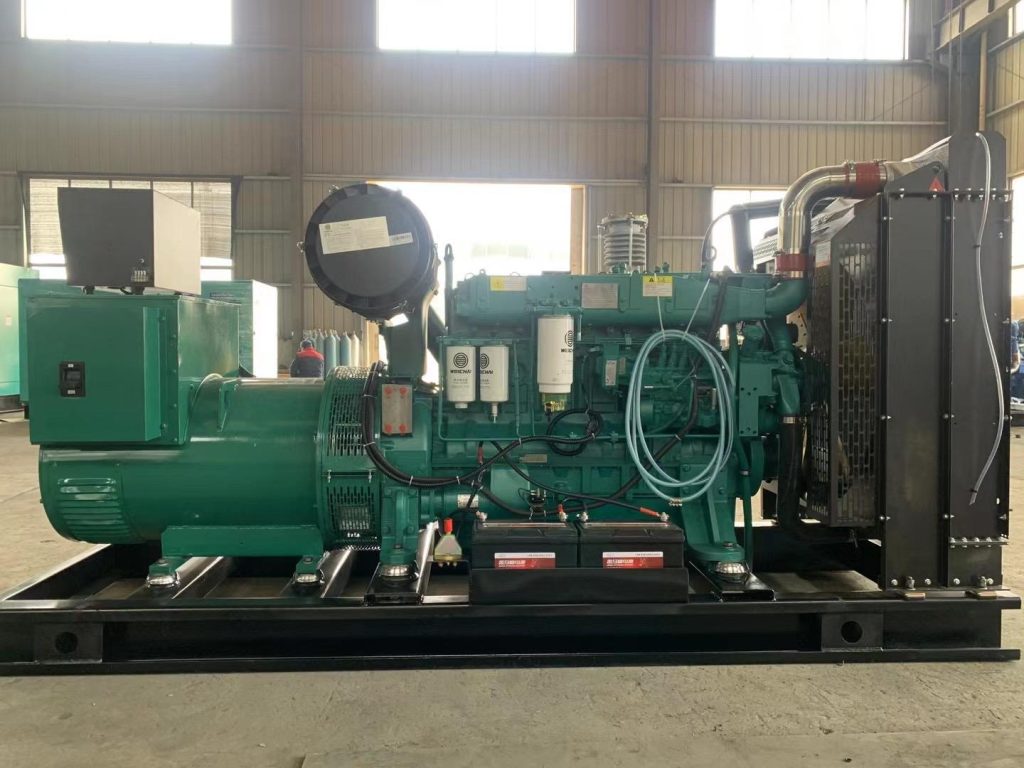
2. Locate the Bleed Points Check your Perkins manual to find specific bleed points. Typically, you will find bleed screws near the fuel filter and injector pump.
3. Open the Fuel Valve This allows air to escape while bleeding. Make sure your container is in place to catch any