
A Cummins DG set rating is the declared duty a set can hold: COP for continuous load, PRP for prime, LTP for 500 hours a year, ESP for standby only.
Key takeaways
The four ISO 8528-1 ratings are not marketing tiers, they are different duty contracts. A set sold as ESP cannot carry a prime load, and a set sold as PRP carries a 10% overload for one hour in twelve. Tesla Power quotes the rating on the data sheet line, not in the brochure text.
- COP allows unlimited hours at a constant load; PRP allows variable load plus 10% overload.
- LTP is capped at 500 hours a year; ESP allows no overload at all.
- The set rating sits below the engine rating because fan and charging losses are subtracted.
- A 400 kW set at 0.8 pf is 500 kVA, and both numbers must appear on the quotation.
- Our generator selection notes cover sizing, derating and site conditions in more depth.
Table of contents
- What does a Cummins DG set rating actually declare?
- How do COP, PRP, LTP and ESP differ?
- Why is the set rating lower than the engine rating?
- Worked example: 400 kW at 0.8 pf across a 500-hour year
- What does altitude and temperature do to the rating?
- How do you confirm the rating on a quotation?
- Which rating fits standby, prime and data centre duty?
- Frequently asked questions
What does a Cummins DG set rating actually declare?
A Cummins DG set rating declares two things at once: the electrical output the alternator will hold, and the duty cycle the engine is allowed to run at that output. ISO 8528-1:2018 fixes the four duty definitions that both halves of that statement refer to, and the ISO 8528-1 rating definitions are what a buyer should read before comparing two quotations. The output figure alone says nothing about duty, which is why two sets rated at 400 kW can be priced very differently and neither quotation is wrong.
The rating is measured at stated reference conditions, not at whatever the site happens to be. Standard reference conditions for engine performance come from ISO 3046-1: 25 °C ambient, 100 kPa barometric pressure and 30% relative humidity, as set out in the ISO 3046-1 standard reference conditions. A set rated 400 kW at those conditions delivers less at 1,600 m and 40 °C, and Tesla Power states the derated figure from the model curve rather than from a single percentage. The load that figure has to meet is rarely a single number, so the load profile checks for mixed facility loads belong in the same review.
How do COP, PRP, LTP and ESP differ?
COP, PRP, LTP and ESP differ in the hours allowed and in whether overload is permitted, and those two variables decide almost every other difference between them. COP is continuous power at a constant load for unlimited hours. PRP is prime power for variable load, with a 10% overload available for one hour in every twelve. LTP is limited-time power capped at 500 hours a year. ESP is emergency standby power with no overload allowance at all.
| Rating | Duty | Hours allowed | Overload | Typical application |
|---|---|---|---|---|
| COP | Continuous, constant load | Unlimited | None | Base load, off-grid plant |
| PRP | Prime, variable load | Unlimited | 10% for 1 h in 12 h | Primary power where the grid is weak |
| LTP | Limited time | 500 h per year | None | Peak lopping, seasonal load |
| ESP | Emergency standby | Outage duration only | None | Hospital, data centre, utility backup |
The table is the whole commercial argument in four rows. A buyer who needs 4,000 running hours a year is buying COP or PRP, and the set will be larger, heavier and more expensive than the same nameplate figure sold as ESP. A buyer who needs 40 hours of outage cover a year is buying ESP, and paying for a PRP rating at that duty is money spent on capability that will never be used.
Why is the set rating lower than the engine rating?
The set rating is lower than the engine rating because the engine drives its own cooling fan, the charging alternator and the air cleaner before any power reaches the alternator terminals. Those parasitic loads are subtracted, and the difference is typically between 5% and 10% of gross engine output depending on cooling arrangement. A set with a remote radiator gives some of that back, because the fan is no longer on the engine.
This is why an engine model number and a set rating cannot be compared directly across suppliers. One packager may publish the gross engine figure as a headline, while another publishes the net set rating at the alternator terminals. Tesla Power lists the net set rating and the engine model on the same data sheet line, so the two figures can be checked against each other instead of being read as competing claims.
Worked example: 400 kW at 0.8 pf across a 500-hour year
Take a 400 kW PRP set running at 0.8 pf, which is 500 kVA of apparent power, and follow the rating through one year of duty. The 10% PRP overload allowance is 440 kW for one hour in twelve, and that hour is the only time the set is permitted above 400 kW. At an average 60% load over 500 running hours the set delivers 240 kW, or 120,000 kWh across the year. At 0.25 L/kWh that is 30,000 litres of diesel for the year, and the arithmetic is 400 × 0.6 × 500 = 120,000 kWh, then 120,000 × 0.25 = 30,000 L.
The same set sold as ESP would have no overload allowance, so the 440 kW hour would be outside its rating. That is not a technicality: a set run repeatedly above its declared duty accumulates exhaust and combustion problems that surface as warranty disputes rather than as a clean failure. Ask which rating the price refers to before comparing two figures that look alike.
What does altitude and temperature do to the rating?
Altitude and temperature reduce the rating because thinner, hotter intake air carries less oxygen into the same cylinder volume. Manufacturers publish a derating curve per model, and the curve is the only figure worth quoting; planning allowances of roughly 4% per 500 m of altitude and 1.5% per 5 °C above 25 °C are commonly used to size before the curve is available. Those allowances are approximations for early planning, not a substitute for the model curve.
The two effects compound rather than add in a simple way, which is where most site-level errors come from. A site at 1,600 m with a 40 °C summer needs the altitude factor and the temperature factor applied together, and the resulting figure must then be compared with the load rather than with the nameplate. Tesla Power asks for site altitude, maximum ambient and whether the radiator is set-mounted or remote before a rating is confirmed, because all three change the answer.
How do you confirm the rating on a quotation?
Confirm the rating in four steps: read which ISO 8528-1 tier the price refers to, read the reference conditions, check the net set rating against the engine model, then apply the site derating. A quotation that answers all four can be compared with another; one that answers two cannot.
Step one. Find the rating word in the price line, not in the marketing paragraph. ESP, PRP, LTP and COP are the only four that mean anything, and a quotation that says only “rated power” has not told you which duty it is selling.
Step two. Check the reference conditions. A figure stated at 25 °C and 100 kPa is the standard case, and a figure stated at site conditions has already been derated, so the two are not comparable without adjustment.
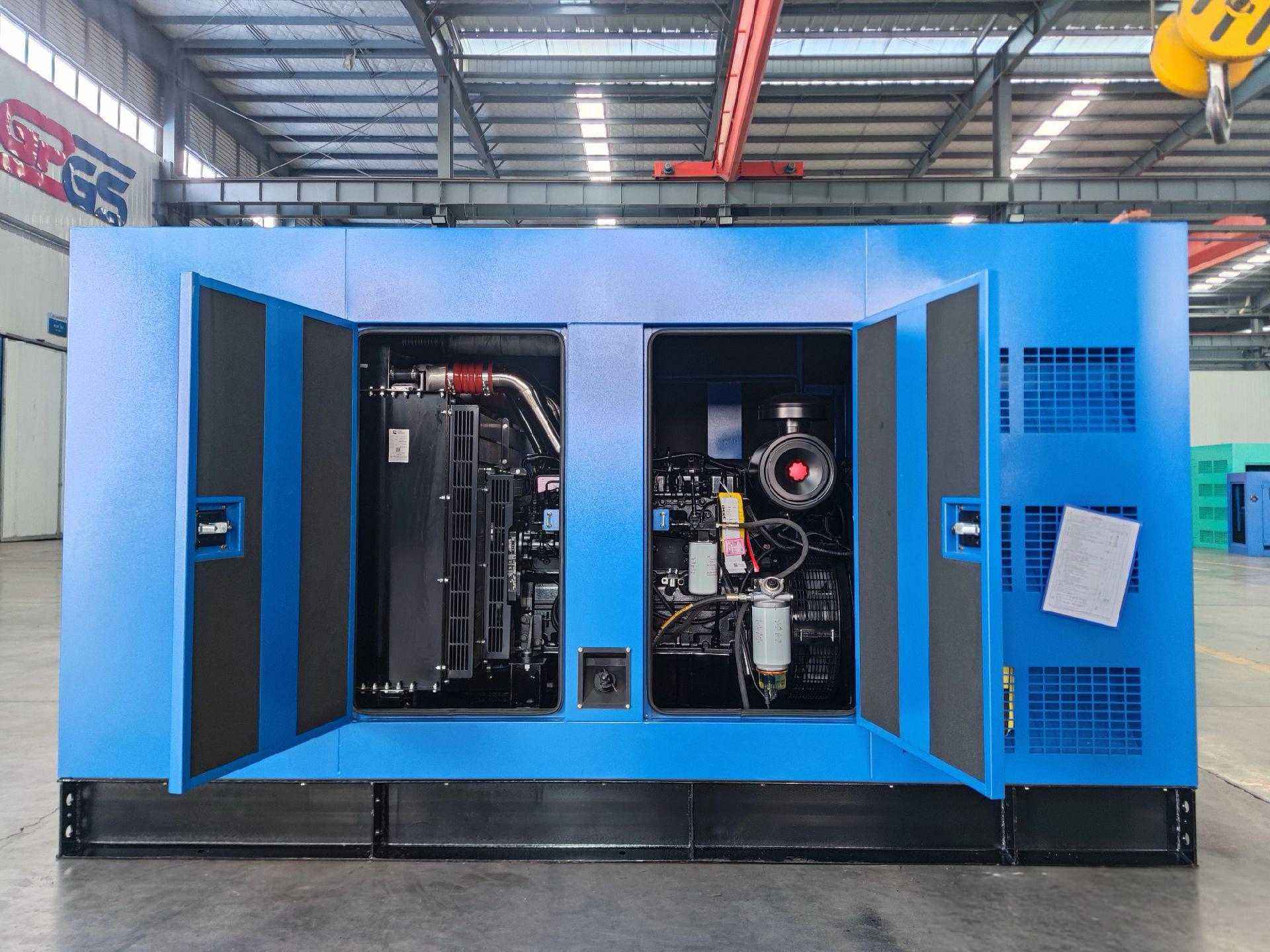
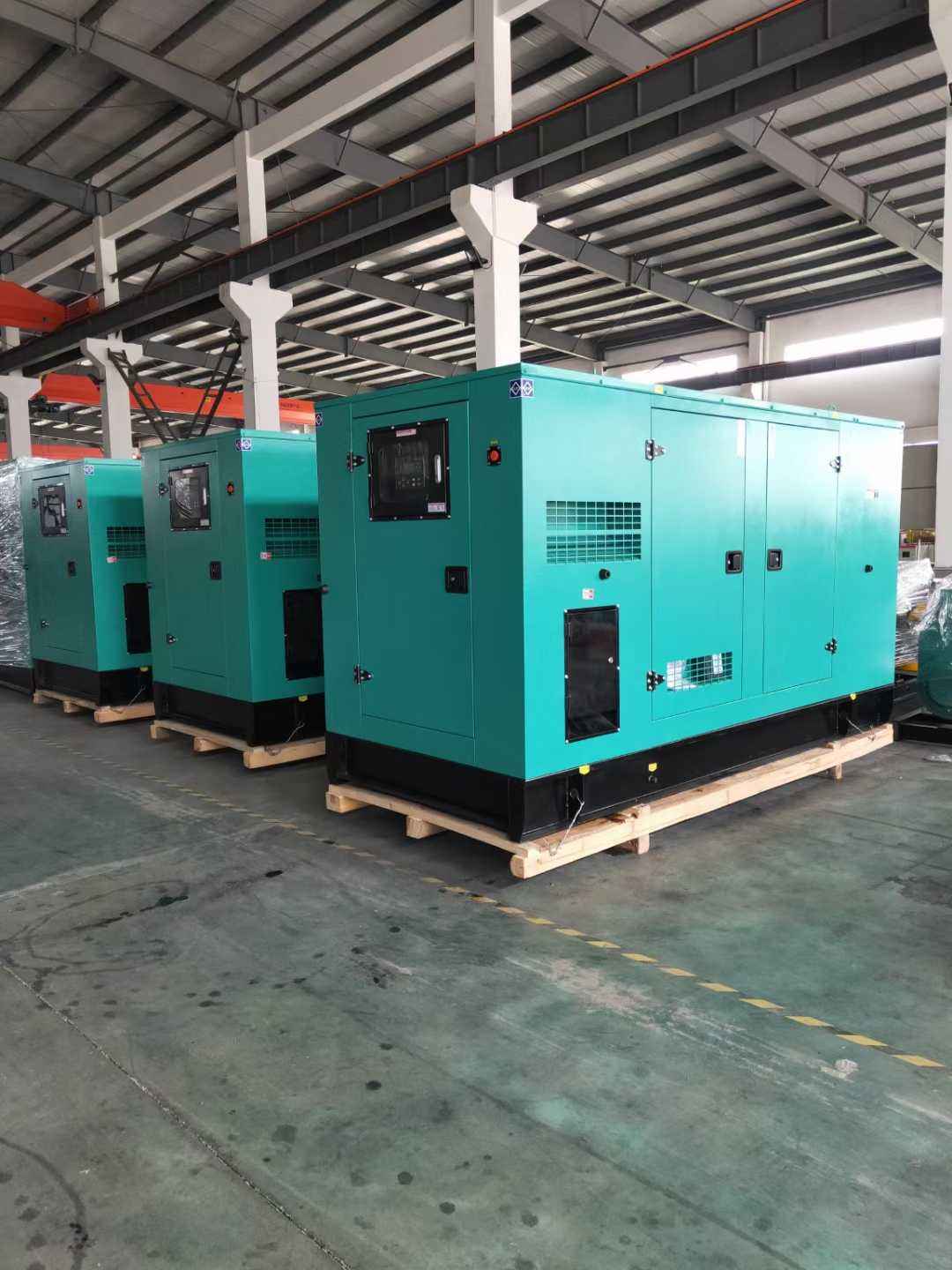
Step three. Match the set rating to a real product page for that duty. A prime-rated set built for continuous duty is specified differently from a standby set of the same output, and the 400 kW trailer-mounted set for emergency power is a standby build rather than a prime one. Where the load is genuinely continuous, a 500 kW container set for continuous duty is the correct starting point instead.
Step four. Apply the site derating and compare the result with the load, not with the nameplate. The difference between the two comparisons is where over-specified and under-specified projects both come from. The altitude and temperature derating checks set out the arithmetic for the site side of this question, and Tesla Power runs the same arithmetic on the quotation so the two figures arrive together.
Which rating fits standby, prime and data centre duty?
Standby duty fits ESP, prime duty fits PRP, and data centre duty usually fits ESP with a documented load profile behind it. The choice is driven by running hours and by what happens to the load when the set is carrying it, not by the size of the building it sits in.
A hospital with 200 hours of outage cover a year is an ESP application, and the prime versus standby rating comparison sets out where the boundary sits. A mine or a factory with no reliable grid is a PRP or COP application, and the set will run thousands of hours a year at variable load. A data centre is a special case: the load is steady and the hours are low, so ESP is the usual rating, but the set must still accept a step load that a building site never imposes. Tesla Power builds both duty types and does not treat them as interchangeable, because the cooling package and the alternator margin differ.
The rating also governs the maintenance interval, because a set running 4,000 hours a year reaches its service intervals twelve times faster than one running 300. The quotation carries the rating and the expected annual hours on the same line, so the service plan can be built from the duty rather than from the calendar.
Frequently asked questions
What is the difference between a Cummins DG set rating and an engine rating?
The set rating is measured at the alternator terminals and excludes fan, charging and intake losses, so it is lower than the gross engine rating by roughly 5% to 10%. The engine rating is a bare-engine figure. Compare set ratings with set ratings, and check the engine model as a second line of evidence. Tesla Power prints both figures on the same data sheet line for that reason.
Can a standby rated set be used for prime power?
No, not within its rating. An ESP set has no overload allowance and is intended for outage duration only, so continuous use at that figure exceeds the declared duty. A prime application needs a PRP or COP rating, which is a different build and usually a lower output for the same engine.
What does the 10% overload on a PRP rating allow?
One hour of 10% overload in every twelve hours of operation, which on a 400 kW set is 440 kW for that hour. The allowance exists to cover load swings, not to raise the continuous rating. Running at the overload figure for longer than the allowance moves the set outside its declared duty.
How many hours a year can an LTP rated set run?
500 hours a year under ISO 8528-1, with no overload allowance. LTP sits between PRP and ESP and suits peak lopping or seasonal load rather than either continuous duty or emergency standby. If the annual hours are unknown, size on PRP instead.
Does the rating change with altitude?
Yes. Output falls as altitude rises because intake air density falls, and the manufacturer’s derating curve for the specific model states how much. Planning allowances of about 4% per 500 m are used before the curve is available, and the curve replaces the allowance once the model is fixed.
Which rating applies to a data centre standby set?
ESP is the usual rating, because the hours are low and the load is steady. The constraint that separates a data centre from an office is load acceptance rather than running hours, so the step-load capability has to be confirmed against the UPS and IT load, not inferred from the rating alone.
Next step: fix the rating before the price
Rating is the one line on a generator quotation that changes every other line: it sets the engine, the alternator, the cooling package, the price and the maintenance plan. Decide the duty first, write the annual hours next to it, then compare prices between sets carrying the same rating. Send the duty, the site altitude, the maximum ambient and the load list to the Tesla Power export team through the contact page for a rating review, and the reply will state the ISO 8528-1 tier, the net set rating and the derated figure for the site together.