
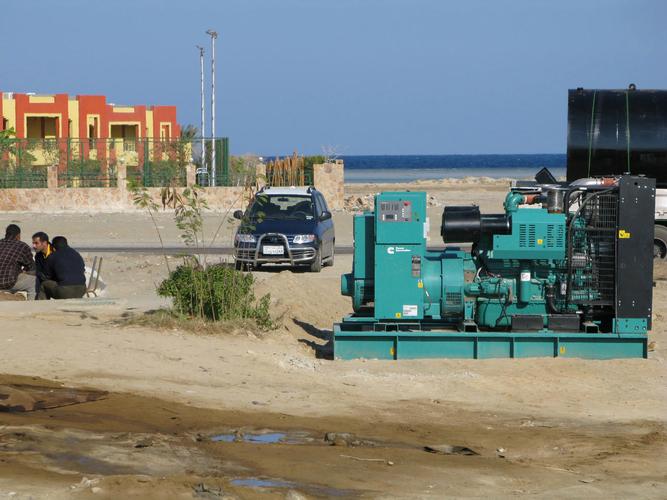
Generator runtime is not just a tank-size question. Buyers should confirm load percentage, daily running hours, refueling access, site temperature, base-tank limits, and documentation before requesting a diesel generator quotation.
What buyers should know first
Fuel capacity should be discussed after the project duty is clear. A standby generator for short outages, a mine camp running every day, and a factory prime-power set can need different tank arrangements even when the kVA rating is similar. The purchaser should ask the supplier to state the tank type, usable capacity assumptions, fuel connections, bunding or containment expectations, and any site responsibilities.
In practice
For many export projects, a base fuel tank is convenient for transport and installation, but it may not match every runtime target. Larger daily operation may require a separate tank, transfer pump, level controls, or local compliance review. Those items should be included in the RFQ instead of being treated as installation extras.
| Runtime question | Information to send | Quotation impact |
|---|---|---|
| Operating mode | Standby, prime, or continuous-style site use | Affects tank scope and service interval planning |
| Load percentage | Expected average load and peak load | Fuel use is tied to load, not nameplate kVA alone |
| Tank location | Base tank, separate tank, or customer-supplied tank | Changes frame, piping, controls, and site work |
| Refueling | Truck access, working hours, and safety limits | Determines whether extra runtime is practical on site |
What to confirm before quotation
- Ask for the fuel consumption basis used in the quotation instead of comparing tank volume alone.
- Confirm whether the quoted tank is a base tank, day tank, or separate bulk tank connection.
- Check if the site requires bunding, leak detection, fire separation, or local approval.
- Confirm fuel level display, alarms, drain point, and maintenance access.
- State whether the generator will run unattended and how often refueling is possible.
Common configuration mistakes
- Requesting a fixed number of hours without stating load percentage.
- Assuming a transport-friendly base tank will satisfy long prime-power runtime.
- Forgetting that canopy, container, and trailer layouts may limit tank space.
- Leaving fuel piping and transfer controls out of the commercial scope.
Useful internal references
Use product examples such as <a href="https://www.tesladieselgeneratorset.com/products/factory-discount-price-800kw-1000kva-diesel-generator-for-cummins-engine-kta38-g2b-ats-option-50-60hz-frequency-230v-240v-480v-r/">Cummins 800kW to 1000kVA generator package</a> and compare operating assumptions with <a href="https://www.tesladieselgeneratorset.com/factory-motor-load-diesel-generator-sizing-rfq/">factory load sizing notes</a> before setting a runtime requirement.
RFQ information to send
- Generator size, duty rating, and expected load range.
- Target runtime and whether it is required at 50 percent, 75 percent, or another load.
- Tank preference and any local containment rules.
- Site access limits for refueling and maintenance.
- Required drawings, fuel system diagram, and testing records.
Questions purchasers often ask
Can runtime be calculated from kVA alone?
No. Runtime depends on load, engine fuel consumption, usable tank volume, and operating conditions.
Is a base fuel tank enough for prime power?
It may be enough for short running periods, but long daily operation often needs a larger tank or external fuel arrangement.
Should the buyer request a fuel system drawing?
Yes. A drawing helps confirm pipe connections, tank location, drains, vents, and level controls before shipment.
Can runtime be changed after order approval?
Sometimes, but changes may affect the base frame, canopy, controls, and shipping dimensions, so it is better to define runtime early.