
What buyers should know first
A hospital standby diesel generator is not selected only by kW. Buyers must confirm critical load groups, start sequence, ATS logic, redundancy target, fuel autonomy, ventilation, noise control, and local electrical requirements before comparing quotations.
In practice
Hospital projects often require coordination between the electrical consultant, facility engineer, and generator supplier. A single-line diagram or load schedule helps avoid wrong ATS sizing and unstable start sequence planning.
Procurement checklist
- Confirm running load, starting load, voltage, phase, and frequency.
- State whether the generator is for standby duty, prime duty, or mixed project use.
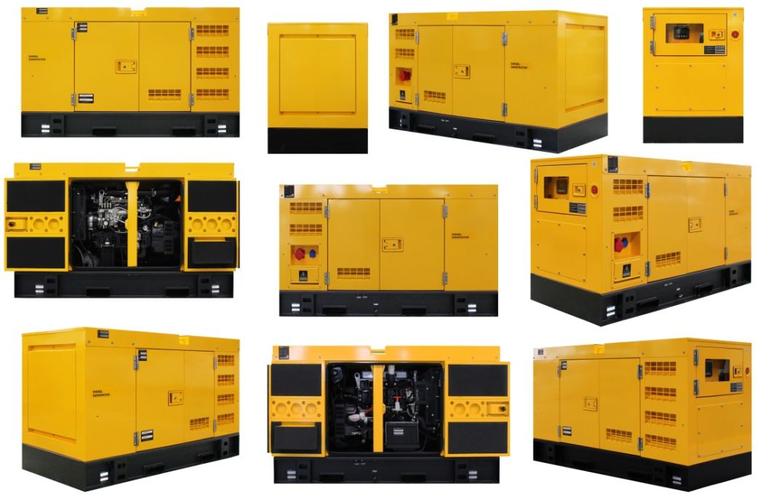
- Confirm silent canopy, open-frame, containerized structure, ATS, or manual transfer needs.
- Send altitude, ambient temperature, installation space, ventilation, and noise limits.
- Request datasheet, engine model, alternator model, controller details, drawings, and packing dimensions.
Common configuration mistakes
Many RFQ problems start when buyers compare only kW or kVA. Rating basis, motor starting demand, site condition, fuel autonomy, service access, and transfer equipment can change the correct configuration. For automatic emergency power, review sound proof generator sets with ATS option.
FAQ
What should be sent before asking for price?
Send the load list, voltage, phase, frequency, expected running hours, site condition, enclosure preference, and transfer requirement.
Is standby rating the same as prime rating?
No. Standby rating is for emergency backup. Prime rating is used when the generator carries variable load for longer operating periods.
Should ATS be included in every quotation?
ATS should be included when automatic utility-to-generator transfer is required. Manual or temporary systems may use different switching arrangements.
Can the supplier choose the final size from limited information?
A supplier can suggest a planning range, but final sizing should be checked against real load, starting current, site condition, and project engineer requirements.