
You’re standing in front of a diesel generator showroom, calculator in hand. The salesperson just quoted you a price—and it seems reasonable. But here’s the question that keeps most facility managers up at night: what’s this thing actually going to cost me to run?
That sticker price? It’s just the beginning. The real financial story unfolds over months and years of operation, measured in fuel gallons, oil changes, and those 2 a.m. service calls. Whether you’re powering a hospital during blackouts, keeping a data center online, or running a construction site off-grid, understanding the true operating cost of a diesel generator isn’t just smart—it’s essential for your bottom line.
Let’s cut through the marketing fluff and break down exactly what you’ll pay to keep that genset humming.
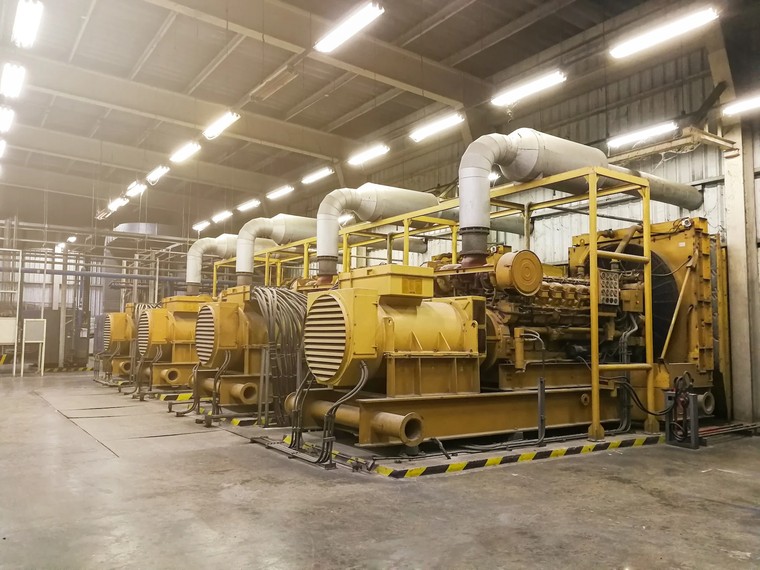
The True Cost Picture: More Than Just Fuel
When we talk about running costs for diesel generators, we’re really talking about three major buckets that eat into your budget:
Fuel costs sit at the top of the list—and for good reason. A typical industrial generator running at 75% load will burn through 0.5 to 0.7 gallons of diesel per hour for every 10 kW of output. That’s roughly 3.5 to 4.9 gallons per hour for a 100 kW unit. At today’s diesel prices (averaging $3.50 to $4.50 per gallon in most US regions), you’re looking at roughly $12 to $22 per hour just in fuel. Run that same generator for an 8-hour shift? You’ve just spent $96 to $176 on diesel alone.
Maintenance and service costs come next. Your Cummins generator isn’t a “set it and forget it” appliance. Oil changes every 200-300 hours, filter replacements, coolant flushes, and annual inspections all add up. Budget somewhere between $0.50 to $1.50 per operating hour for routine maintenance—and that doesn’t include major overhauls or unexpected repairs.
Wear and replacement parts round out the picture. Batteries die. Belts crack. Alternators wear out. Smart operators set aside another $0.25 to $0.75 per hour for long-term component replacement.
Add it all together? You’re typically spending $1.50 to $3.00 per hour in non-fuel costs, bringing your total operating expense to roughly $13.50 to $25 per hour for a mid-sized unit. Scale that up to a 500 kW emergency generator running for extended outages, and you can hit $100+ per hour in operating costs.
Poor load management, delayed maintenance, or using the wrong fuel grade can push costs 20-30% higher.
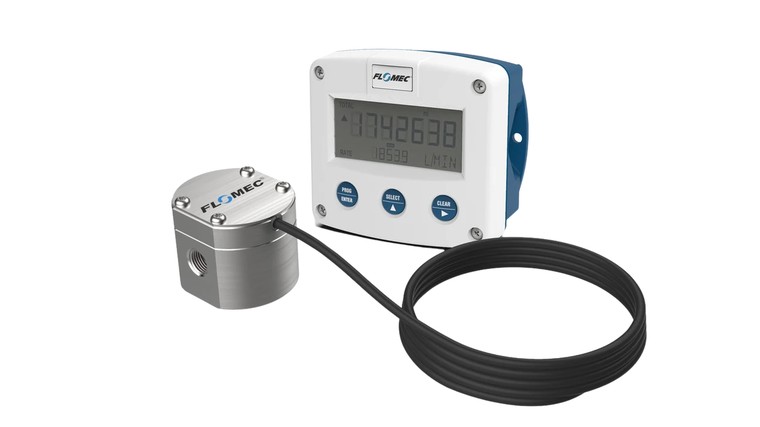
What Really Drives Your Fuel Bill
Fuel efficiency in diesel generators isn’t a fixed number—it’s a moving target influenced by how you actually use the machine. Understanding these variables can be the difference between a manageable fuel budget and a runaway expense.
Load Percentage: The Golden Zone
Your generator has a sweet spot, and it’s not where you’d think. Most diesel generators achieve peak fuel efficiency between 70-80% of their rated capacity. Why run a 100 kW unit at only 25 kW (25% load)? You’re burning roughly 40% more fuel per kWh produced than if you’d sized down to a 50 kW machine running at 50% load.
Why? Diesel engines operate most efficiently under moderate to heavy loads. At light loads, combustion becomes incomplete, you’re wasting heat, and the engine’s internal friction represents a much bigger percentage of total energy output. I’ve seen facilities overspend thousands annually simply because they bought a 200 kW unit “just to be safe” when their actual demand never exceeded 80 kW.
Size Matters (But Bigger Isn’t Always Better)
Manufacturers like Tesla Power and Cummins publish fuel consumption curves for their units—always request these before purchase. A properly sized standby generator will spend most of its runtime in that 70-80% efficiency zone. Oversizing by 100% might feel like insurance, but it’s expensive insurance that costs you money every single hour the unit runs.
Age and Condition: The Slow Creep
A brand-new Cummins diesel generator will sip fuel more carefully than a 10-year-old workhorse with 15,000 hours on the clock. Worn piston rings, carbon buildup, degraded fuel injectors, and tired turbochargers can quietly inflate fuel consumption by 10-20% over time. Regular maintenance slows this process, but it doesn’t stop it entirely.
Environmental Factors Nobody Talks About
Altitude steals power. For every 1,000 feet above sea level, naturally aspirated diesel engines lose about 3% of their power output—and turbocharged engines aren’t immune either. Operating a generator at 5,000 feet? You’re looking at a 10-15% performance hit, which often translates to higher fuel consumption to meet the same load.
Temperature extremes matter too. Cold-weather operation below 32°F means longer warm-up cycles, thicker oil creating more internal resistance, and fuel that doesn’t atomize as cleanly. Hot climates above 100°F reduce air density, again robbing power and efficiency. Neither scenario is catastrophic, but both nibble away at your fuel economy.
Prime Power vs. Standby Use
Here’s something many buyers miss: prime power operation (continuous running) and standby power operation (occasional use) have different cost profiles. A genset used for prime power—say, running a remote mining operation 24/7—will accumulate hours quickly but often runs closer to its optimal efficiency range consistently. A standby unit that fires up once a month for 30 minutes never reaches proper operating temperature and burns fuel less efficiently during those brief runs.
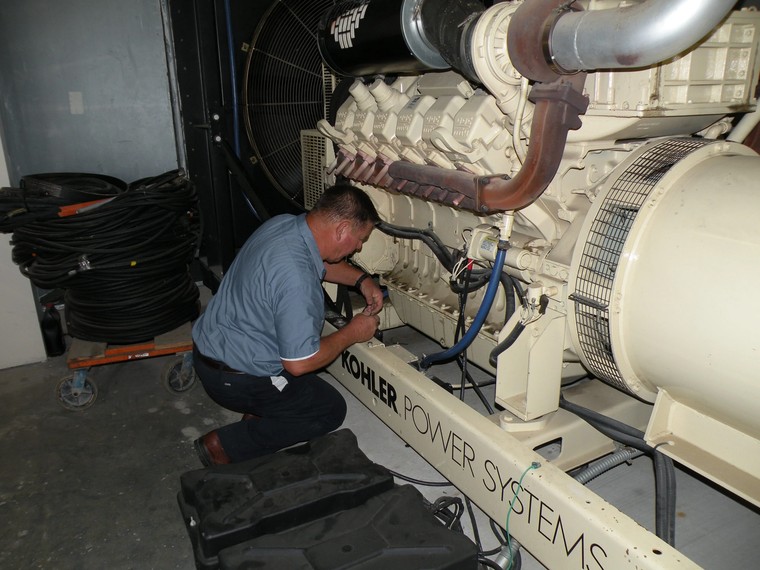
The Hidden Maintenance Tab
Generator maintenance isn’t optional—it’s the insurance policy that prevents a $500 oil change from turning into a $15,000 engine rebuild. Let’s break down what you’ll actually spend to keep your diesel generator healthy.
Routine Service: The Regular Rhythm
Every 200-300 operating hours (or annually, whichever comes first), expect these basics:
- Oil and filter changes: $150-$400 depending on unit size and oil capacity
- Air filter replacement: $50-$150
- Fuel filter service: $40-$100
- Coolant system inspection and top-off: $75-$200
- Battery testing and maintenance: $50-$100
- Visual inspection and testing: $150-$300 if you’re paying a technician
For a 100 kW Cummins generator running 500 hours annually, you’re looking at roughly $750-$1,500 in routine maintenance per year. That translates to about $1.50 to $3.00 per operating hour—the number I mentioned earlier.
The Mid-Life Services
Every 1,000-2,000 hours, things get more expensive:
- Valve adjustments: $400-$800
- Coolant flush and replacement: $200-$500
- Full fuel system cleaning: $300-$600
- Detailed load bank testing: $500-$1,200
Major Overhauls: The Big Spend
Somewhere between 10,000 and 20,000 hours—or 10-15 years for most standby units—you’ll face a major overhaul. Piston rings, bearings, seals, possibly cylinder work. Budget $8,000 to $25,000 depending on generator size and what needs attention. Spread that over the unit’s lifetime, and it adds another $0.50 to $1.25 per hour to your total cost of ownership.
The DIY vs. Professional Question
Can you handle basic maintenance in-house? If you’ve got skilled technicians on staff, absolutely. Oil changes, filter swaps, and routine inspections are straightforward. But here’s where facility managers get themselves in trouble: skipping annual professional inspections to save $500-$800, only to miss a developing issue that leads to a catastrophic failure during an actual power outage.
Tesla Power and other reputable manufacturers offer service contracts ranging from $1,200 to $5,000 annually depending on unit size and coverage level. For critical applications—hospitals, data centers, water treatment facilities—these contracts often pay for themselves by catching problems early and guaranteeing response times.
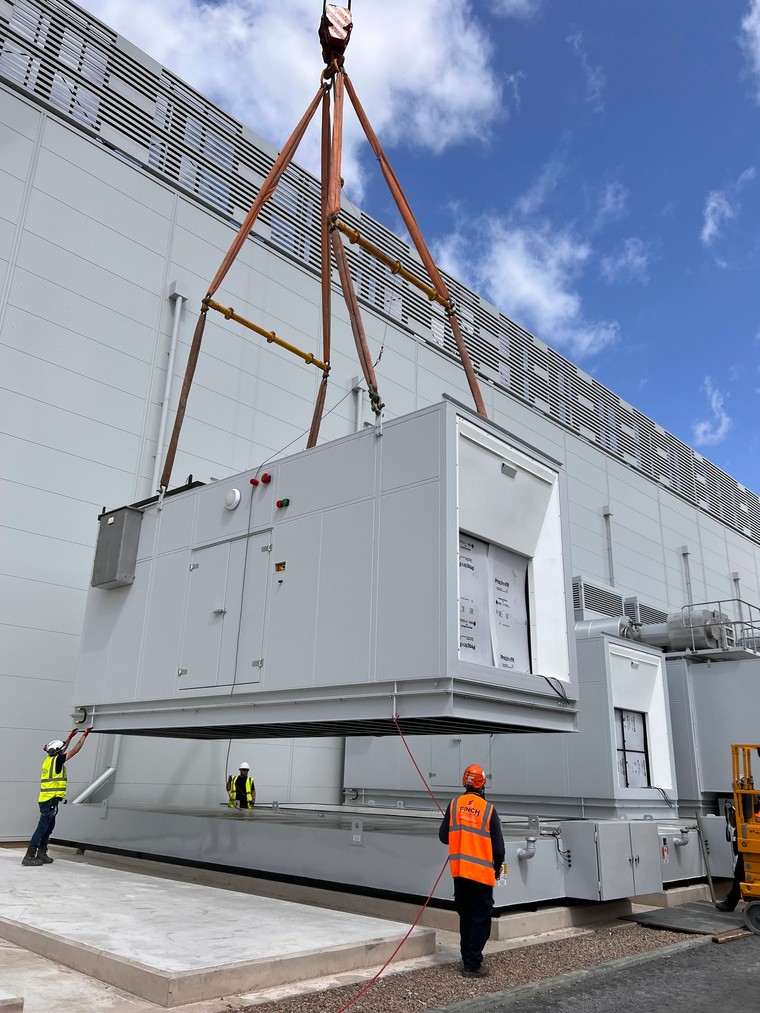
What Does This Look Like in Real Scenarios?
Numbers in the abstract don’t mean much. Let’s walk through three actual use cases that show what diesel generator operation really costs.
Scenario 1: Small Business Backup (20 kW Unit)
A small manufacturing shop in Ohio runs a 20 kW standby generator for backup power. They test it monthly for 30 minutes and experience about 3 power outages annually, averaging 4 hours each.
Annual usage: (12 months × 0.5 hours) + (3 outages × 4 hours) = 18 hours
Fuel costs: 18 hours × 1.4 gallons/hour × $4.00/gallon = $100.80
Maintenance: Annual service at $350 = $19.44 per hour
Total annual operating cost: Roughly $450, or $25 per operating hour
Their real eye-opener? They almost bought a 50 kW unit “to be safe.” At light loads, that oversized unit would have burned 30-40% more fuel and cost an extra $150-$200 annually for no benefit.
Scenario 2: Data Center Redundancy (500 kW Unit)
A regional data center operates two 500 kW Cummins diesel generators in N+1 configuration. They run monthly tests (4 hours each) plus occasional utility transfer tests, totaling about 60 hours per unit annually. They also experienced one 28-hour outage this year during a severe storm.
Annual usage per unit: ~88 hours
Fuel costs per unit: 88 hours × 35 gallons/hour × $3.75/gallon = $11,550
Maintenance per unit: Quarterly inspections ($400 each) + annual service ($2,800) + mid-cycle service ($1,200) = $4,600
Total per unit: $16,150 annually, or $183 per operating hour
Both units: $32,300 annually
Their CFO wasn’t thrilled about the expense—until the facility manager calculated that the 28-hour outage would have cost the company approximately $840,000 in downtime, service credits, and lost business. Suddenly $32,300 looked like the bargain of the century.
Scenario 3: Construction Site (150 kW Prime Power)
A remote construction project in Nevada runs a 150 kW diesel generator as its primary power source since grid connection isn’t available. The generator operates 10 hours daily, 6 days per week, for 8 months.
Annual usage: 10 hours/day × 6 days/week × 35 weeks = 2,100 hours
Fuel costs: 2,100 hours × 10.5 gallons/hour × $4.25/gallon = $93,713
Maintenance: Oil changes every 250 hours (8 services at $350) + filters and inspections ($2,400) + mid-life service ($1,800) = $7,000
Total annual cost: $100,713, or $48 per operating hour
The construction company negotiated a bulk fuel contract that saved them $0.35 per gallon—which translated to $7,700 in annual savings. That single contract negotiation paid for two years of maintenance.
Smart Strategies to Cut Your Operating Costs
You can’t eliminate the cost of running a diesel generator, but you can absolutely optimize it. Here are the strategies that actually move the needle.
Right-Size From the Start
This is your single biggest cost lever. A properly sized unit running at 70-80% load will always beat an oversized unit limping along at 30% load. Work with your electrical engineer or a consultant to calculate your actual load capacity needs, including starting surge currents for motors and compressors. Add a reasonable safety margin (15-25%), but resist the urge to double your capacity “just because.”
Companies like Tesla Power offer load calculation services—use them. The few hundred dollars you spend on proper sizing analysis will save thousands in fuel over the generator’s lifetime.
Load Management and Power Factor Correction
If you’re stuck with an existing oversized generator, get strategic about load management. Can you sequence when equipment starts up? Can you consolidate operations during outages to run the generator at higher, more efficient loads?
Power factor correction equipment can also help. Poor power factor means your generator is working harder (and burning more fuel) to deliver the same useful work. Improving power factor from 0.75 to 0.95 can reduce fuel consumption by 8-12% in some applications.
Fuel Quality and Storage Matter
Cheap diesel isn’t a bargain if it’s contaminated or degraded. Water in fuel tanks, algae growth in stored diesel, and fuel degradation all hurt performance and can damage injectors. Budget for:
- Fuel testing annually ($100-$300)
- Fuel polishing every 2-3 years ($500-$1,500 depending on tank size)
- Fuel stabilizer additives ($50-$150 annually)
- Tank inspection and cleaning ($800-$2,000 every 5-7 years)
Clean fuel burns efficiently. Contaminated fuel costs you money in wasted consumption and potential repairs.
Maintenance: Don’t Skip, Don’t Delay
I know I sound like a broken record, but stick to the maintenance schedule. A $350 oil change prevents a $12,000 engine rebuild. Fresh air filters prevent carbon buildup that steals 5-8% of your fuel efficiency. Clean coolant prevents overheating that forces the engine to derate, burning more fuel to produce the same power.
Here’s the math: if poor maintenance inflates your fuel consumption by just 10%, and you’re running a 100 kW generator for 200 hours annually at $4/gallon diesel, that’s an extra $560 per year. Over 10 years? $5,600—enough to pay for every scheduled maintenance service twice over.
Consider Dual-Fuel or Bi-Fuel Options
For prime power applications with high runtime, explore natural gas or propane options. While diesel generators typically offer better efficiency and reliability, natural gas can be significantly cheaper in regions with low gas prices. Some Cummins generators and units from manufacturers like Tesla Power offer bi-fuel capability, running on diesel for starting and critical loads while using natural gas for the bulk of operation.
Monitor and Measure
You can’t optimize what you don’t measure. Modern generator controllers and remote monitoring systems track runtime, fuel consumption, load levels, and maintenance intervals. Review this data quarterly. Look for:
- Gradually increasing fuel consumption (signals maintenance needs)
- Persistent low-load operation (consider downsizing or load management)
- Frequent short-cycle starts (bad for the engine and fuel efficiency)
Some facilities have cut operating costs 15-20% simply by analyzing their usage data and making informed adjustments.
Frequently Asked Questions
How much diesel does a 100 kW generator use per hour?
A 100 kW diesel generator typically consumes 3.5 to 4.9 gallons per hour when running at 75% load (the optimal efficiency zone). At lighter loads—say 25-40%—fuel consumption per kWh produced actually increases due to inefficient combustion. At full 100% load, you might see 5.5 to 6.5 gallons per hour depending on engine design and environmental conditions.
Is it cheaper to run a diesel generator than pay for grid electricity?
Rarely, for standby applications. Grid electricity in most US regions costs $0.10 to $0.15 per kWh. Running a diesel generator typically costs $0.35 to $0.60 per kWh when you factor in fuel, maintenance, and equipment amortization. However, for off-grid sites or during extended outages where grid power isn’t available, diesel generation is essential regardless of cost. Prime power applications in remote locations might find diesel competitive if grid connection costs exceed $50,000-$100,000.
How often should I run my standby generator to keep it ready?
Monthly exercise runs of 30-60 minutes under at least 30% load are the industry standard. This keeps seals lubricated, burns off moisture, charges the battery, and reveals developing problems before an actual emergency. Some facilities with critical power needs run weekly 15-minute tests. Just be aware that frequent short-duration starts without reaching full operating temperature can actually accelerate wear and carbon buildup—so prioritize longer monthly runs over brief weekly starts.
What’s the expected lifespan of a diesel generator with proper maintenance?
A well-maintained standby diesel generator can last 20-30 years or 15,000-30,000 operating hours before requiring major rebuild or replacement. Prime power units running continuously typically see 10,000-15,000 hours before major overhaul. The key word is “well-maintained.”—skip oil changes, run on contaminated fuel, or operate at improper loads, and you can cut that lifespan in half. Brands like Tesla Power and Cummins offer industrial-grade units designed for 30+ year lifespans with proper care.
Can I reduce costs by using biodiesel or alternative fuels?
Maybe, but proceed carefully. Most modern diesel generators can handle B5 to B20 biodiesel blends (5-20% biodiesel, 80-95% petroleum diesel) without modifications. Biodiesel prices fluctuate but sometimes offer savings of $0.10 to $0.40 per gallon. However, biodiesel has shorter storage life, can grow algae more readily, and may require more frequent fuel filter changes. Always verify your manufacturer’s warranty covers the biodiesel blend percentage you’re considering—some warranties are void above B5 or B10.