
In the world of industrial power, understanding operational costs is just as critical as the initial purchase price. One of the most frequent questions we encounter from facility managers and business owners is regarding fuel efficiency. Specifically, how much fuel does a 100kVA diesel generator consume per hour? This isn’t just a technical trivia question; it is the backbone of your operational budget (OpEx) and determines the longevity of your backup power strategy.
When you are running a business, every drop of diesel counts. Whether you are powering a construction site, a data center, or a hospital, fuel consumption directly correlates to your bottom line. In this guide, we will break down the mathematics of consumption, the factors that influence efficiency, and how high-quality units like Tesla Power generators can optimize your fuel usage.
Understanding Diesel Generator Fuel Consumption
To accurately answer “how much,” we first need to define what we are measuring. Fuel consumption in diesel generator sets is typically measured in liters per hour (L/hr) or gallons per hour (GPH). However, this is not a static number. It fluctuates significantly based on the electrical load applied to the generator.
A 100kVA generator running at 100% capacity will guzzle significantly more fuel than one running at 25% capacity. Generally, a diesel engine is most efficient when running between 70% and 80% of its rated load. Running it too low (below 30%) can lead to “wet stacking,” while running it constantly at 100% increases wear and fuel burn.
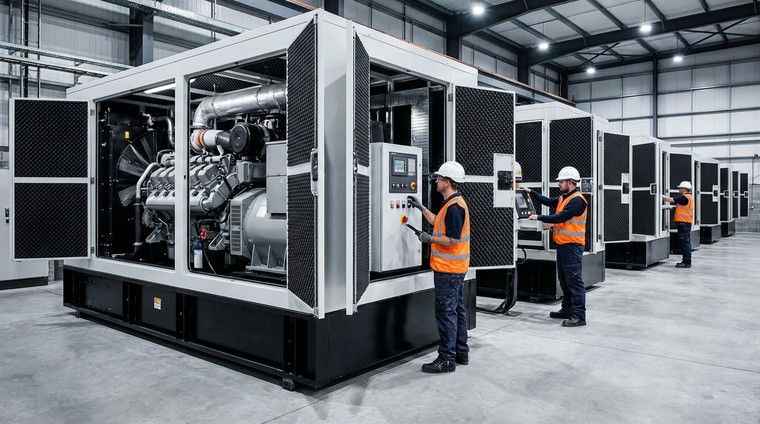
Estimated Consumption Rates for a 100kVA Unit
While every engine manufacturer (such as Perkins, Cummins, or Volvo) has slight variations, the industry averages for a 100kVA industrial diesel generator are fairly consistent. Here is a breakdown of what you can expect:
- 25% Load: Approximately 6.5 to 7.5 liters per hour.
- 50% Load: Approximately 11 to 13 liters per hour.
- 75% Load: Approximately 16 to 18 liters per hour.
- 100% Load: Approximately 21 to 24 liters per hour.
These figures emphasize why sizing is so important. If you buy a 100kVA generator but only need 20kVA of power, you are wasting fuel and potentially damaging the engine. Conversely, Tesla Power experts always recommend analyzing your peak load to ensure you are operating in that “sweet spot” of fuel efficiency.
Factors Influencing Fuel Efficiency
Why do two identical generators sometimes have different fuel bills? Several variables come into play beyond just the load percentage.
1. Engine Maintenance
A clogged air filter or dirty fuel injectors can drastically reduce fuel efficiency. Regular maintenance ensures the air-fuel mixture is optimal for combustion. Neglected engines have to work harder to produce the same amount of electricity, burning more diesel in the process.
2. Ambient Temperature and Altitude
Diesel engines love cool, dense air. If you are operating a backup power generator in extremely hot conditions or at high altitudes, the air density decreases. This forces the engine to burn more fuel to maintain the required RPM and power output.
3. Fuel Quality
Not all diesel is created equal. Contaminated fuel or fuel with a low cetane number can lead to incomplete combustion. Using high-quality diesel ensures that every liter is converted into maximum energy.
[Insert Image: A technician checking the fuel quality of a Tesla Power generator]
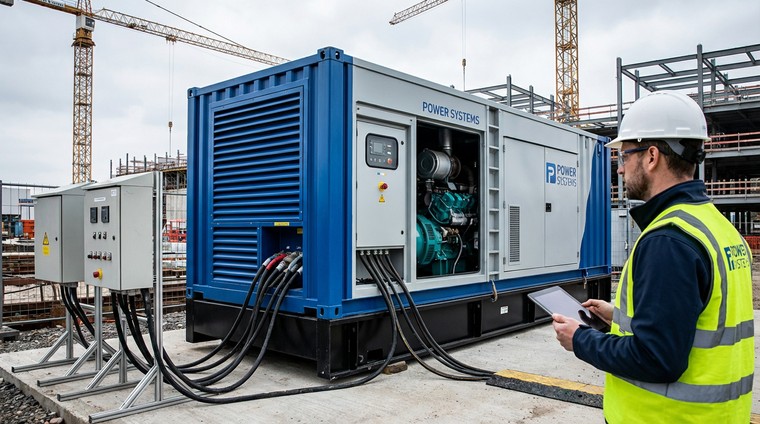
Tools to Monitor and Optimize Consumption
In the modern era, guessing your fuel usage is unnecessary. There are sophisticated tools available to help you track and manage this.
Fuel Level Sensors and Telemetry
Modern Tesla Power generators often come equipped with or can be fitted with smart monitoring systems. These remote monitoring tools track fuel levels in real-time and can alert you to sudden drops (indicating theft or leaks) or abnormal consumption patterns.
Load Bank Testing
Periodic load bank testing helps verify that your generator can handle its rated load and confirms that the fuel system is delivering the correct pressure and volume under stress.
How to Improve Your Generator’s Fuel Economy
If you find your operational costs are ballooning, consider these actionable steps to improve efficiency:
- Right-Sizing: Ensure your generator isn’t vastly oversized for your average load.
- Manage the Load: Try to balance your electrical usage so the generator runs at a steady 70-80% load rather than spiking and idling.
- Upgrade to Modern Engines: Newer Tier 4 Final engines are designed with advanced fuel injection systems that significantly reduce waste compared to older models.
- Trust the Brand: Utilizing reputable equipment from Tesla Power ensures you are starting with a high-efficiency baseline design.
By paying attention to these details, you transform your generator from a money-pit into a strategic asset that protects your business continuity without draining your bank account.
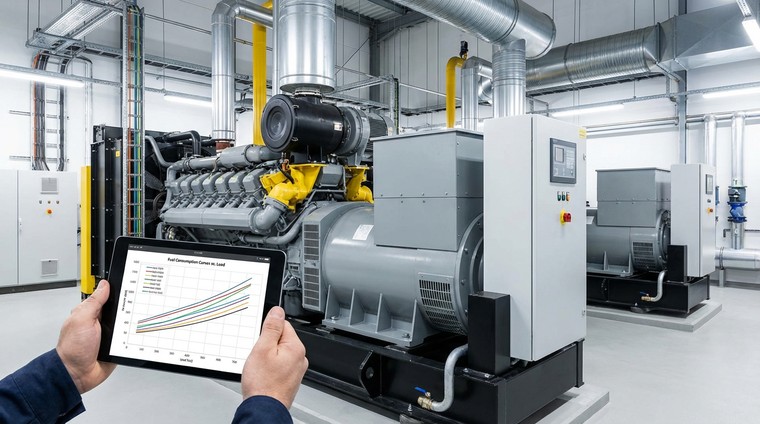
Frequently Asked Questions (FAQs)
1. Can I use heating oil instead of diesel in my generator?
While chemically similar, it is not recommended. Heating oil lacks the lubricants found in diesel fuel, which can damage the fuel injection pump and injectors of a modern diesel genset.
2. Does a generator use fuel when it is idling?
Yes, and idling is often the most inefficient state for a diesel engine. It consumes fuel without producing productive power and can lead to engine carbon buildup.
3. How big of a fuel tank do I need for a 100kVA generator?
This depends on your required runtime. If you need 24 hours of continuous running at 75% load (approx. 17 L/hr), you would need a tank capacity of at least 408 liters, plus a safety margin.
4. Will a Tesla Power generator save me money on fuel?
Tesla Power units are engineered with modern, high-efficiency engines and alternators designed to maximize power output per liter of fuel, often resulting in lower long-term operating costs compared to generic brands.
5. How does wet stacking affect fuel consumption?
Wet stacking occurs when an engine runs under light load. Unburned fuel accumulates in the exhaust system. This not only wastes fuel directly but causes engine damage that ruins future efficiency.