
When your business depends on uninterrupted power, selecting the right generator isn’t just about matching kilowatts to your electrical panel. It’s about understanding your actual load profile, planning for growth, and balancing upfront costs against long-term reliability. I’ve seen too many facility managers either overpay for excessive capacity or worse—experience costly downtime because they underestimated their needs.
Choosing a Yuchai industrial generator comes down to answering five critical questions: How much power do you really need? What type of loads will you run? How often will you use it? Where will it be installed? And what’s your total budget over the generator’s lifespan? Let’s walk through a practical framework that takes the guesswork out of generator selection.
Understanding Power Requirements: More Than Just Adding Up Watts
The most common mistake in diesel generator sizing is simply adding up the nameplates on your equipment and calling it a day. Real-world power demand is more complex.
Calculate Your True Load Profile
Start by categorizing your loads into three groups:
- Continuous loads: Equipment that runs constantly when power is needed (HVAC systems, lighting, computers, refrigeration)
- Intermittent loads: Machinery that cycles on and off (compressors, pumps)
- Starting loads: Motors and equipment with high inrush current when starting (elevators, large motors, welding equipment)
Your generator needs to handle not just the running watts, but also the starting surge. A 10 HP motor might only draw 7.5 kW when running, but it can demand 20-25 kW for 5-10 seconds during startup. This is where many businesses get caught short.
Pro tip from the field: Multiply your calculated load by 1.25 to account for future expansion and occasional peak demands. If your math says you need 80 kW, look at 100 kW units. This headroom prevents you from running at maximum capacity, which reduces engine wear and extends service life.
The Difference Between kW and kVA
Here’s a technical point that confuses many buyers: generator capacity is often listed in kVA (kilovolt-amperes) while your loads are measured in kW (kilowatts). The relationship depends on your power factor—typically 0.8 for most industrial equipment.
To convert: kW = kVA × power factor
So a 100 kVA generator with a 0.8 power factor delivers 80 kW of usable power. Always confirm which rating your supplier is quoting. Tesla Power and other reputable manufacturers clearly specify both ratings, but not all suppliers are as transparent.
Evaluating Yuchai Engine Options for Your Application
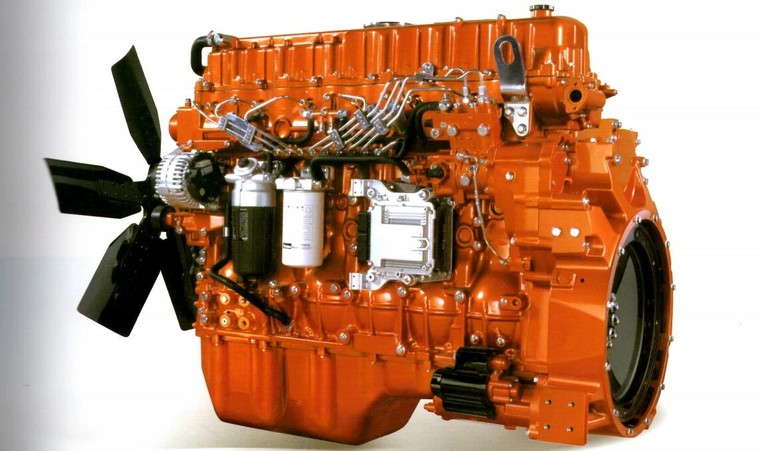
Yuchai has been manufacturing diesel engines since 1951, and their generator engine lineup covers an impressive range from 20 kW to 3000 kW. Not all engines are created equal, though.
Matching Engine Series to Duty Cycle
Your usage pattern determines which engine series makes sense:
Light-duty standby (under 200 hours/year): If you’re mainly concerned about occasional power outages, Yuchai’s YC4D and YC6B series offer excellent value. These engines handle emergency backup duty reliably without the premium cost of continuous-duty specifications.
Regular use (200-500 hours/year): For businesses that experience frequent outages or run regular load tests, consider the YC6A or YC6MK series. These mid-range engines balance durability with reasonable fuel consumption.
Prime power or continuous duty (500+ hours/year): Manufacturing facilities, remote sites, or operations using generators as primary power need the YC6T, YC6TD, or YC12VC series. These heavy-duty engines are built for sustained operation with robust cooling systems and reinforced components.
I once consulted for a food processing plant that chose a light-duty standby generator to save $8,000 upfront. When their local grid proved unreliable and they ran 40+ hours monthly, they faced a major rebuild at 2,000 hours—barely two years in. The “savings” cost them three times over in repairs and production losses.
Fuel Efficiency Considerations
Generator fuel consumption optimization directly impacts your operating costs over time. Yuchai engines are known for competitive fuel efficiency, typically consuming 0.20-0.25 liters per kWh at 75-80% load—the optimal efficiency range.
Running a generator at very light loads (under 30%) actually wastes fuel and can cause wet stacking—unburned fuel residue that damages engines over time. This is why proper sizing matters: you want your typical load to fall in that 50-80% range where engines run cleanest and most efficiently.
Evaluating Generator Configuration and Features
Once you’ve selected the appropriate engine, you need to choose the right generator configuration for your installation.
Open Frame vs. Soundproof Enclosure
This decision typically comes down to installation location and noise regulations:
Open frame generators cost 20-30% less and offer easier maintenance access. They’re ideal for dedicated generator rooms with adequate ventilation and where noise isn’t a concern. Most industrial installations use open frame units.
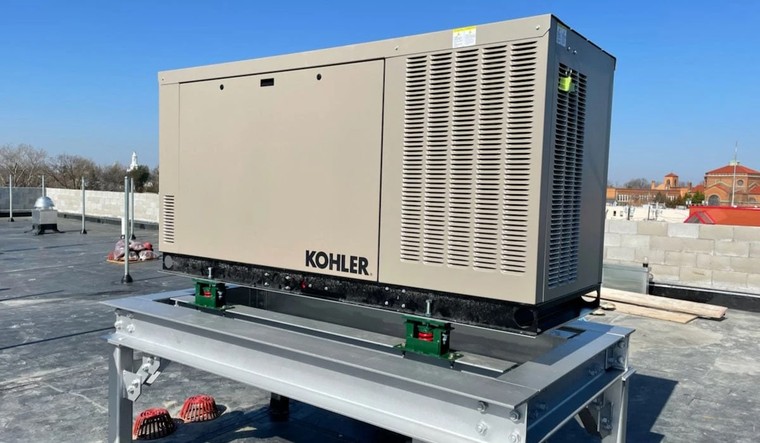
Soundproof (canopied) generators add weatherproof enclosures with acoustic insulation, reducing noise by 10-15 dB(A). Essential for outdoor installations, urban locations with noise ordinances, or sites near residential areas. Tesla Power manufactures both configurations with their Yuchai-powered units, properly matching enclosure size to engine cooling requirements.
Critical Features for Industrial Applications
Don’t overlook these specifications when comparing models:
- Alternator quality: Brands like Stamford, Leroy Somer, or Marathon indicate serious engineering. Cheaper alternators may save $1,000 upfront but cause voltage regulation problems that damage sensitive equipment.
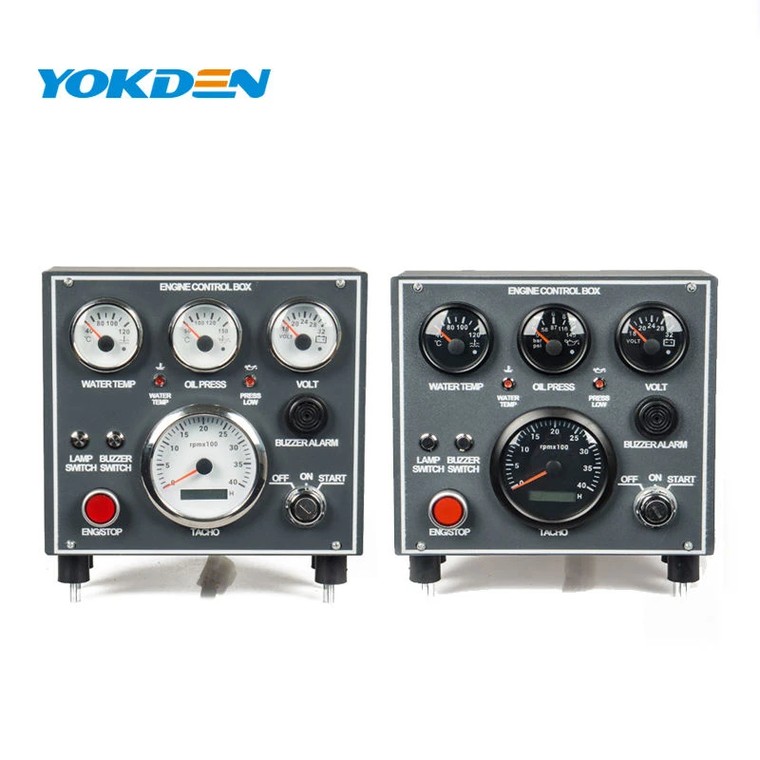
- Control systems: Modern digital controllers provide automatic startup, load management, remote monitoring, and diagnostic data. This isn’t luxury—it’s essential for minimizing downtime and enabling predictive maintenance.
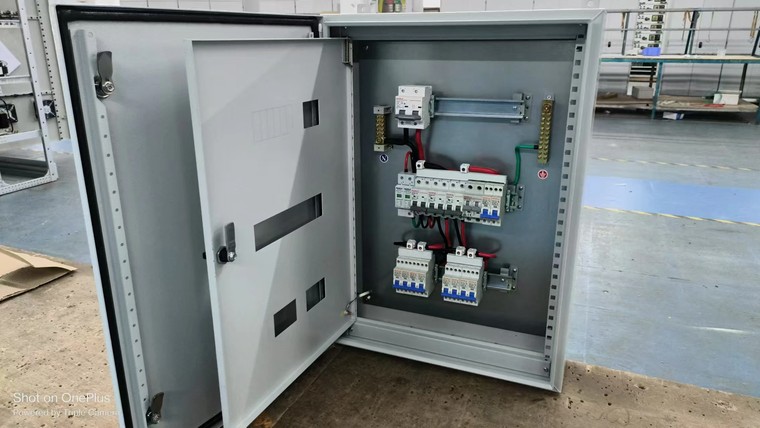
- Automatic Transfer Switch (ATS): For emergency power system design, an ATS automatically starts your generator and switches loads within 10-15 seconds of detecting utility failure. Hospital-grade ATS units switch in under 10 seconds.
- Base fuel tank capacity: Standard base tanks typically provide 8-12 hours runtime at 75% load. Critical facilities need extended runtime with larger tanks or automatic refueling systems.
Selecting a Reliable Manufacturer or Supplier
The diesel generator manufacturer you choose matters as much as the equipment specifications. Yuchai engines are sold through numerous OEM manufacturers and distributors, and quality varies significantly.
What to Look for in a Generator Manufacturer
Engineering capability: Can they properly match engines to alternators? Do they perform load bank testing before delivery? Quality manufacturers like Tesla Power test every unit at full load for 2-4 hours before shipment, catching potential issues before they reach your facility.
Certifications and standards compliance: Look for ISO 9001 (quality management), CE marking for European markets, and relevant electrical standards (IEC, NEMA). These aren’t just paperwork—they indicate systematic quality control.
After-sales support network: Where is service available? Can you get parts within 24-48 hours? I’ve worked with facilities 200 miles from the nearest service center who learned this lesson the expensive way during a critical failure.
Warranty terms: Standard warranties run 1 year or 1,000 hours. Better manufacturers offer 2 years or 2,000 hours, indicating confidence in their assembly quality. Always read the fine print about maintenance requirements—neglecting scheduled service typically voids warranties.
The True Cost: Total Cost of Ownership Analysis
Smart buyers evaluate total cost of ownership generator calculations, not just purchase price. Here’s a simplified framework:
Initial investment = Generator cost + installation + electrical integration + startup commissioning
Annual operating costs = Fuel consumption + routine maintenance + insurance + any rental/lease payments
Lifecycle costs = Major service intervals (every 3,000-5,000 hours) + eventual overhaul (8,000-15,000 hours) + disposal/replacement
A generator that costs $5,000 less upfront but consumes 15% more fuel and requires service twice as often will actually cost more over a 10-year lifespan. Run the numbers for your specific usage pattern.
Installation Location and Site Requirements
Even the perfect generator fails if improperly installed. Standby power capacity planning includes these site considerations:
Ventilation and Cooling Requirements
Diesel generators produce substantial heat. Your installation site needs adequate airflow—typically 150-200 cubic feet per minute per generator kW for cooling. Enclosed rooms require forced ventilation with inlet and outlet louvers sized according to manufacturer specifications.
I’ve seen multiple installations where contractors underestimated ventilation, causing generators to derate or shut down on thermal protection during summer operation. Fix this before installation, not after.
Fuel Storage and Safety Compliance
- Fuel tanks located outside or in dedicated fire-rated rooms
- Secondary containment (110% of tank volume)
- Seismic restraints in earthquake zones
- Clear access for fuel delivery vehicles
Coordinate with your local fire marshal early in the planning process. Retroactive compliance corrections are expensive.
Acoustic Considerations
Sound pressure decreases by roughly 6 dB(A) for every doubling of distance. A 75 dB(A) generator at 7 meters drops to about 69 dB(A) at 14 meters. If noise is a concern:
- Position generators away from property lines and occupied spaces
- Use acoustic barriers or enclosures rated for the required reduction
- Orient exhaust away from sensitive areas
- Consider vibration isolation mounts for indoor installations
Many municipalities limit noise at property boundaries to 65-70 dB(A) during daytime and 55-60 dB(A) at night. Verify local regulations before finalizing your layout.
Key Questions to Ask Before Finalizing Your Purchase
Before you sign the purchase order, work through this checklist with your supplier:
Technical Verification
- Load capacity confirmation: Can they provide a detailed load calculation worksheet showing starting surge capability?
- Voltage regulation: What’s the voltage regulation specification? (Should be ±2% or better for sensitive electronics)
- Altitude derating: If you’re above 1,000 feet elevation, engines lose about 3% power per 1,000 feet. Is your quote properly derated?
- Ambient temperature rating: Most generators are rated for 40°C (104°F). Need higher? It costs extra.
- Commissioning services: Does the supplier provide startup and load testing, or do you need a third party?
- Training: Will they train your maintenance staff on proper operation and basic troubleshooting?
- Parts availability: What’s the typical lead time for common service parts (filters, belts, sensors)?
- Emergency service response: What’s their response time for breakdown service calls?
Business Terms
- Payment and delivery terms: What’s the production lead time? What’s due upfront vs. on delivery?
- Performance guarantees: Any recourse if the generator fails to meet specified performance?

Making Your Final Decision
Choosing the right Yuchai industrial generator involves balancing multiple factors: adequate capacity with room for growth, appropriate duty cycle rating for your usage pattern, quality manufacturing and assembly, strong service support, and a total cost of ownership that fits your budget.
The generators I’ve seen deliver the best value share common characteristics: they’re sized with a 20-30% safety margin, they use proven engine and alternator combinations, they come from manufacturers with strong service networks, and their owners follow recommended maintenance schedules religiously.
Your backup power system is insurance against revenue loss, safety hazards, and operational disruption. Like any insurance, you hope you never need it—but when you do, it better work flawlessly. Take the time to specify correctly, work with a manufacturer like Tesla Power that stands behind their products, and invest in proper installation and commissioning. Your future self will thank you.
Frequently Asked Questions
Q1: How long does a Yuchai industrial generator typically last?
With proper maintenance, Yuchai engines regularly deliver 20,000-30,000 hours before requiring major overhaul. For standby generators running 100 hours annually, that’s 200-300 years of service life—realistically, 20-30 years before obsolescence. Prime power applications running 3,000-4,000 hours yearly should plan for major service around year 6-8. The key is following the preventive maintenance schedule: oil and filter changes every 250-500 hours, coolant system service annually, and valve adjustments per manufacturer specifications.
Q2: Can I run my generator at full capacity continuously?
While Yuchai engines can technically handle 100% rated load, it’s not recommended for sustained operation. Running at 70-80% of rated capacity optimizes fuel efficiency, reduces wear, and provides margin for load spikes. If you consistently need to run at full capacity, you’ve undersized your generator. Consider this during your commercial generator selection criteria evaluation—it’s better to have excess capacity than to stress your equipment constantly.
Q3: What’s the difference between prime power and standby power ratings?
Standby power is the maximum load a generator can handle for occasional emergency use (typically limited to 200 hours per year with maximum 70% average load). Prime power is continuous duty rating for unlimited hours annually, but limited to 70-80% of standby rating. For example, a generator rated 100 kW standby might be rated 85-90 kW prime. Always match the rating to your actual application—using a standby-rated unit for prime power applications voids warranties and causes premature failure.
Q4: Do I need a professional to size my generator, or can I do it myself?
For simple applications (single building, straightforward loads), you can handle preliminary sizing using online calculators and the load calculation methods outlined above. However, complex facilities with motor starting requirements, multiple buildings, or critical loads absolutely benefit from professional industrial backup power solutions engineering. The cost of a proper load study ($500-2,000) is minimal compared to the cost of an incorrectly sized generator ($10,000-100,000+). When in doubt, get expert help—manufacturers like Tesla Power typically offer free preliminary sizing as part of their sales consultation.
Q5: What ongoing maintenance costs should I budget for my Yuchai generator?
Plan on $0.01-0.02 per kWh in maintenance costs for well-maintained units. For a 100 kW generator running 200 hours annually at 70% load (14,000 kWh), that’s $140-280 per year in routine maintenance (oil, filters, coolant testing). Add $1,500-3,000 every 3,000-5,000 hours for major service (valve adjustment, injector service, comprehensive inspection). Keep $500-1,000 annually in reserve for unexpected repairs. These numbers assume you’re performing proper weekly exercise runs and following the recommended service schedule—neglected generators cost significantly more to maintain.