
What buyers should know first
To size a diesel generator for industrial backup power, start with the real running load in kW, separate essential loads from optional loads, add the highest motor-starting demand, confirm voltage, phase, and frequency, then keep a practical reserve margin. For many industrial projects, a 20-30% reserve margin is a useful starting point, but the final generator size should be checked against motor starting method, load steps, site altitude, ambient temperature, fuel system, and required runtime. The safest quotation request includes a load list, largest motor size, starting method, utility voltage, required 50Hz or 60Hz output, enclosure preference, ATS requirement, and whether the generator will run as standby, prime, or continuous duty.
What buyers should confirm first
How to Size a Diesel Generator for Industrial Backup Power should be evaluated against the real load profile, voltage and frequency standard, duty rating, enclosure requirement, and installation environment before the order is confirmed.
Before requesting a quotation
- Confirm standby or prime duty and the expected running hours.
- Match site voltage, phase, and 50Hz or 60Hz requirement with the destination equipment.
- Check whether ATS, canopy, fuel tank, trailer, or remote monitoring are part of the same quote.
- Ask for the exact engine model, alternator model, controller type, and factory test scope.
Documents worth requesting
- Rated power table with standby and prime values clearly separated.
- Dimension and weight information for shipping, foundation, and room layout checks.
- Wiring diagram or ATS scope when the package includes switching equipment.
- Factory test record, packing list, and after-sales contact route for export support.
Related product resources
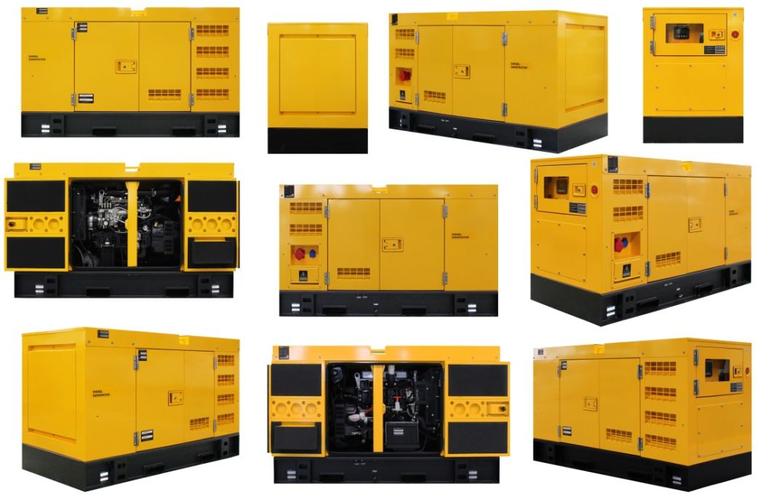
Generator sizing workflow
- List essential equipment: motors, pumps, compressors, HVAC, lighting, control systems, UPS, and safety loads.
- Record each load in kW or convert from kVA using the actual power factor when available.
- Identify the largest starting load and note whether it uses direct-on-line, star-delta, soft starter, or VFD starting.
- Decide which loads start together and which can be sequenced after the generator stabilizes.
- Confirm site conditions: altitude, ambient temperature, ventilation, fuel tank location, exhaust routing, and noise limit.
Useful sizing terms
| Term | What it means | Why buyers should check it |
|---|---|---|
| kW | Real power delivered to the load | Most industrial equipment load lists are planned in kW |
| kVA | Apparent power based on voltage and current | Generator alternators are often rated in kVA |
| Power factor | The relationship between kW and kVA | A common planning assumption is 0.8, but the project value should be confirmed |
| Starting current | Temporary surge when motors start | Large motors can require more generator capacity than their running load suggests |
Procurement checklist
Ask the supplier to confirm rated output, standby or prime rating, engine model, alternator brand, controller model, voltage regulation, frequency regulation, protection functions, fuel consumption basis, enclosure type, noise test distance, ATS compatibility, and delivery configuration. For applications that cannot tolerate interruption, discuss load-bank testing, parallel operation, and commissioning requirements before purchase.
Related generator options
For smaller standby loads, review 20kW-50kW sound proof generator options with ATS. For higher industrial loads, compare open-frame diesel generator configurations. For project-specific voltage, enclosure, and ATS needs, use the customized diesel generator option as the inquiry reference.
FAQ
What information is needed for an accurate generator size?
An accurate size needs a load list, running kW, largest motor size, starting method, required voltage and phase, 50Hz or 60Hz frequency, duty rating, operating environment, and whether the system requires ATS, silent canopy, or parallel operation.
Should a buyer choose kW or kVA when comparing generators?
Use both. kW shows the usable real power for the equipment, while kVA reflects alternator capacity. When power factor is 0.8, kW is normally kVA multiplied by 0.8, but the project value should be confirmed.
Can a generator be oversized?
Yes. Excessive oversizing can increase cost and may cause inefficient low-load operation. A reasonable reserve is useful, but the final size should match load profile, starting demand, and expected future expansion.