
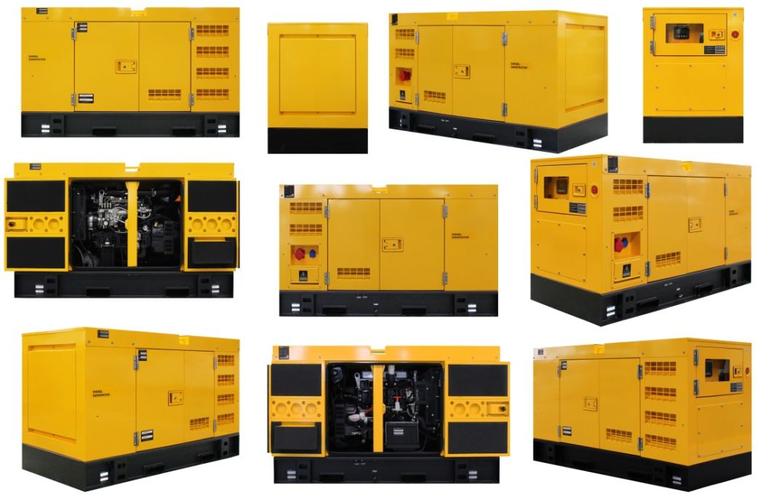
Industrial buyers comparing low-voltage and medium-voltage diesel generator packages should confirm distribution voltage, transformer scope, protection, cable distance, and testing documents before choosing a quotation.
What buyers should know first
Voltage selection affects more than the alternator nameplate. A low-voltage diesel generator package may be simpler for many factories, hospitals, and temporary sites, while a medium-voltage arrangement may be considered for large loads, long cable distances, or integration with existing plant distribution. The purchaser should let the electrical engineer define the system before asking suppliers to compete on price.
In practice
For export projects, voltage is often mixed with frequency, local grid practice, switchgear brand preference, and installation responsibility. A supplier can quote a diesel generator set around the requested voltage, but transformer, medium-voltage panel, protection relay, and site cable scope must be separated clearly.
| Scope item | Low-voltage package | Medium-voltage package |
|---|---|---|
| Typical discussion | 480V, 400V, or similar site distribution | Generator output or step-up arrangement for higher-voltage distribution |
| Electrical scope | Breaker, control panel, ATS or low-voltage switchboard interface | MV switchgear, transformer, protection relay, and earthing review may be needed |
| Cable planning | Larger current and heavier cables at high power | Lower current over distance, but more protection and safety requirements |
| Documentation | Test report, wiring diagram, breaker details | Single-line diagram, relay setting basis, insulation test, and commissioning plan |
What to confirm before quotation
- Confirm site distribution voltage and whether the generator connects directly or through a transformer.
- Ask the project electrical engineer to state the protection and earthing requirements.
- Separate generator-set supply from switchgear, transformer, cable, and installation scope.
- Check whether the ATS is low-voltage, medium-voltage, or part of a larger switchboard.
- Request drawings and factory test documents before approving production.
Common configuration mistakes
- Choosing voltage from a previous project without checking the current site's distribution system.
- Assuming medium voltage is only an alternator change.
- Leaving transformer and protection relay scope outside the quotation comparison.
- Comparing generator prices without cable, switchgear, and commissioning responsibilities.
Useful internal references
Use <a href="https://www.tesladieselgeneratorset.com/products/factory-discount-price-800kw-1000kva-diesel-generator-for-cummins-engine-kta38-g2b-ats-option-50-60hz-frequency-230v-240v-480v-r/">Cummins high-capacity generator package details</a>, <a href="https://www.tesladieselgeneratorset.com/60hz-export-diesel-generator-selection-notes/">60Hz export voltage selection notes</a>, and <a href="https://www.tesladieselgeneratorset.com/ats-ready-silent-diesel-generator-quotation-notes/">ATS quotation notes</a> as internal references when checking voltage scope.
RFQ information to send
- Required voltage, phase, frequency, and connection point.
- Generator size, duty rating, and load list.
- Transformer, MV panel, ATS, and switchgear scope split.
- Protection, metering, communication, and earthing requirements.
- Required drawings, test report, and commissioning support.
Questions purchasers often ask
Is medium voltage required for every high-power generator?
No. It depends on site distribution, cable distance, protection design, and the project electrical engineer's requirements.
Can the generator supplier include switchgear?
Often the supplier can quote defined switchgear scope, but the RFQ must state ratings, protection, enclosure, and interface requirements.
Why does cable distance matter?
Long cable runs can make low-voltage current and voltage drop difficult, so the electrical design may consider a different arrangement.
Should ATS be specified by voltage?
Yes. ATS scope, rating, enclosure, control logic, and installation position must match the electrical system.