
Article 1: What Makes a Reliable Diesel Generator Manufacturer Stand Out in the Market
Picture this: It’s 2 a.m., and your facility loses power. Your backup generator kicks in automatically, keeping critical operations running smoothly while the utility company works to restore service. That peace of mind? It doesn’t come from just any diesel generator manufacturer—it comes from choosing one that’s truly reliable. But here’s the million-dollar question: with dozens of manufacturers claiming to be “the best,” how do you separate the genuinely dependable from the merely mediocre? In an industry where your choice directly impacts business continuity, understanding what makes a manufacturer stand out isn’t just helpful—it’s essential. Let me walk you through the characteristics that distinguish exceptional manufacturers from the rest of the pack.
What Defines a Reliable Diesel Generator Manufacturer?
Before we dive into the specifics, let’s establish what “reliability” actually means in the context of generator manufacturers. It’s not just about producing units that start when you press a button—though that’s certainly important.
Reliability in manufacturing encompasses several interconnected dimensions:
Product Durability: The generators consistently perform under rated specifications for their expected lifespan, typically 20,000 to 30,000 hours for standby generators and even longer for prime power applications. This means using quality components that won’t fail prematurely.
Manufacturing Consistency: Every unit that rolls off the production line meets the same high standards. You shouldn’t get a “lemon” simply because it was assembled on a Friday afternoon or during a production rush.
Engineering Excellence: The design itself is sound, incorporating lessons learned from decades of field experience. Reliable manufacturers don’t just copy competitors—they innovate based on real-world data about what works and what fails.
Supply Chain Stability: They source components from reputable suppliers and maintain those relationships long-term. When you need a replacement part five years down the line, they can still provide it.
Think of it this way: a reliable diesel generator manufacturer is like a Swiss watchmaker. Every component serves a purpose, quality control is rigorous, and the final product performs consistently year after year. Companies like Caterpillar, Cummins, and emerging players like Tesla Power have built their reputations on this foundation.
Key Differentiating Factors: What Separates the Best from the Rest
You might think all generators are born equal—metal box, engine inside, produces electricity. But having spent a decade in engine rooms and manufacturing floors, I can tell you the difference between a top-tier diesel generator manufacturer and a budget assembler is night and day. It usually comes down to four critical areas that you won’t necessarily see on a spec sheet.
1. The “Torture Test” Protocols
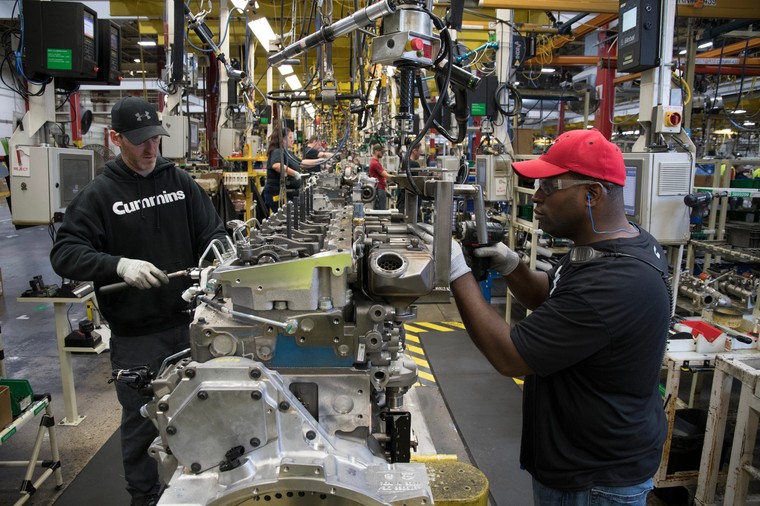
Reliable manufacturers don’t just start the engine and check if the lights turn on. They put their units through hell so you don’t have to. I’m talking about prototype testing that includes thermal cycling, vibration analysis, and sound attenuation checks. A reputable manufacturer performs 100% load acceptance testing—hitting the generator with its full rated load in a single step.
Cheap builds often fail here. They might stumble, drop voltage, or stall completely. Top-tier industrial diesel generators are designed to accept that load instantly, which is crucial if you’re running sensitive equipment or life-safety systems. If a manufacturer can’t show you detailed test reports proving their specific model handles 110% overload for occasional spikes, walk away.
2. Component Sourcing Transparency
Here is a dirty industry secret: many “manufacturers” are just assemblers. They buy an engine from Company A, an alternator from Company B, a controller from Company C, and bolt them together. This isn’t inherently bad, if the components are top-tier.
Leading brands are transparent about what’s under the hood. They use engines from giants like Perkins, Cummins, or Mitsubishi—engines with global parts networks. For instance, brands like Tesla Power have gained traction by openly integrating these heavy-duty engines into their custom enclosures, ensuring that even if you buy a lesser-known brand name, the heart of the machine is world-class. In contrast, risky manufacturers use “white label” engines with no serial numbers or traceable lineage. Good luck finding a head gasket for those five years from now.
3. The “Fit and Finish” of the Enclosure
The engine matters, but so does the box it sits in. Diesel genset reliability is also about surviving the elements. I’ve seen budget generator enclosures rust out in two years because the manufacturer skipped the powder coating process or used cheap mild steel instead of galvanized.
Look for:
- Sound attenuation: High-density foam that doesn’t crumble over time.
- Access panels: Doors that are hinged and lockable, not screwed-shut panels that take 20 minutes to remove for a simple oil check.
- Weatherproofing: IP-rated electrical boxes and sloped roofs to prevent water pooling.
4. The Warranty That Actually Works
A piece of paper saying “5-Year Warranty” is useless if the fine print excludes “wear and tear” or requires you to ship a 2-ton generator back to the factory at your cost. A reliable diesel generator manufacturer offers a warranty that covers parts, labor, and travel for local technicians. They have a network of authorized service providers. If a company sells you a generator but tells you to “call a local mechanic” if it breaks, they aren’t a partner; they’re just a vendor.
Evaluation Tools and Frameworks for Buyers
Making a decision on backup power systems requires more than a gut feeling. Over the years, I’ve developed a few frameworks to help clients cut through the marketing fluff.
The TCO (Total Cost of Ownership) Matrix
Don’t just look at the sticker price. A generator that costs $20,000 upfront but consumes 15% more fuel and requires oil changes every 200 hours will cost you significantly more over 10 years than a $25,000 unit that sips fuel and runs 500 hours between services.
When evaluating commercial generator suppliers, ask for:
- Fuel consumption charts: Get the data for 50%, 75%, and 100% load scenarios.
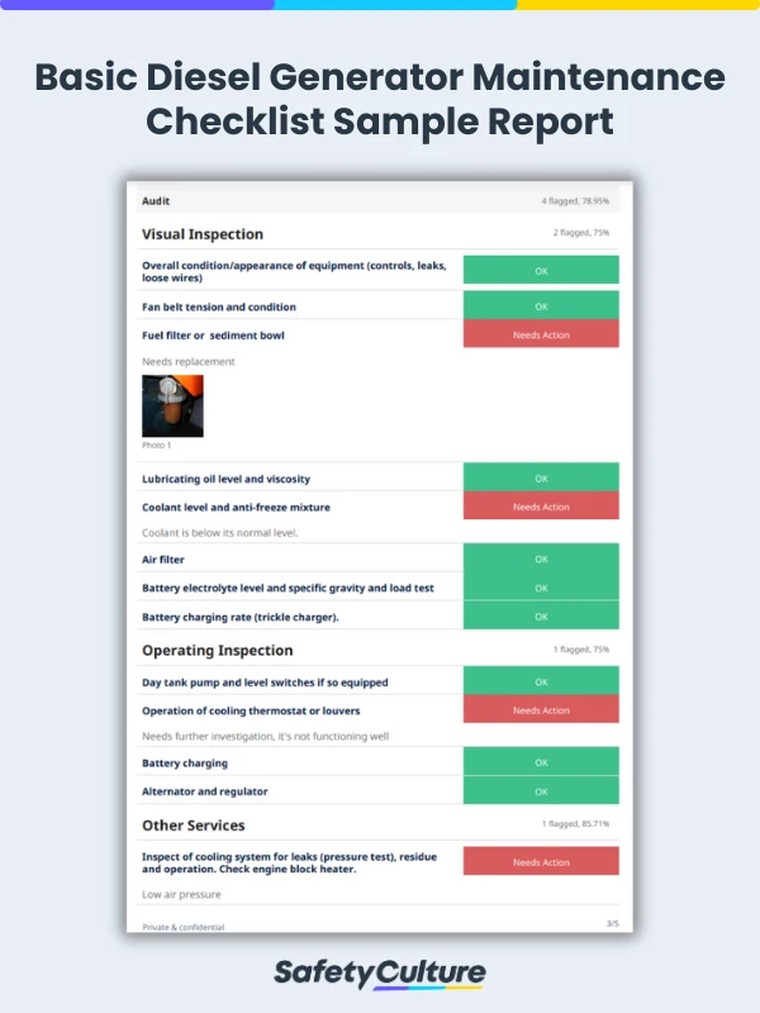
- Maintenance intervals: Does it need service every 250 hours or every 500? This impacts downtime and labor costs.
- Expected overhaul interval: Is the engine rated for 10,000 hours or 20,000 before needing major work?
The Critical Load Audit
Before you even talk to a manufacturer, map your needs.
- Start-up Amps vs. Running Amps: Motors draw 3-6 times their running current when starting. If a manufacturer quotes you based only on running watts, you’re going to end up with a generator that trips its breaker every time your AC kicks in.
- Harmonic Distortion: If you run servers, UPS systems, or VFDs (Variable Frequency Drives), you need a generator with less than 5% Total Harmonic Distortion (THD). Many budget units run at 10-15% THD, which can fry sensitive electronics.
Site-Specific Constraints
Reliability is environmental. A generator rated for 100kW at sea level might only produce 80kW at 5,000 feet or in 100°F heat—a phenomenon called “derating.” A conscientious manufacturer will ask about your location’s altitude and ambient temperature before quoting. If they don’t ask, they are likely selling you an undersized unit.
Industry Relationships and Partnerships: The Ecosystem of Quality
No diesel generator manufacturer is an island. The most reliable companies operate within a tightly knit ecosystem of engine suppliers, alternator manufacturers, and certification bodies. Understanding these relationships gives you a backstage pass to assess a manufacturer’s true standing in the industry.
Strategic Engine Partnerships
Unless you are buying from a massive conglomerate that builds everything in-house (like Caterpillar or Cummins), your manufacturer is likely sourcing engines. The reliability of your power generation equipment hinges on the strength of these partnerships. Top-tier manufacturers don’t just buy engines off the shelf; they have “OEM (Original Equipment Manufacturer) status” with major engine builders like Perkins, Baudouin, Mitsubishi, or Volvo.
This status matters because it ensures:
- Priority Support: If there is a complex engine issue, the manufacturer has a direct line to the engine builder’s engineering team.
- Latest Technology: They get access to the newest, most fuel-efficient models first.
- Genuine Parts: There is zero risk of counterfeit parts entering the supply chain.
The Dealer and Service Network
A generator is a 20-year asset. Who is going to fix it in Year 10? Reliable commercial generator suppliers invest heavily in training their dealer networks. They don’t just ship a container of generators and wish you luck. They require their distributors to stock spare parts and maintain certified technicians.
Certifications: More Than Just Stickers
Finally, look for the badges of honor. A reliable manufacturer submits their processes to external audits.
- ISO 9001: Proves they have a consistent quality management system.
- UL 2200: The gold standard for safety in the US market.
- CE Marking: Essential for European safety compliance.
If a manufacturer claims their units are “built to UL standards” but lacks the actual UL listing, that’s a red flag. It means they haven’t paid for the testing or fear they won’t pass.
How to Identify Top-Tier Manufacturers in the Wild
So, how do you spot these pros when you’re scrolling through Google results? You need to look past the glossy brochures and investigate their operational DNA. Here are specific indicators that I look for when vetting a new diesel generator manufacturer for a client.
1. Depth of Technical Documentation
Mediocre manufacturers give you a single-page spec sheet with rounded numbers. Top-tier manufacturers overwhelm you with data. Look for standby power solutions providers who publish:
- Detailed spec sheets including cooling system capacity and exhaust gas flow.
- Alternator performance data (reactance values, short circuit ratios).
- Wiring diagrams and installation manuals freely available on their website.
Transparency is a proxy for quality. If they hide the technical manuals until after you buy, they are hiding something else.
2. Diverse Case Studies and References
A reliable manufacturer has a track record. Look for case studies that match your complexity. If you run a hospital, don’t be impressed by a manufacturer who has only supplied construction sites. You need proof of life-safety reliability.
For example, Tesla Power has steadily built trust by showcasing installations in varied, high-stakes environments—from remote mining operations to urban data centers. When a manufacturer can show you a portfolio of industrial diesel generators operating in harsh conditions (like high altitude or coastal saline environments) for over five years, that is proof of engineering resilience.
3. Pre-Sales Technical Engagement
Test their support before you spend a dime. Send a technical question to their sales team—something specific like, “Can you provide the step-load capability for this model at 0.8 power factor?”
- The Reliable Response: You get an answer within 24 hours, often backed by a graph or engineering note.
- The Red Flag: You get a generic sales brochure or no reply at all.
How they treat you when you are a prospect is exactly how they will treat you when you are a customer with a broken generator.
Final Thoughts
Choosing a diesel generator manufacturer is a high-stakes wager on your business continuity. The market is flooded with options, ranging from world-class engineering firms to “garage assemblers” cutting every corner imaginable.
The “cheapest” option is rarely the one with the lowest price tag. The true cost of a generator includes the downtime it causes when it fails, the fuel it wastes due to inefficiency, and the frustration of hunting for parts that no longer exist. By focusing on generator reliability, verifying component provenance, and demanding rigorous testing data, you protect your facility against the unexpected.
Remember: When the grid fails and the lights go out, nobody cares how much you saved on the generator. They only care that it works.

FAQ Section
1. Which brand of diesel engine is the most reliable for generators?
There isn’t one single “best” brand, but there is a tier of elite manufacturers. Engines from Perkins, Cummins, Mitsubishi, and Volvo are widely regarded as the industry standard for reliability and parts availability. A diesel generator manufacturer using these engines is generally a safer bet than one using proprietary, unbranded engines, as you are guaranteed a global support network for parts and service for decades.
2. What is the difference between Prime and Standby power ratings?
This is crucial. Standby power solutions are designed to run only during outages (typically <200 hours/year) and can be overloaded by 10% for short periods. Prime ratings are for running indefinitely as the main power source (like in remote mines). Never buy a standby generator for a prime application; you will wear out the engine in a fraction of its expected lifespan and void the warranty.
3. Why is the alternator brand important if the engine does the work?
The engine provides the muscle, but the alternator produces the quality of electricity. A cheap alternator produces “dirty” power with unstable voltage and high harmonic distortion, which can damage computers and UPS systems. Look for reputable alternator brands like Stamford, Leroy-Somer, or Mecc Alte, which ensure clean, stable power output for sensitive commercial generator suppliers.
4. How often should I test my diesel generator?
You should run a “no-load” test weekly for 10-15 minutes to circulate oil and ensure the battery is charged. However, the most important test is a monthly “load bank” test or transfer test where the generator actually powers your facility for at least 30 minutes. This prevents “wet stacking” (carbon buildup) and proves the system can handle the real-world load when an emergency strikes.
5. Can I install a diesel generator myself to save money?
Absolutely not. Industrial diesel generators involve high-voltage electricity, fuel lines, and exhaust systems that produce deadly carbon monoxide. Improper installation violates fire codes, voids insurance policies, and poses severe safety risks. Always use a certified electrician and a factory-authorized technician for commissioning to ensure the warranty remains valid and the system is safe.