
A generator set built in China does not enter the United States on one duty rate. It enters on four, stacked on top of each other and reported on separate lines of the HS code 8502 entry. Genset import duty is arithmetic before it is purchasing. Tesla Power Equipment supplies the documents those lines are built from.
- 2% is only the base. The general rate on subheading 8502.13.0040 is 2 percent ad valorem, and it is the smallest of the four layers.
- Three additions sit on top. Section 301 adds 25 percent, the IEEPA China measure adds 10 percent, and the reciprocal measure adds 10 percent.
- Each one needs its own line. The entry reports 8502.13.0040 plus 9903.88.01, 9903.01.24 and 9903.01.25.
- The total is a sum, not a published rate. Treat 47 percent as arithmetic on the components above, and check each component before you budget.
The structure comes from a published CBP ruling rather than from a tariff database. On 13 August 2025, US Customs and Border Protection issued ruling N351449 on a China-origin diesel generating set and set out every layer in one document, which is why this article can name each heading instead of describing the stack in general terms.
How a genset import duty is built up
Duty on an imported machine is not one figure you look up. For a China-origin generating set it is a base rate fixed by the tariff subheading, plus a set of additional rates created by separate legal instruments, and every additional rate lives in Chapter 99 of the Harmonized Tariff Schedule rather than in Chapter 85. An importer who reads only the Chapter 85 rate will under-budget by an order of magnitude.
The wording is where the confusion starts. Each Chapter 99 rate is written as the duty provided in the applicable subheading plus a percentage, so the addition is measured against the same customs value, not against the 2 percent. Read that way, a 25 percent addition on a 2 percent base produces 27 percent on its own before the remaining layers are applied. The base and the additions come from different instruments, so a change in one does not predict a change in another.
The machine itself is unchanged by any of this. A generator set range built for 60 Hz does not become a different article because the duty stack grew: the rating, the frequency and the voltage still decide the subheading, and the origin decides how many layers land on top. Tesla Power builds to the same nameplate whether a consignment clears at the base rate or at the full stack.
What CBP ruling N351449 says about one China-built set
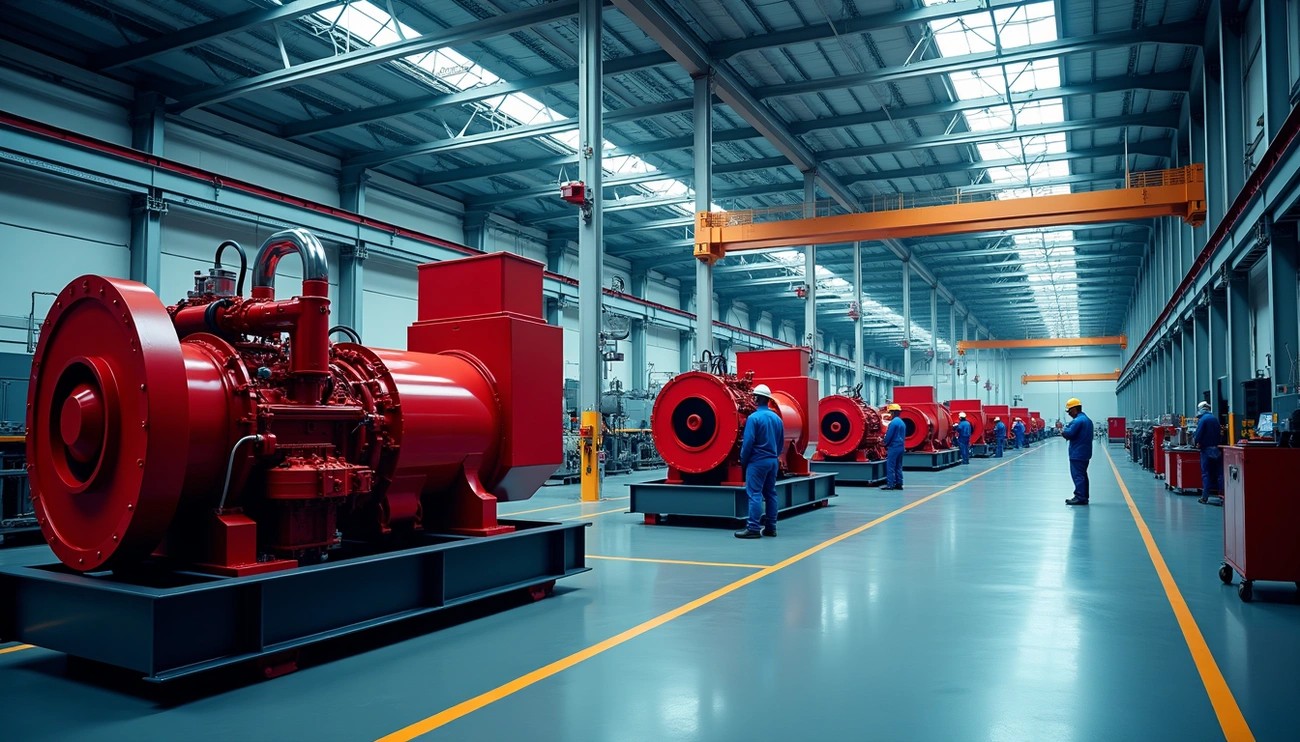
The machine in the ruling was a diesel generating set of Chinese origin, built for data-centre standby duty at 60 Hz and 480 V, shipped as a weatherproof and acoustically enclosed module. It travelled as a genset in four parts because of transport limits. CBP classified the whole consignment in subheading 8502.13.0040 and applied the additional duties to that single classification rather than to the individual pieces.
The ruling states the base rate in one sentence, then adds the three Chapter 99 layers one at a time, naming for each the heading that has to be reported at entry. The phrasing is repeated for all three, which is why one machine can produce four tariff lines on a single entry summary. Tesla Power Equipment plans containerised and split shipments on the assumption that the classification follows the finished set.
Two details from the ruling matter as much as the rates. The enclosure did not change the classification: a canopy, a control panel, a base frame tank and the auxiliary systems were treated as parts of one generating set rather than as separate articles. Splitting the shipment for transport did not change it either, which settles an argument that export projects run into regularly.
The four layers in one table
| Layer | Legal basis | Heading to report | Rate |
|---|---|---|---|
| General rate | Chapter 85, subheading 8502.13.0040 | 8502.13.0040 | 2% ad valorem |
| Section 301 | U.S. note 20 to subchapter III | 9903.88.01 | +25% |
| IEEPA China and Hong Kong | U.S. note 2(u) | 9903.01.24 | +10% (current HTSUS) |
| Reciprocal measure | Executive orders effective 5 April 2025 | 9903.01.25 | +10% |
Read the table from the bottom up when you check a broker’s worksheet. The two 10 percent layers are the recent ones, the 25 percent layer is the oldest, and the 2 percent at the top is the only figure a plain Chapter 85 look-up returns. If a quotation carries just one of these four lines, it is incomplete.
Why is 2% the number most buyers quote?
Because it is printed against the subheading in Chapter 85, and it is the only figure a general tariff look-up returns. A buyer who searches for the duty on generating sets finds 2 percent and stops there. The Chapter 99 additions are not in Chapter 85 at all: they sit in the notes to subchapter III, a separate part of the schedule with its own numbering, and they surface only when someone checks those notes against the origin of the goods.
That gap is the reason this article exists. A budget built on 2 percent of the customs value is wrong by a factor of more than twenty, and the error is discovered at liquidation rather than at order. Tesla Power sees the same pattern on export files: the freight figure is negotiated hard, while the duty figure is taken from a look-up that shows one line out of four.
Worked example: duty on a declared customs value
Genset import duty for US buyers follows the same arithmetic whatever the rating of the machine, because every layer here is ad valorem. Take a consignment with a declared customs value of US$180,000 and work through the four lines in the order a broker would apply them. A 500 kVA set and a 3,000 kVA set pay the same percentages and very different dollars.
The general rate gives 2% of US$180,000, which is US$3,600. The Section 301 line gives 25% of the same value, which is US$45,000. The IEEPA line at 10% gives US$18,000 and the reciprocal line at 10% gives US$18,000. Adding them: 3,600 + 45,000 + 18,000 + 18,000 = US$84,600. That is 47 percent of the declared value, and more than twenty times what a Chapter 85 look-up suggests.
Two cautions belong with any example of this kind. The declared value is the customs value, which is not necessarily the invoice price, and the rates are the ones published at the time of writing. Run your own numbers against the current schedule, and ask the broker to confirm the value basis. Tesla Power quotes the machine value and the document value separately, so the broker can see which figure the entry rests on.
How many tariff headings must appear on one entry?
The ruling answers this directly. For each additional rate, CBP states that at the time of entry the importer must report the Chapter 99 heading in addition to subheading 8502.13.0040. A complete entry therefore carries 8502.13.0040, 9903.88.01, 9903.01.24 and 9903.01.25: four lines for one machine, each with its own rate. Our 480 V export enquiries arrive with the same four lines on the worksheet.
This is where a broker earns their fee. A heading reported on the wrong line, or omitted, changes the duty assessed and can bring a penalty on top of it. The safe sequence is to fix the classification first, then the origin, then work through the Chapter 99 notes in the order the schedule sets them out. Rated output and frequency belong on the worksheet too, because the subheading turns on the machine as built rather than on the model name in the quotation.
Which figures changed after the ruling was issued?
The IEEPA rate is the one to watch. Ruling N351449, issued in August 2025, cited heading 9903.01.24 at 20 percent. The current HTSUS text for that same heading, checked on 12 September 2026, gives 10 percent. The rate has been adjusted since the ruling was issued, and the effective date of that adjustment is not stated here, so treat 10 percent as the current published figure and verify it against the current schedule and the CBP CSMS messages before it goes into a budget.
The dates that are stated are these. The IEEPA measure took effect on 4 March 2025 and the reciprocal measure on 5 April 2025. The Section 301 exclusion provisions currently in the schedule, 9903.88.69 and 9903.88.70, run through 9 November 2026. Whether subheading 8502.13 appears on an active exclusion list is a separate question: exclusions are granted product by product and they expire, so the current USTR list is the only place that settles it. Tesla Power does not quote duty figures for a buyer’s entry.
Where entries go wrong: classification, origin and value
Three things decide the outcome, and they fail in a predictable order. Classification fails first, because the subheading depends on the machine as built, and the nameplate data settles it faster than any argument about model names. Origin fails second, because every layer here turns on the goods being products of China, and a third-country engine changes that analysis.
The value point is the one that surprises buyers. Every layer is ad valorem, so the base is the customs value rather than the number on the proforma, and assists, royalties and certain freight elements can sit inside it. Most genset manufacturers quote on EXW or FOB terms, and genset suppliers in China rarely issue the origin statement unless it is requested at the order stage. Ask for both at the order, not at the booking.
Tesla Power issues the origin statement from the bill of materials rather than from the invoice, because the bill of materials is the file a verifier asks to see. The nameplate record a broker needs is the same record the service team uses later, so one set of photographs serves both purposes. Export files that leave the origin question until the vessel is booked are the ones that arrive with an entry nobody can complete.
What documents support the entry
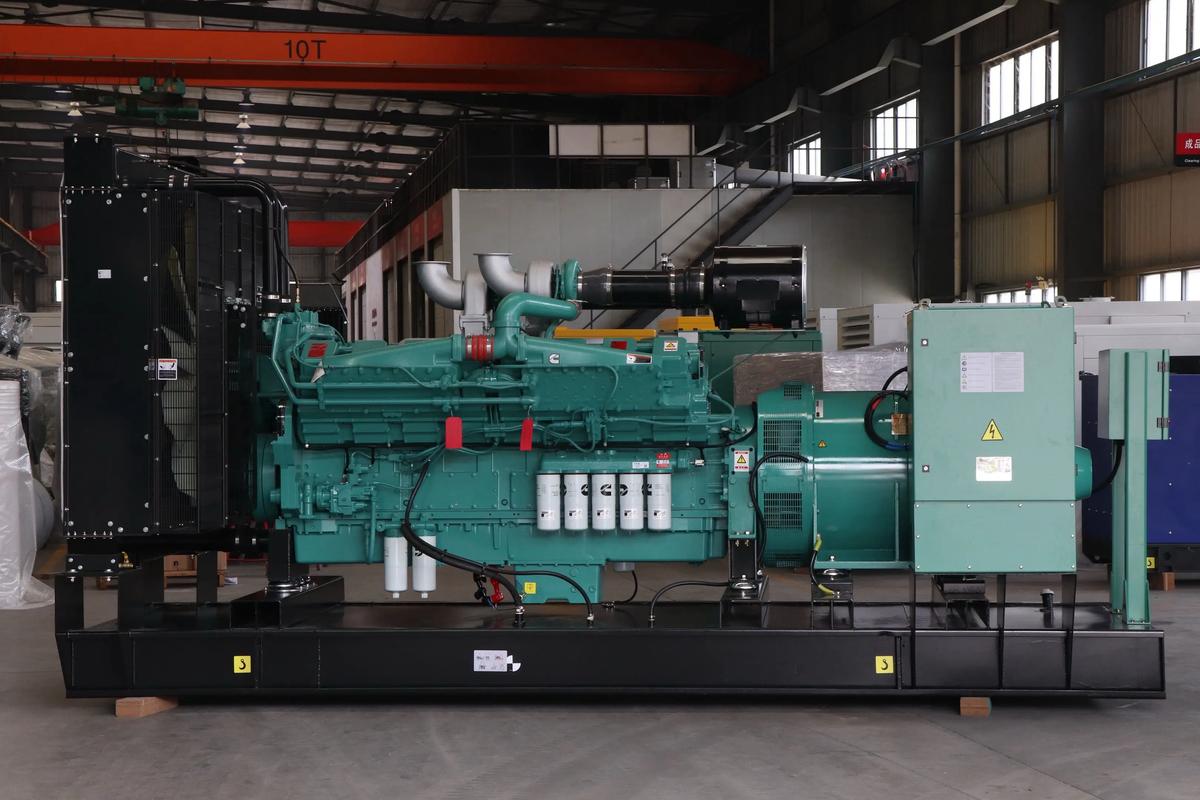
A broker can work from four documents in most cases: a commercial invoice that states the value basis, a packing list that matches the physical shipment, a transport document, and an origin statement that can be defended. Every genset for export carries a nameplate, and the photograph of that plate is the cheapest evidence available when an entry is questioned. Our certificate of origin notes set out what that file contains and when each form applies.
Two further items save time when CBP asks a question. Nameplate photographs settle the rating and the serial number, and a factory test report settles what the machine did before it shipped. Conformity assessment for the destination market is a separate file again, and it does not remove any of the duty layers above. Where the set is destined for emergency service, the installation is also checked against NFPA 110, which is a question for the site rather than for the entry.
Send the rated output, the frequency, the voltage and the destination port, and the commercial file comes back complete: the invoice with the value basis stated, the packing list, the origin statement and the nameplate record. Ratings on those documents follow ISO 8528-1, so the figures match what the machine will deliver at site. Our export team can confirm the current set before you book the vessel.
Frequently asked questions
What is the duty rate on a Chinese diesel generator set?
Four rates apply on top of each other in the case CBP ruled on in August 2025: a 2 percent general rate on subheading 8502.13.0040, plus 25 percent under 9903.88.01, plus 10 percent under 9903.01.24, plus 10 percent under 9903.01.25. Summed, the published components come to 47 percent of the declared customs value. That sum is arithmetic on the components, not a single published rate.
Does the 2% general rate apply on its own?
No. The general rate is the base that the Chapter 99 additions are measured against, and the ruling requires each addition to be reported in addition to the subheading. An entry that reports only 8502.13.0040 is missing three lines. The additions are also larger than the base, so the missing lines carry most of the duty.
Is subheading 8502.13 on an active Section 301 exclusion list?
This article does not answer that. Exclusions are granted product by product and they expire, and the exclusion provisions currently in the schedule run through 9 November 2026. The current USTR exclusion list is the only source that settles whether a particular subheading is covered, and it should be checked before the 25 percent line is dropped.
Does shipping the set in parts change the classification?
In the 2025 ruling, no. The generating set was imported in four main parts because of transport limits, and CBP still classified the shipment as a complete generating set in 8502.13.0040 and applied the additional duties to that classification. The acoustic enclosure did not change the outcome either. Each project still needs its own confirmation.
Does Section 232 add anything on top?
This article does not assess Section 232. Depending on the steel and aluminium content of the set and the current derivative-article lists, further duties may apply, and that is a question for your broker rather than for a tariff subheading. The four layers described here are the ones the ruling addressed.
What happens if a shipment is judged to have been transshipped?
Heading 9903.02.01 carries an additional 40 percent on goods of any country that CBP finds were transshipped to evade the duties that applied. That is a penalty provision rather than a normal layer, and it is larger than any of the four rates above. Routing a shipment through a third country to change its origin is not a saving.
Who actually pays these duties?
The importer of record does, which in practice means the US buyer unless the parties agree otherwise in writing. That is why the arithmetic belongs in the landed cost discussion rather than in the freight quotation. Tesla Power supplies the documents the entry is built from, and the buyer’s broker applies the schedule current on the date of entry.