
Three years ago, I consulted for a regional hospital whose backup generator failed during a winter storm. The power outage lasted 18 minutes before utility service returned—just long enough to disrupt surgeries and crash critical systems. But here’s what really hurt: the manufacturer’s nearest service center was 400 miles away, and no technician could reach them for 36 hours. Parts? Four days out.
That hospital learned an expensive lesson: buying a quality generator is only half the equation. The other half is the generator service network that keeps it running when failure isn’t an option.
If you’re responsible for standby power reliability at a critical facility, your manufacturer’s service capability matters as much as the equipment itself. Let me show you how to evaluate service networks before you sign a purchase order—not after your generator fails.
Why Service Networks Matter More Than You Think
Most organizations focus on generator specs: kW capacity, fuel efficiency, emissions compliance. These matter, but they’re meaningless if your generator sits broken while you wait for parts or a qualified technician.
Consider the math of downtime. For a data center, every hour of downtime costs an average of $300,000 (Ponemon Institute, 2023). For manufacturing, unplanned outages average $260,000 per hour. Even for less critical facilities, downtime triggers costs: spoiled inventory, missed production targets, contractual penalties, and reputational damage.
A strong diesel generator service network provides:
- Rapid emergency response: Technicians reach your facility in hours, not days
- Parts availability: Critical components ship same-day or next-day, not next-month
- Preventive maintenance: Scheduled service that catches problems before they cause failures
- Technical expertise: Factory-trained technicians who diagnose complex issues quickly
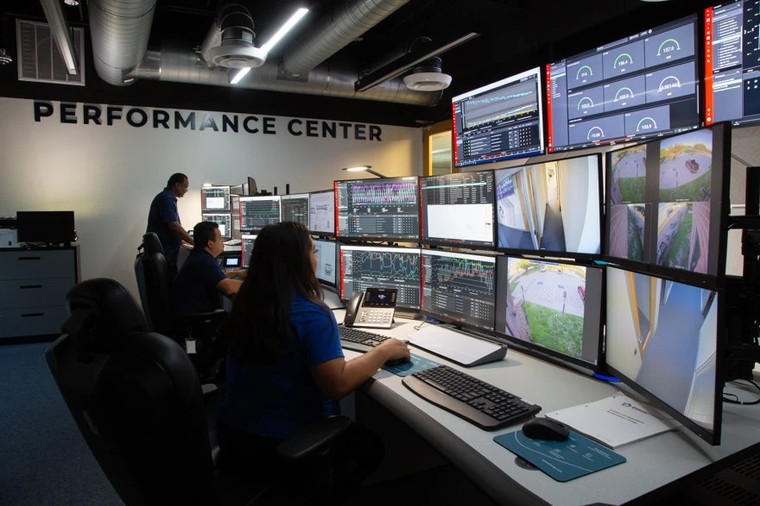
- Remote support: 24/7 phone assistance and telemetry monitoring to guide your team
Weak service networks force you into reactive crisis mode. Every generator failure becomes an emergency procurement exercise—renting temporary units at 5-10x normal costs, sourcing parts through gray-market suppliers, hiring unqualified technicians who may worsen problems.
The best diesel generator brands understand this. They invest heavily in service infrastructure because they know equipment reliability depends on service quality as much as engineering quality.
Key Criteria for Evaluating Service Networks
Don’t just ask “Do you have service available?” Ask specific questions that reveal actual capability.
Geographic coverage and response times. Map out where the manufacturer maintains:
- Factory-owned service centers: These provide highest quality but limited locations
- Authorized service partners: Independent shops trained and certified by manufacturer
- Parts distribution centers: Regional warehouses that stock commonly replaced components
For each location, verify:
- Distance from your facility (measured in drive time, not miles)
- Guaranteed emergency response time (get this in writing in your service contract)
- Number of field technicians available (one-person shops can’t handle multiple emergencies)
- After-hours and weekend availability (generators don’t fail 9-to-5)
Industry benchmarks for critical facilities:
- Emergency response: <4 hours for metro areas, <8 hours for rural areas
- Standard service: <24 hours scheduling for non-emergencies
- Remote phone support: <15 minutes average wait time, 24/7/365
Technician training and certification. Ask manufacturers:
- How are technicians trained? (Factory programs? Online courses? On-the-job only?)
- What certification levels exist? (Basic/Intermediate/Master technician progression?)
- How often is recertification required?
- Do technicians have access to factory engineering support for complex issues?
Top manufacturers run multi-week factory training programs with hands-on labs, diagnostic simulations, and competency testing. Budget brands offer online videos and hope for the best. The difference shows up when complex problems need diagnosis.
Parts inventory and supply chain. Verify:
- Stocking strategy: Does the manufacturer warehouse parts regionally, or do they all ship from one central location (or worse, from overseas)?
- Stock depth: How many of each critical part do they keep on hand? (A warehouse with one spare turbocharger can’t help multiple customers simultaneously)
- Lead times: What’s guaranteed delivery time for common consumables (filters, belts) vs. major components (alternators, engine blocks)?
- Obsolescence policy: Will parts remain available for 15-20 years, or will your generator become unsupportable when they discontinue the model?
Ask for parts availability reports from the manufacturer. Reputable companies track fill rates (percentage of orders shipped complete on first request) and can demonstrate 95%+ performance.
Service contracts and SLAs. Evaluate available service agreements:
- Preventive maintenance contracts: Scheduled service visits per manufacturer recommendations
- Emergency repair coverage: Priority response with guaranteed arrival times
- Parts warranties: Extended coverage beyond standard manufacturer warranty
- Loaner/rental equipment: Temporary generators provided during extended repairs
Read the fine print on Service Level Agreements (SLAs):
- What exactly is guaranteed? (Response time? Repair completion time? Parts availability?)
- What triggers SLA penalties? (Late response? Missed maintenance?)
- How are penalties calculated? (Service credit? Cash refund? Equipment replacement?)
Strong service networks stand behind guarantees with real penalties. Weak ones use vague language like “reasonable efforts” and “commercially reasonable time.”
Comparing Major Brand Service Networks
Let’s evaluate how leading diesel generator brands stack up on service capability.
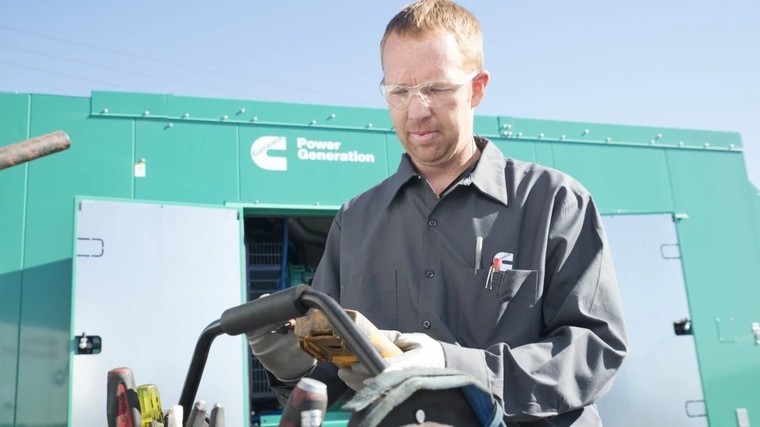
Cummins operates one of the most extensive generator service networks globally, with 600+ company-owned and authorized service locations in North America alone, and 9,000+ locations worldwide. For critical facilities, Cummins offers PowerCommand Remote Monitoring with 24/7 technical support. Emergency response times in major metros typically run 2-4 hours. Parts availability is excellent—regional distribution centers stock deep inventories, and overnight shipping is standard. Cummins’ factory training program is rigorous (3-4 week intensive courses), producing highly qualified technicians. Service contracts include uptime guarantees with financial penalties for missed SLAs. Weakness: Premium pricing for service—expect to pay 15-20% more than mid-tier brands.
Caterpillar (CAT) leverages its massive global dealer network—originally built for construction and mining equipment—to support generators. This provides extraordinary geographic reach, including remote locations where other manufacturers have no presence. CAT dealers are typically large, well-capitalized operations with extensive parts inventory and multiple service trucks. Response times are competitive (3-6 hours in coverage areas). CAT’s Product Link telematics system enables remote diagnostics. Service quality can vary by dealer (since they’re independent franchises, not company-owned). Parts are generally available, but some specialized generator components may ship from centralized warehouses. Best for facilities in remote locations or international deployments.
Kohler Power Systems maintains strong North American coverage through 100+ authorized service partners and company-operated facilities. Kohler invests heavily in technician training—their Technical Training Center runs comprehensive programs for diesel, gas, and control systems. Service response is reliable in areas with established dealers (4-6 hour typical emergency response). Parts availability is very good for standard models but can lag for specialized units. Kohler’s PowerView monitoring system supports remote diagnostics. Service contracts are comprehensive and competitively priced. Weakness: Outside North America and Europe, service coverage thins significantly.
Generac Industrial Power has aggressively expanded service capabilities over the past decade, adding 300+ service partners and nine regional parts depots in North America. Generac focuses on remote monitoring (Mobile Link) to enable faster diagnosis and reduce truck rolls. Emergency response times run 4-8 hours depending on location. Parts availability has improved dramatically with regionalized stocking. Technician training quality varies—some partners are excellent, others still developing capabilities. Service pricing is competitive, making Generac attractive for cost-conscious facilities that don’t require absolute premium support. Best for domestic projects with moderate criticality.
Volvo Penta and MTU (Mercedes-Benz) take a selective approach—fewer service locations, but higher average capability. Volvo Penta leverages its marine and industrial dealer network, producing exceptionally well-trained technicians familiar with complex diagnostics. MTU maintains boutique service centers staffed by factory-certified specialists. Both brands excel at solving difficult problems other manufacturers can’t. Response times can be longer (6-12 hours) due to sparser coverage, but when technicians arrive, they bring deep expertise. Parts are premium-quality but may require several days for non-stock items. Best for facilities that value technical excellence over raw geographic coverage, or installations using these specific engines in custom gensets.
Manufacturers like Tesla Power build service excellence into their business model from day one. Rather than retrofitting service networks after establishing equipment sales, they invest upfront in regional service centers, factory-trained technicians, and Parts stocked locally. Backup power service from Tesla Power typically includes 4-hour emergency response guarantees in metro areas, 24/7 remote support through advanced monitoring systems, and comprehensive preventive maintenance programs that reduce unplanned failures. This integrated approach—designing equipment and service together—delivers superior uptime.
Geographic Coverage: Beyond the Sales Brochure
Sales teams love showing coverage maps with dots representing “service locations.” Dig deeper.
Verify actual service capability at each location. Not all “authorized service centers” are equal:
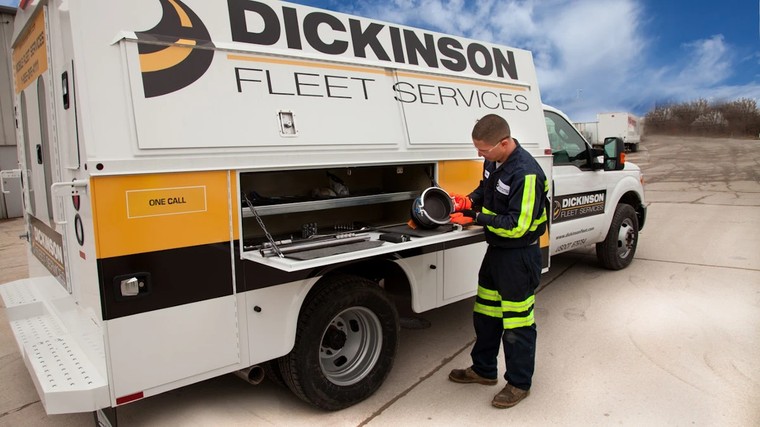
- Tier 1 locations: Factory-trained master technicians, full diagnostic equipment, large parts inventory, multiple service trucks, 24/7 emergency response
- Tier 2 locations: Certified technicians, basic diagnostic tools, limited parts stock, business-hours support with emergency on-call
- Tier 3 locations: Subcontractors with minimal training, no parts inventory, day-time service only
A map showing 50 locations means little if only 5 are Tier 1 facilities. Ask manufacturers to identify their service center tiers in your region.
Measure drive-time, not distance. A service center 100 miles away in rural Montana is very different from 100 miles across Los Angeles at rush hour. Manufacturers serving critical facilities should provide drive-time estimates for emergency response, not straight-line distance.
Account for regional demand density. A service center supporting 20 installed generators can respond quickly. That same center supporting 500 generators may be overloaded during widespread outages (storms, grid failures affecting multiple customers simultaneously). Ask manufacturers about customer-to-technician ratios in your area.
International and remote locations require special attention. If your facility operates outside major metros—offshore platforms, remote mining sites, rural hospitals, international projects—verify actual on-ground support. Don’t assume global brands have equal presence everywhere. Request customer references in similar locations.
Plan for disaster scenarios. Regional disasters (hurricanes, earthquakes, ice storms) often cause widespread power outages when YOU need your generator most—and when every other customer needs service simultaneously. Ask manufacturers:
- How do they prioritize service during regional emergencies?
- Do they maintain mobile service teams that can deploy to disaster zones?
- What mutual aid agreements exist with other service networks?
Top manufacturers maintain disaster response plans, pre-positioning parts and crews in areas facing major storms. Budget brands operate reactively, leaving customers stranded.
Parts Availability: The Hidden Service Network Component
Fast technician response means nothing if parts aren’t available.
Understand component lifecycle and failure patterns. Some parts fail predictably:
- Consumables (filters, belts, fluids): Required every 250-500 operating hours—must be readily available
- Wear items (injectors, starters, batteries): Typical replacement every 3,000-8,000 hours—should stock regionally
- Major components (turbochargers, alternators, control modules): Less frequent but catastrophic when they fail—must be available within days, not weeks
Ask manufacturers for Mean Time To Repair (MTTR) statistics: average time from failure identification to equipment back online. This captures parts availability and technician effectiveness together. Target MTTR <24 hours for critical facilities.
Evaluate supply chain resilience. Recent years taught hard lessons about global supply chains. Ask:
- What percentage of parts are manufactured domestically vs. imported?
- How many suppliers provide each critical component? (Single-source parts create vulnerability)
- What inventory buffers exist for supply chain disruptions?
Generator parts availability from manufacturers with vertically integrated supply chains (building major components in-house) typically outperforms those assembling third-party parts. When supply chains disrupt, internal production can ramp up; external suppliers may allocate scarce parts to their largest customers first.
Test parts ordering during your evaluation. This sounds extreme but isn’t. Before signing a major purchase order, ask your dealer to order a minor part (air filter, gasket set) through normal channels. Track:
- Order to shipment time
- Shipping method and cost
- Condition upon arrival
- Accuracy of documentation
If they can’t deliver a simple air filter efficiently, how will they handle emergency turbocharger replacement?
Verify parts pricing transparency. Some manufacturers lowball equipment pricing but inflate parts costs over the equipment’s life. Request pricing for common replacement parts (fuel injectors, alternator bearings, control modules, turbochargers) before purchase. Factor these into total cost of ownership calculations. “Cheap” generators with expensive parts often cost more over 20 years than premium equipment with reasonable parts pricing.
Warranty and Support Programs: Reading the Fine Print
Warranties look similar until something breaks.
Standard warranty typically covers 1-2 years or 2,000-3,000 hours on the generator, 5 years on engine components, and 2-3 years on alternators. But warranties differ dramatically in covered components, labor coverage, failure diagnostics, and claim processing. Parts-only warranties leave you paying technician labor (often 50% of repair costs).
Extended warranties (5 years / 5,000 hours) cost 6-8% of equipment price but cover major failures—turbochargers ($12K), alternators ($15K), fuel systems ($8K). One major failure during the period pays for itself. Premium contracts (15-18% of price) include loaner equipment during repairs.
Preventive maintenance requirements can void warranties. Ensure your team can realistically follow required schedules (every 250-500 hours) with proper documentation, or purchase maintenance contracts.
24/7 technical support is critical. Verify: Is support staffed 24/7 or just on-call? Do you reach actual technicians? What’s average hold time? Can they access your generator remotely? Call the support line during evaluation to test response quality.

Making the Service Network Decision
Here’s my recommended process:
Step 1: Map your requirements – Define maximum acceptable downtime, geographic constraints, internal technical capability, budget, and criticality level.
Step 2: Request detailed service information – Service center locations with tier classification, guaranteed emergency response times with SLA penalties, technician certifications, parts stocking locations, and service contract options.
Step 3: Verify independently – Call service centers directly, request customer references in similar locations, check online reviews, and visit service centers if possible.
Step 4: Test the network – Call technical support, request parts pricing, ask for technician certification documentation, and request sample maintenance proposals.
Step 5: Run scenarios – Ask: “Our generator fails Friday at 6 PM. What happens?” “We need a replacement turbocharger. How fast?” “Hurricane approaching. How does that affect service?”
Step 6: Calculate total cost – Equipment price + preventive maintenance contract + extended warranty + expected repairs + downtime costs. Superior service networks may cost 10-15% more upfront but deliver 30-40% lower total costs over 20 years.
Conclusion: Service Networks Determine Uptime
Buying a diesel generator based solely on specs and price is like buying a car based on horsepower and ignoring whether repair shops exist. The equipment matters, but the support ecosystem determines whether it delivers reliable power.
Key takeaways:
- Geographic coverage with qualified technicians beats distant service centers with minimal training
- Emergency response under 4-6 hours should be standard for critical facilities
- Regional parts stocking enables same-day or next-day component delivery
- 24/7 technical support with short hold times provides remote assistance
- Comprehensive service contracts with uptime SLAs shift risk to the manufacturer
- Preventive maintenance programs reduce unplanned failures
When evaluating diesel generator brands, manufacturers like Cummins, Caterpillar, and Kohler offer extensive established networks. Tesla Power distinguishes itself by integrating service excellence into equipment design—building monitoring, diagnostics, and support protocols that enable faster problem resolution. Rather than treating service as an afterthought, they engineer equipment for serviceability and back it with responsive support teams.
Your facility’s standby power reliability depends on two investments: quality equipment AND quality service. Don’t compromise on either.
Evaluate service networks as rigorously as you evaluate equipment specifications. Your uptime depends on it.
Frequently Asked Questions
What is the most important factor in a generator service network?
Response time matters most for critical facilities. A service network must get qualified technicians to your location within 4-6 hours for emergencies. Geographic coverage means nothing if the nearest technician is 8 hours away or unavailable. Verify that manufacturers guarantee emergency response times in writing (with SLA penalties for failures) and confirm they have adequate technicians to handle multiple simultaneous service calls in your region. Beyond response time, technician training quality and generator parts availability determine how quickly repairs are completed. The best networks combine fast response, expert technicians, and regional parts stocking.
How can I verify a manufacturer’s claimed service network coverage?
Don’t trust marketing materials—verify independently. Call service centers directly and ask about their capabilities: number of technicians, service truck availability, parts inventory depth, and emergency response procedures. Request customer references at facilities similar to yours in your geographic area, and call them to ask about actual response times and service quality. Visit service centers if possible to assess facilities and meet technicians. During your evaluation, test the system by calling technical support and requesting parts quotes to see how responsive they actually are. Strong networks welcome scrutiny; weak ones deflect to sales teams.
What should a generator service contract include?
Comprehensive contracts include scheduled preventive maintenance (per manufacturer specifications), priority emergency response with guaranteed arrival times (typically 4-8 hours), parts coverage beyond standard warranty, labor for repairs, and remote monitoring/diagnostics. Premium contracts add loaner or rental equipment during extended repairs, performance guarantees (fuel efficiency, load acceptance), and financial penalties (service credits) if SLAs are missed. For critical facilities, include 24/7 technical phone support with maximum hold time guarantees. Review coverage limits carefully—some “comprehensive” contracts exclude specific failure modes or cap annual repair costs. Factor contract costs into total cost of ownership when comparing manufacturers.
How do service networks perform during widespread power outages?
Regional disasters (hurricanes, ice storms) strain all service networks simultaneously—every customer needs help at once. Top-tier manufacturers pre-position mobile service teams, parts, and temporary generators ahead of major storms. They prioritize critical facilities (hospitals, emergency services, telecommunications) and maintain mutual aid agreements with other service networks to share resources. Budget brands operate reactively, leaving customers competing for scarce resources. Ask manufacturers specifically about disaster response plans, how they prioritize service calls during regional emergencies, and whether they maintain strategic parts stockpiles. Request references from facilities that experienced service during past regional disasters to verify actual performance versus marketing claims.
Are extended warranties worth the cost for diesel generators?
For critical facilities, extended warranties usually provide value. Standard warranties cover 1-2 years / 2,000-3,000 hours—but generators should run 20-30 years. Extended warranties (5 years / 5,000-10,000 hours) cost 6-8% of equipment price but cover major component failures: turbochargers ($10K-$15K), alternators ($12K-$20K), fuel systems ($8K-$12K), control modules ($5K-$8K). If one major failure occurs during the extended period, the warranty pays for itself. Extended warranties also often include labor (often 50% of repair costs), faster service response, and better claims processes. For non-critical facilities with low operating hours (<50 hours/year), standard warranty may suffice. For prime power or frequent-use standby generators, extended coverage delivers strong ROI by capping repair expense uncertainty.