
When sourcing backup power equipment for industrial operations, the decision to partner with a China diesel generator manufacturer can feel like navigating uncharted territory. You’ve probably heard conflicting stories—some companies rave about cost savings and quality, while others warn of quality nightmares and communication headaches.
Here’s what I’ve learned after conducting over 50 factory audits across Fujian, Jiangsu, and Guangdong provinces: the Chinese diesel generator factory China ecosystem is not a monolith. It ranges from world-class OEM diesel generator production facilities meeting international standards to low-grade assemblers cutting corners on components and testing. The challenge isn’t whether to source from China—it’s knowing how to identify manufacturers who deliver genuine value.
This guide cuts through the noise. I’ll show you the exact certification frameworks, quality control systems, and evaluation criteria that separate reliable industrial diesel generator suppliers from risky operators. Whether you’re a first-time buyer or looking to diversify your supply chain, you’ll walk away with actionable strategies for smart sourcing decisions.
Understanding the Chinese Diesel Generator Manufacturing Landscape
What Is a Diesel Generator Manufacturer vs. a Trader?
Not all companies calling themselves “manufacturers” actually build generators. In China, you’ll encounter three distinct types of suppliers:
True manufacturers design, assemble, and test complete generator sets in their own facilities. They maintain engine partnerships with brands like Cummins, Perkins, Deutz, or Weichai, source genuine alternators, and perform full load bank testing before shipment. Companies like Tesla Power exemplify this model—operating integrated production lines with certified quality management systems.
Assemblers purchase engines and components, then assemble gensets without deep engineering capabilities. They may lack testing equipment or rely on spot-checking rather than comprehensive quality protocols. Assembly quality varies dramatically based on technical expertise and process controls.
Traders simply broker deals between buyers and factories, adding margin without adding value. They often obscure the actual manufacturer’s identity, making quality verification and warranty support nearly impossible.
When evaluating potential partners, verify production capabilities directly. Request factory tours, ask about in-house testing equipment, and confirm engine brand partnerships. A legitimate diesel genset manufacturer will proudly showcase their assembly lines and quality control stations.
The Range of Quality: From World-Class to Budget-Tier
China’s generator industry mirrors its broader manufacturing evolution. Top-tier factories have invested heavily in automated production, sophisticated testing systems, and international certifications. Mid-tier manufacturers deliver acceptable quality for less demanding applications but may lack advanced customization capabilities. Budget-tier suppliers compete purely on price, often sacrificing component quality, testing rigor, and after-sales support.
During my factory audits, I’ve seen the full spectrum. One backup power equipment supplier maintained a climate-controlled testing facility with six load banks running 24/7 validation cycles. Another facility “tested” generators by simply starting the engine for five minutes. Both claimed ISO certification—only one actually followed the standards.
The price delta between tiers can reach 30-40%, but total cost of ownership tells a different story. A budget generator failing during a critical power outage costs far more than the upfront savings. Smart buyers focus on value, not just price.
Key Certifications and Standards That Matter
ISO 8528 and GB/T 2820: The Foundation of Genset Quality
When I evaluate a Chinese generator manufacturer, the first thing I check is whether their product documentation references ISO 8528—the international standard defining classifications for application, ratings, and performance of reciprocating-engine-driven AC generating sets. This standard establishes shared terminology for continuous, peak-load, and standby service, ensuring manufacturers and customers speak the same language.
China has harmonized its national standards with ISO 8528 through the GB/T 2820 series. Recent updates include:
- GB/T 2820.1-2022 (Part 1: application, ratings, and performance)
- GB/T 2820.7-2024 (Part 7: technical descriptions for conditions and design)
- GB/T 2820.9-2024 (Part 9: measurement and evaluation of mechanical vibration)
- GB/T 2820.5-2025 (Part 5: generating sets, effective December 2025)
A manufacturer citing these standards in technical documentation demonstrates alignment with international expectations. When Tesla Power provides specification sheets, they explicitly reference ISO 8528 duty classifications—evidence of engineering rigor rather than marketing fluff.
ISO 9001: Quality Management Systems That Actually Work
ISO 9001 certification is common, but implementation quality varies wildly. The standard requires Plan-Do-Check-Act (PDCA) process management, risk-based thinking, and documented procedures for consistently meeting customer and regulatory requirements.
During factory audits, I dig deeper than the certificate on the wall. I ask to review:
- Process FMEAs (Failure Modes and Effects Analysis) showing how they identify and mitigate risks
- In-process inspection records with actual data, not just checkmarks
- Corrective action reports demonstrating they investigate and fix quality issues
- Supplier evaluation systems ensuring component quality from the source
Factories with mature Quality Management Systems maintain these records systematically. Budget suppliers treat ISO 9001 as a one-time certification exercise, not an operational framework.
Emissions Compliance: China Stage IV and Beyond
For mobile or portable diesel generators, emissions compliance matters. China’s Stage IV standards (GB 20891-2014, as amended) govern non-road diesel engines with requirements implemented fully by December 2022:
- Particulate number (PN) limits of ≤5×10¹² per kWh, typically requiring diesel particulate filters (DPF)
- Portable emissions measurement systems (PEMS) testing for units ≥37 kW
- Remote monitoring requirements for 37-560 kW machinery
Stationery standby generators may have different requirements, but forward-thinking manufacturers design for compliance across applications. A generator factory certification portfolio including emissions compliance signals engineering sophistication and market access capabilities.
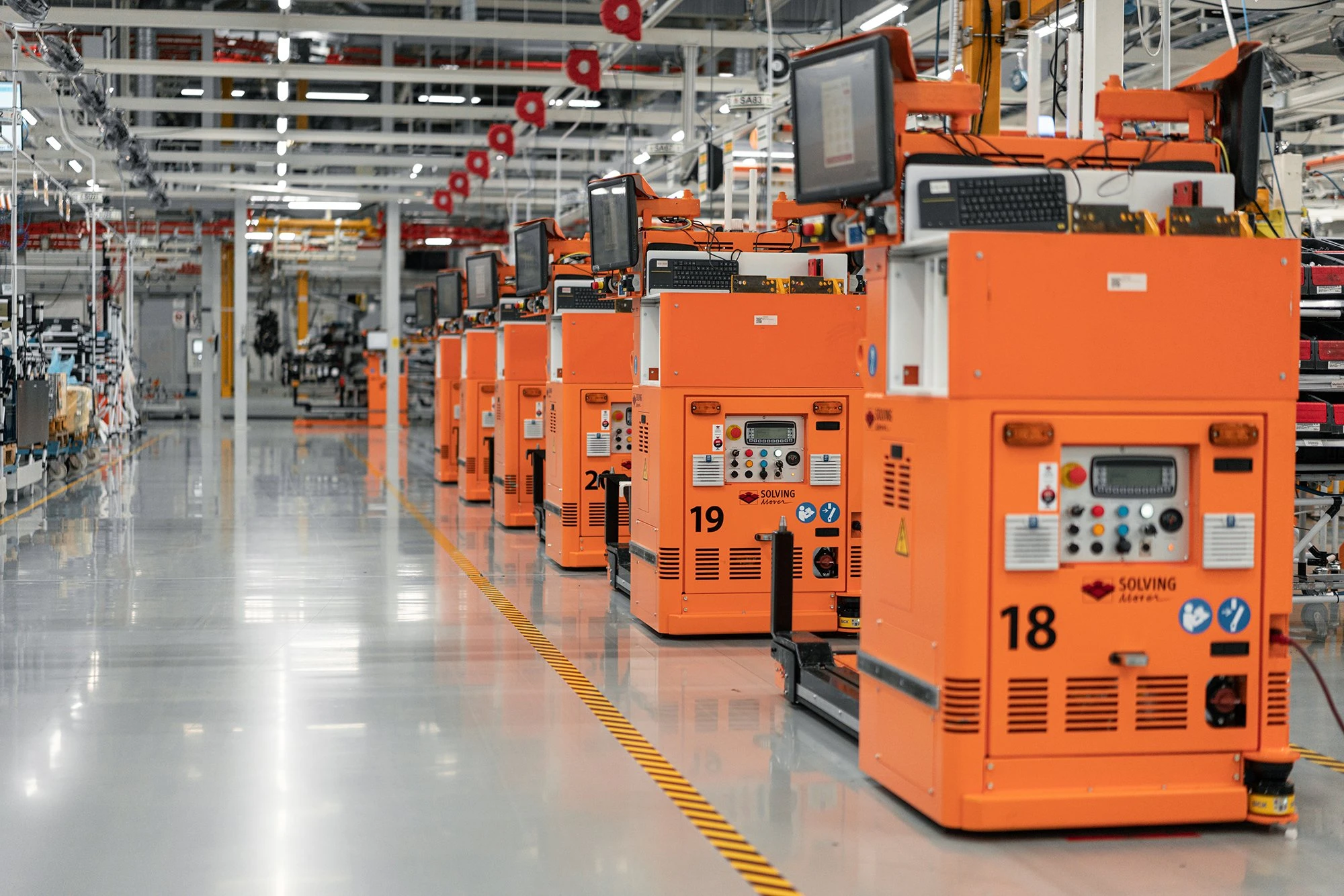
Figure 1: Professional diesel generator production facility showcasing clean assembly environment and systematic manufacturing processes. Modern facilities with organized production lines indicate commitment to quality standards and operational excellence—key factors when evaluating Chinese diesel generator manufacturers.
Critical Factors for Evaluating Generator Manufacturers
Engine Brand Partnerships and Component Authenticity
The engine is the heart of any genset. Top diesel generator OEM services providers maintain formal partnerships with globally recognized engine manufacturers:
- Cummins: Known for reliability and global service networks; genuine Cummins engines come with serial numbers and certification documents
- Perkins (UK): Popular for European market compliance; Perkins-powered units often target CE certification
- Deutz (Germany): Robust air-cooled and water-cooled options for demanding environments
- Weichai (China): China’s largest engine manufacturer with vertically integrated capabilities, producing gensets from 15 kVA to 4125 kVA across WP and M-series families
Counterfeit engines and components plague the low-end market. I’ve encountered “Cummins” generators using reverse-engineered copies or refurbished engines sold as new. Verify engine authenticity by:
- Requesting engine serial numbers and validating them with the manufacturer
- Checking for genuine engine data plates with proper branding and regulatory markings
- Asking about parts sourcing—authentic engines come with traceable supply chains
- Requesting test reports showing engine performance characteristics
Tesla Power builds its reputation on genuine engine partnerships, providing full documentation chains from engine manufacturer through final assembly testing.
Production Scale and Technical Capabilities
Production capacity signals both financial stability and engineering maturity. During evaluations, assess:
Power range breadth: Can the manufacturer cover your needs from small portable units to large industrial systems? A power generation equipment manufacturer offering 10 kVA to 3000+ kVA demonstrates comprehensive capabilities.
Customization engineering: Beyond standard configurations, can they modify enclosures, integrate ATS (automatic transfer switches), or design containerized solutions? Custom projects require in-house engineering teams, not just assembly workers.
Testing infrastructure: Load bank testing is non-negotiable. Manufacturers should demonstrate:
- Resistive load banks for full-power validation
- Continuous run tests (typically 4-24 hours depending on rating)
- Voltage, frequency, and harmonic distortion measurements
- Temperature and vibration monitoring
When I toured a leading standby generator supplier China facility, they ran every single unit at 100% rated load for minimum eight hours while recording 47 different parameters. That’s the standard separating quality manufacturers from assemblers.
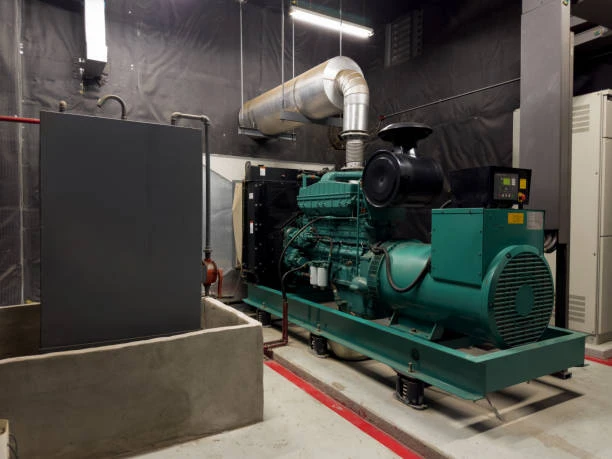
Figure 2: Industrial diesel generator installation demonstrating robust design and professional integration. Quality manufacturers ensure proper exhaust systems, control panels, and installation support—critical factors affecting long-term reliability and maintenance efficiency.
After-Sales Support and Warranty Structure
A generator purchase isn’t transactional—it’s a 10-20 year relationship. Evaluate after-sales capabilities:
Spare parts availability: Do they maintain parts inventory? Can they ship critical components within 48-72 hours? A comprehensive parts catalog with clear pricing prevents costly downtime.
Technical support structure: Is technical assistance available via phone, email, or video? Time zone differences matter—manufacturers serving global markets often have multilingual support teams.
Warranty terms: Standard warranties range from 12-24 months or 1000-2000 operating hours. Look for:
- Clear warranty coverage scope (what’s included/excluded)
- Warranty claim processes and typical resolution timelines
- Options for extended warranties or service contracts
- Local service partners in your region
Reputable suppliers like Tesla Power establish regional service networks or partner with local distributors, ensuring customers aren’t stranded with equipment issues thousands of miles from the factory.
Tools and Resources for Factory Due Diligence
Factory Audit Checklists
A systematic audit approach prevents overlooking critical quality indicators. My standard checklist includes:
Documentation review:
- ISO 9001 certificate (verify accreditation body legitimacy via IAF or national accreditation databases)
- ISO 8528 / GB/T 2820 compliance statements in technical literature
- Engine brand authorization letters or partnership agreements
- Recent third-party test reports (ideally within past 12 months)
Production floor observations:
- Organized workflow with clear process demarcations
- Calibrated measuring equipment with current certification stickers
- ESD (electrostatic discharge) controls for electronics assembly
- Material traceability systems (lot tracking, batch codes)
- Cleanliness standards appropriate for precision assembly
Testing infrastructure:
- Load bank capacity matching highest-rated products
- Data acquisition systems recording test parameters
- Controlled environment for temperature-sensitive testing
- Documented test procedures aligned to standards
You can conduct audits personally or engage third-party inspection services. Companies like SGS, Bureau Veritas, or TÜV offer pre-shipment inspection and factory capability audits for $500-2000 depending on scope.
Certification Verification Systems
Don’t take certificates at face value. Verify legitimacy through official databases:
- ISO certifications: Check the issuing body against the International Accreditation Forum (IAF) member list. Non-accredited certifications are worthless.
- Engine authenticity: Cummins, Perkins, and other engine manufacturers provide serial number verification services. Call their regional offices or use online portals.
- Product certifications: CE, UL, CSA, and other regulatory marks can be verified through official registries or the certifying body directly.
When Tesla Power presents certifications, they include QR codes linking to verification databases—transparency that builds confidence.
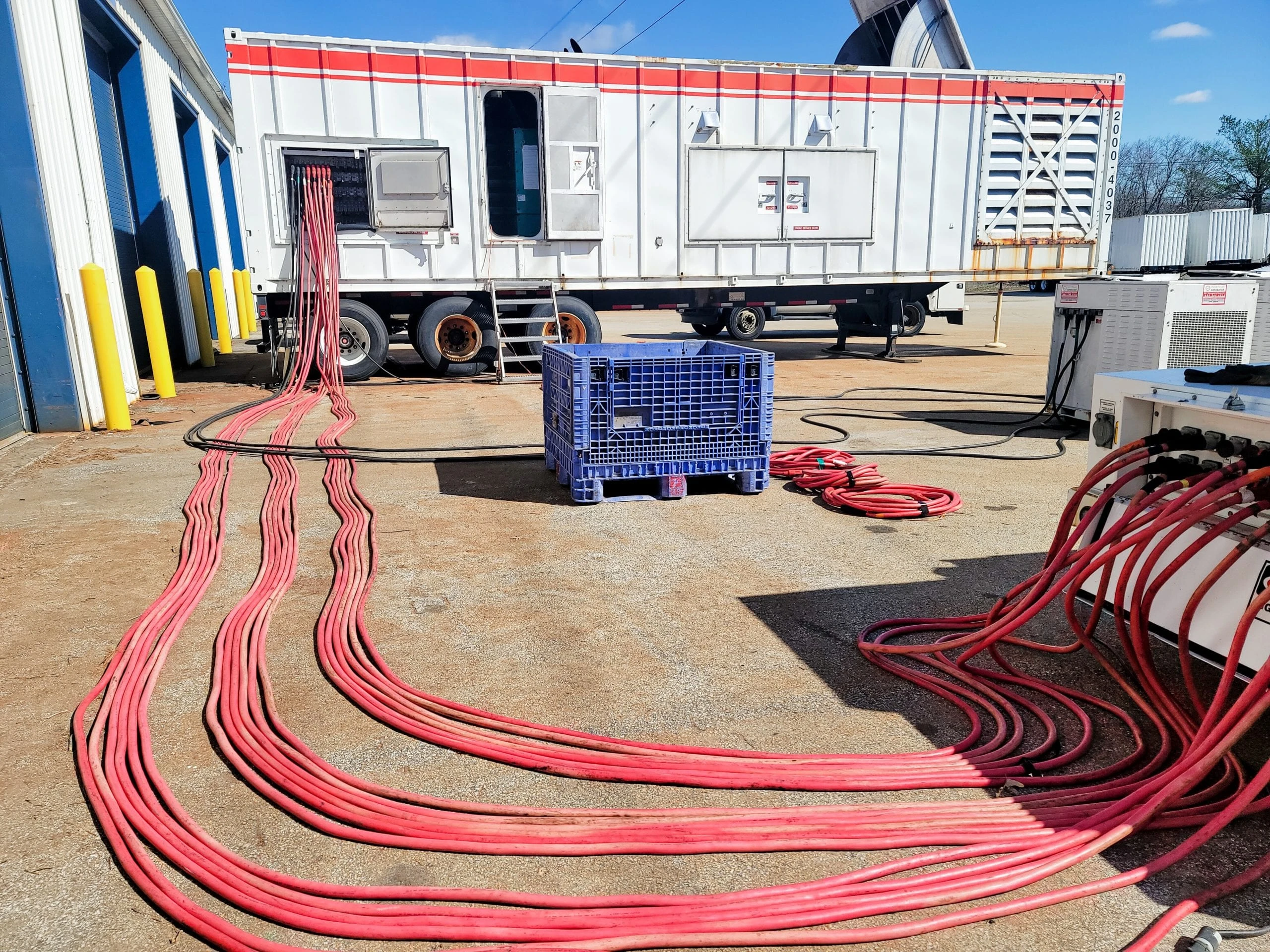
Figure 3: Professional load bank testing setup demonstrating comprehensive quality validation processes. Manufacturers investing in proper testing infrastructure and full-load validation cycles deliver more reliable products than those relying on basic start-up checks.
Supplier Questionnaires and Reference Programs
Before committing to factory visits, screen candidates with detailed questionnaires covering:
- Production volume and capacity utilization
- Customer base breakdown (domestic vs. export percentages)
- Major clients or projects (request references)
- Technical staff qualifications and headcount
- R&D capabilities and new product development processes
- Quality incident rates and corrective action systems
Request customer references, particularly from your region or industry. Speaking with existing customers reveals real-world experiences with product reliability, communication effectiveness, and problem resolution.
Red Flags and How to Avoid Low-Quality Suppliers
Warning Signs During Evaluation
Certain behaviors signal trouble. Walk away or proceed with extreme caution if you encounter:
Vague or generic documentation: Specification sheets without ISO 8528 references, missing engine serial numbers, or certificates without accreditation body details suggest shortcuts or misrepresentation.
Resistance to factory visits: Legitimate manufacturers welcome audits (advance scheduling appreciated). Suppliers who deflect, delay, or outright refuse access likely hide quality issues.
Unrealistic pricing: Prices 40-50% below market rates can’t support genuine components and proper testing. Someone — usually the customer — pays the price later through failures or hidden costs.
Poor communication responsiveness: If getting answers during the courtship phase is difficult, imagine dealing with warranty claims or technical issues after the sale.
No customer references: Established manufacturers gladly provide references. “Confidentiality” excuses for zero references suggest a problematic or non-existent customer base.
Inconsistent branding: Multiple company names, shifting contact details, or unclear corporate structure indicates instability or deliberate obfuscation.
Due Diligence Non-Negotiables
Protect your investment with these essential steps:
- Verify business legitimacy: Check business registration, export licensing, and credit reports through services like Dun & Bradstreet or local Chinese business databases.
- Insist on sample testing: Order a single unit for comprehensive testing before committing to volume orders. Full-load, extended-run testing reveals quality issues.
- Use staged payment terms: Never pay 100% upfront. Standard terms are 30% deposit, 70% before shipment after inspection confirmation.
- Engage third-party inspection: Independent pre-shipment inspection ($300-800 per visit) provides objective quality assessment before you accept goods.
- Secure clear warranty terms: Get warranty commitments in writing with defined processes, response times, and dispute resolution mechanisms.
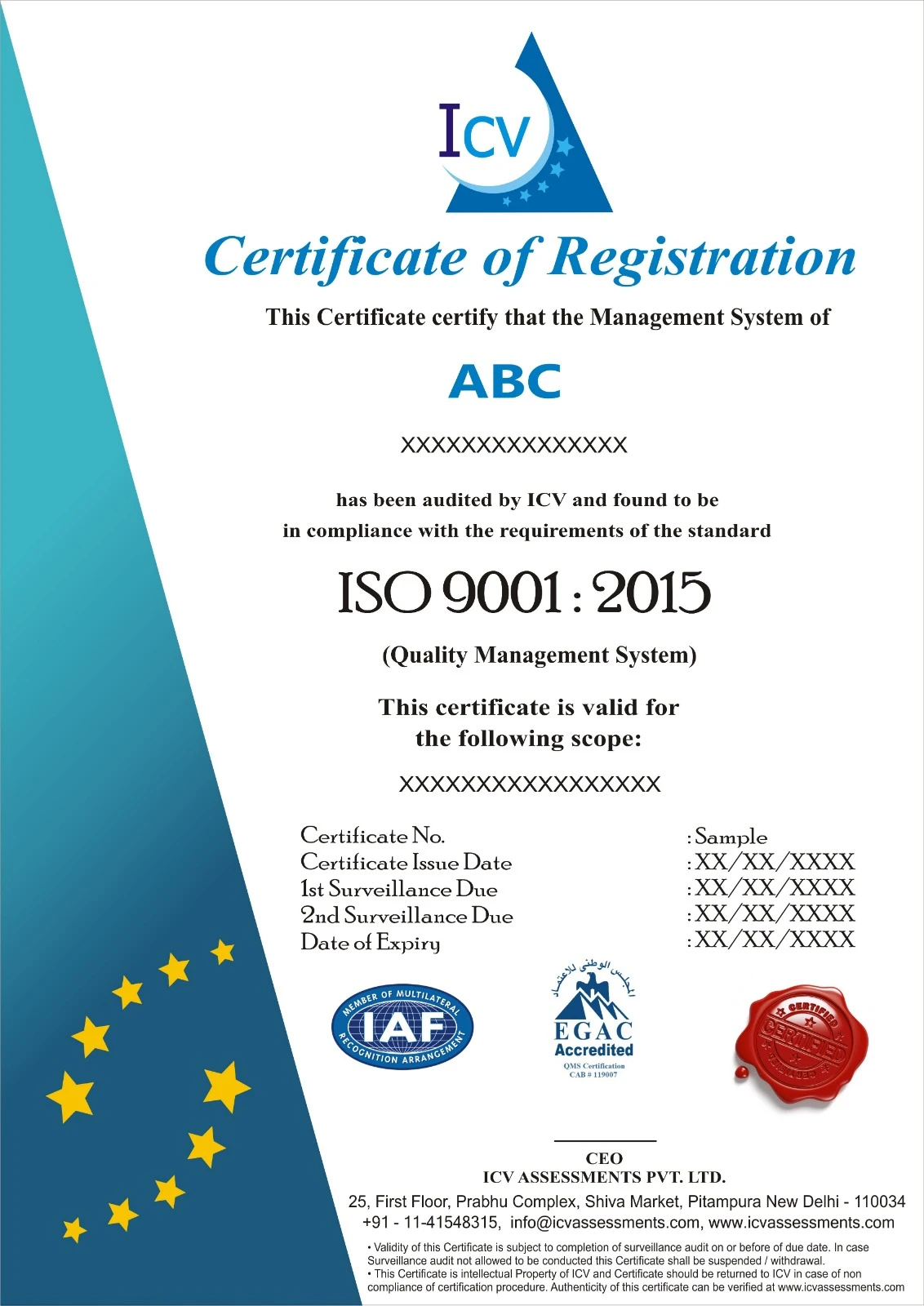
Figure 4: Example of ISO 9001:2015 certification documentation showing proper accreditation markings and compliance details. Always verify certification authenticity through accreditation body databases rather than accepting certificates at face value.
Best Practices for Building Long-Term Partnerships
Clear Communication Frameworks
Cultural and language differences are manageable with structured communication:
- Establish primary contacts: Designate specific individuals on both sides responsible for technical, commercial, and logistics coordination.
- Document everything: Follow verbal discussions with written summaries. Email trails prevent misunderstandings and provide reference points.
- Use visual communication: Technical drawings, photos, and videos clarify requirements better than lengthy descriptions.
- Schedule regular reviews: Monthly or quarterly business reviews maintain alignment on quality expectations, delivery performance, and continuous improvement initiatives.
Manufacturers like Tesla Power often assign dedicated account managers with strong English capabilities and technical understanding, bridging communication gaps effectively.
Collaborative Quality Improvement
The best supplier relationships involve mutual growth:
Share field performance data: When generators perform well (or experience issues), provide feedback. Quality manufacturers use this data to refine designs and processes.
Participate in product development: If you have specific application requirements, engage early in design cycles. Custom solutions developed collaboratively often outperform off-the-shelf adaptations.
Support capability building: Willing to provide detailed specifications, share industry best practices, or facilitate technical training? Suppliers appreciate customers who invest in mutual success.
Recognize good performance: Positive feedback and business growth for reliable partners reinforces quality commitment and builds loyalty.
Risk Mitigation and Continuous Monitoring
Even with trusted partners, maintain oversight:
- Periodic audits: Annual or biennial factory audits verify sustained quality standards and catch process drift before it impacts product quality.
- Incoming inspection protocols: Don’t skip receiving inspection. Verify specifications, test key parameters, and document any discrepancies.
- Performance tracking: Monitor failure rates, warranty claims, and customer feedback. Trends revealing quality degradation trigger corrective action discussions.
- Dual sourcing consideration: For critical applications, qualify a secondary supplier. While loyalty benefits primary partners, backup options provide leverage and continuity.

Figure 5: Skilled technicians conducting quality control inspection in modern manufacturing facility. Investment in trained personnel and systematic quality procedures distinguishes professional manufacturers from budget-tier assemblers focused solely on production volume