
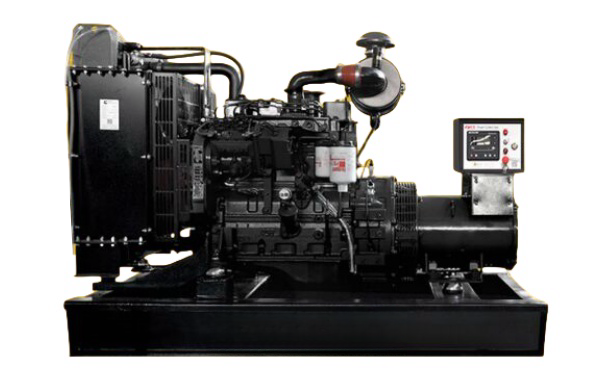
Small standby diesel generator projects can still fail when the RFQ is too short. A 20 kW to 60 kW enquiry should confirm the essential loads, phase, voltage, frequency, automatic start requirement, noise expectation, fuel plan, and maintenance access before the supplier recommends a set.
What buyers should know first
For small facilities, the most useful first step is deciding which loads are essential. Lighting, IT equipment, pumps, doors, security systems, and selected HVAC loads may not all need to run together. Use the site reference on industrial backup generator sizing to organize the load list.
Small-facility RFQ table
| Question | Why it matters | What to send |
|---|---|---|
| Single phase or three phase? | Affects alternator and panel configuration | Voltage, phase, frequency, and breaker rating |
| Which loads are essential? | Prevents oversizing and weak starting performance | Load list with kW or current values |
| Automatic start needed? | Defines controller and ATS scope | Mains supply details and transfer requirement |
| Where will it sit? | Affects enclosure, exhaust, cooling, and noise | Outdoor or indoor location photos |
| How long must it run? | Guides fuel tank and service planning | Expected outage duration and refill plan |
Related product reference
A useful live product reference is the 20 kW to 50 kW Cummins soundproof diesel generator set with ATS option. Use this as a configuration example, then confirm the exact rating and accessories against your essential-load schedule.
Common configuration mistakes
- Sizing from the main breaker rating instead of the actual essential loads.
- Requesting auto start without giving mains voltage and ATS installation details.
- Ignoring exhaust direction, radiator airflow, and service door clearance.
- Choosing soundproof enclosure without stating where the unit will be installed.
- Forgetting battery charger, coolant heater, alarm output, or remote monitoring needs when the site is unmanned.
Before requesting a quotation
Send a short load table, site photos, voltage and frequency, required enclosure type, ATS requirement, runtime expectation, and any unmanned-site alarm requirements. Ask the supplier to identify what is included in the accessory list so the site team can prepare cables, foundation, and ventilation.
Questions purchasers often ask
Can a small generator start pumps or compressors?
It can if the starting current and starting method are included in the sizing review. Do not rely only on running kW.
Is soundproof enclosure required outdoors?
Often yes, but confirm the noise expectation, weather exposure, and maintenance access before choosing the enclosure.
Should small standby sets include ATS?
Use ATS when automatic transfer is required. For manual backup, a simpler connection may be acceptable if the site electrician approves it.
What frequency should export buyers specify?
State 50Hz or 60Hz based on the destination site and connected equipment. The generator cannot be selected correctly without it.
What is the best first document to prepare?
A one-page essential-load list with voltage, phase, running kW, starting method, and expected operating hours is usually enough to begin.