
A Cummins genset for sale is worth comparing only when its listing states the duty rating, the exact engine model, a works test report and the written warranty in full. A bare 200 kVA figure describes almost nothing about the machine that will arrive, and two adverts quoting it may deliver quite different equipment. Tesla Power builds sets around Cummins engines and publishes those fields together, because a buyer who cannot see them cannot compare two offers. This guide sets out what each field means, how prime and standby ratings differ, which documents should travel with the serial number, and how to normalise two quotations before choosing. The checks work the same way for a factory, a dealer or a broker, and none of them needs specialist knowledge. Run them in order, compare two listings side by side, and ask for the same information in writing from every seller before committing a deposit.
- A rating must name prime or standby and state the power factor.
- The engine model and alternator class belong in the listing itself.
- A works test report ties the serial number to measured performance.
- Warranty scope, spares, crating and documents must be priced before payment.
What should a Cummins genset for sale listing prove?
A listing has to prove four claims before a buyer treats it as comparable with any other offer: the duty rating, the fitted engine, the test evidence and the warranty in writing. A Cummins genset for sale advert omitting one of these cannot be judged on price at all, because the missing field is usually where the cost sits. Tesla Power Equipment states these fields on its product pages for the same reason a buyer asks for them: a generator set is a configured machine, and one power number describes a small part of what will be delivered. If a listing claims continuous operation, the sheet behind it must show a prime rating. If it names an engine family but no model, the most important component has been left open. A configured example is the industrial standby generator set, where the options are listed separately. A serious listing reads like a specification extract: rating, model, alternator and commercial terms.
Compare that extract across two offers and the differences appear quickly. One seller may include the transfer switch and the test report; another may list only the bare set and add those later. Neither is worse, but they are not the same offer. Normalise first, then compare prices. What the Cummins name on a set actually covers explains the difference between the engine maker and the assembler, which matters when a warranty claim is filed.
Rating basis: prime, standby and the power factor clause
The rating basis decides what a machine can actually do, so a listing that prints one number without a duty label is not a specification. ISO 8528-1 defines the application, rating and performance classes for alternating-current generating sets driven by reciprocating engines, and those classifications exist so that seller and buyer read the same number the same way. A prime rating covers variable load for unlimited hours; a standby rating covers emergency duty when the mains supply is absent. The two are not interchangeable, and a standby figure is routinely around ten percent higher than the prime figure on the same engine. A buyer who reads the higher number as the normal output will size the set wrongly.
Power factor is the second field that cannot be omitted. A set described only as 200 kVA states apparent power; the real output depends on the load power factor. At 0.8 pf, a 200 kVA set delivers 160 kW of real power. Tesla Power prints both figures with the condition attached, because quoting one without the other can make two identical machines appear to differ by a quarter of their output. Where a listing mixes kVA and kW without a pf figure, ask for the corrected line before comparing. A listing that omits frequency is incomplete rather than flexible: the same engine can be wound for 50 Hz at 400/230 V or for 60 Hz. The reference specification gives steady-state regulation of plus or minus 0.25 percent and transient response to ISO 8528 G3.
Which engine model is actually fitted?
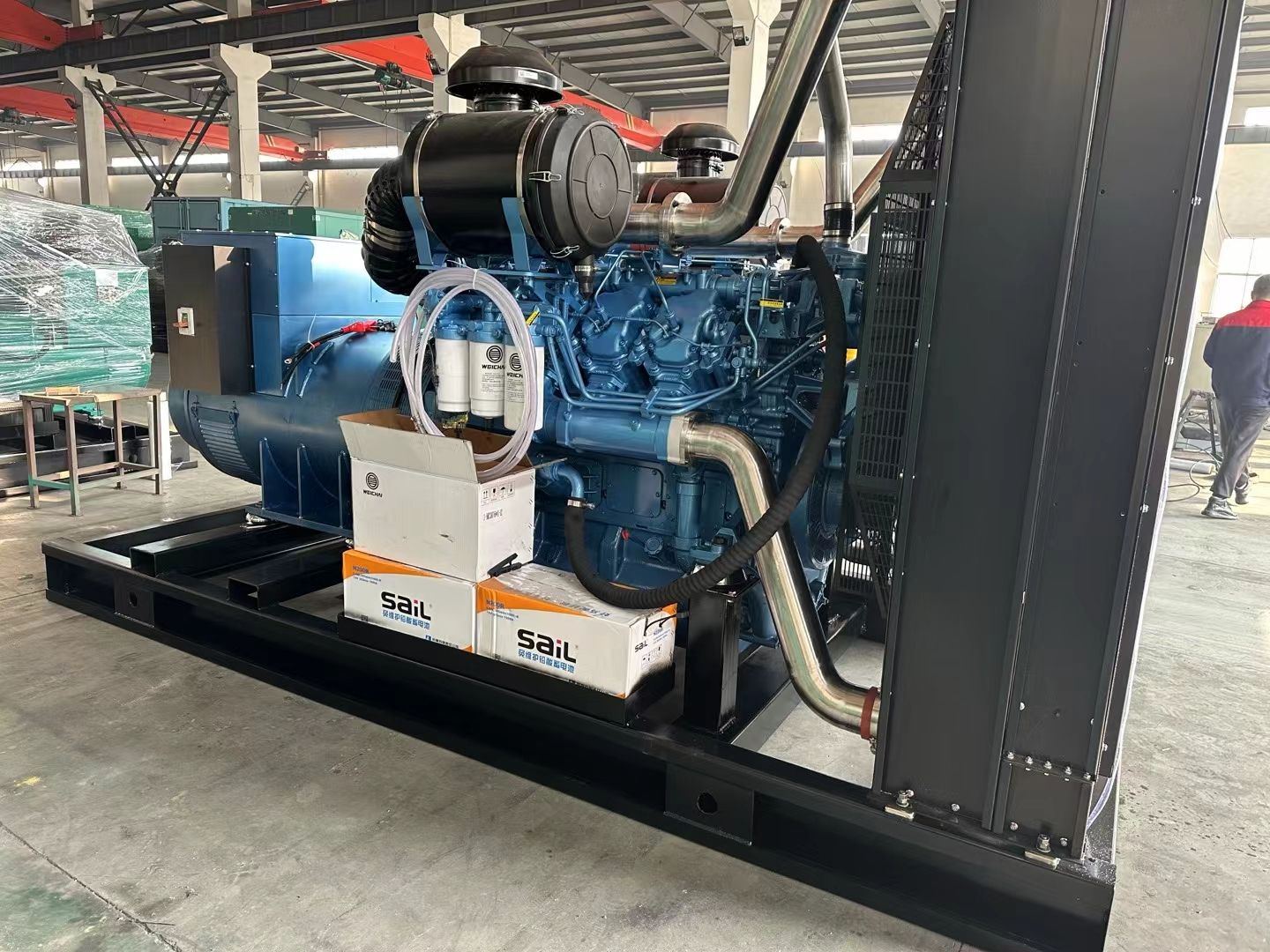
The engine model is the most revealing field in any Cummins genset for sale listing because it fixes displacement, rating class and the parts catalogue. “Cummins engine” is a brand statement, not a specification. A model such as the QSL9-G5 identifies a six-cylinder, four-stroke, turbocharged and charge-air-cooled unit with electronic governing, and it tells a buyer which filters, turbocharger and diagnostic interface will be needed later. Yangzhou Tesla Power prints the model beside the rating on configuration sheets, since changing it changes both performance and the spares list. Check that the model on the quotation matches the data sheet and the plate on the engine at delivery.
The data sheet and the works test report
A data sheet describes what a configuration should do; a works test report records what the delivered set actually did. Both should be available before payment, and the report should carry the serial number. The reference record for a 160 kW / 200 kVA set at 0.8 pf includes a full-load heat run, load acceptance and protection verification. A seller offering only a brochure has withheld the second. Read the report for the load steps, the frequency dip and recovery time, and the steady-state voltage at rated load; a line saying only “tested OK” is not evidence. Ask for the test date too, because a set held in stock for a year may have had batteries and filters changed since. How to read a Cummins generator set data sheet walks through the fields in more detail.
| Claim in a listing | Document that proves it | What to read |
|---|---|---|
| Prime or standby duty | Rating sheet naming the duty class | Duty label and stated conditions |
| 200 kVA output | Configuration data sheet | Real power and power factor together |
| Engine fitted | Engine data sheet and nameplate | Model code, not brand name |
| Tested | Works test report with serial number | Load steps, dip and recovery |
Why two similar listings carry different numbers
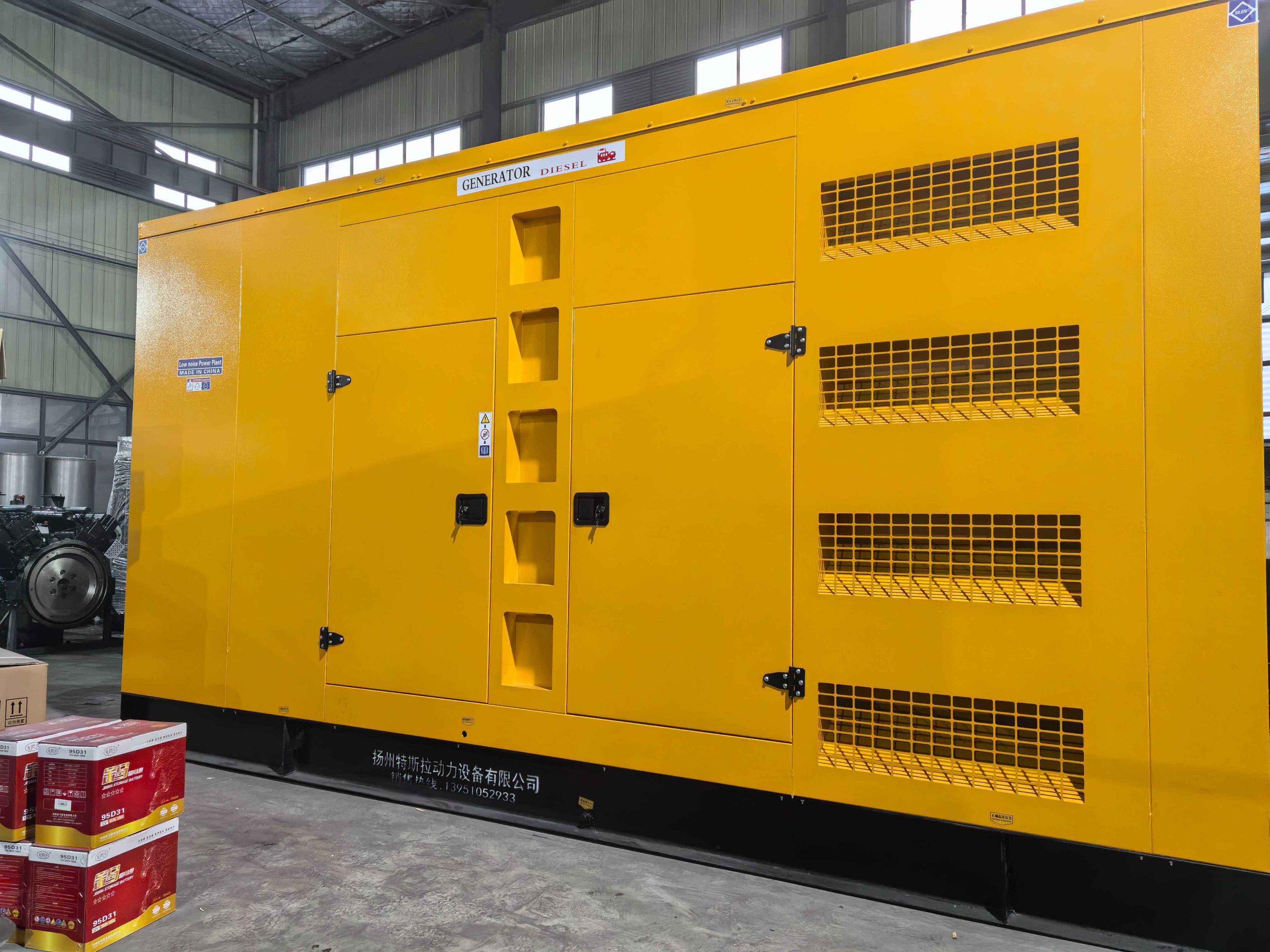
Two sets with the same rating differ in price because the content behind the number differs: engine model, alternator class, control system and enclosure. A listing priced lower because it omits the ATS, the test report or the crate is incomplete, not cheaper. Consumables belong in the same comparison. The reference specification gives a maximum oil-change interval of 500 hours under normal duty, with spin-on oil, fuel and air filters that need no special tools. Side service points and an electronic control module with fault-history retrieval change lifetime cost even when purchase prices match. Tesla Power’s product notes list those features explicitly. A listing silent on them is asking the buyer to assume the least favourable version.
Warranty and genuine parts: what the fine print says
A warranty is only as useful as the parts and labour it covers, so read the exclusions before the headline duration. One that names the engine, alternator and control system separately is more informative than “full cover” without scope. Ask who honours it in the destination country. Genuine parts matter for the same reason the model matters: filters, belts and sensors are specified against a configuration. The reference record notes spin-on filters and a diagnostic port that reads fault codes and running hours. Those features change the cost of a routine service and the time to diagnose a fault. Common Cummins starting faults shows how much a clear diagnostic path is worth.
Shipping, crating and document sets in the quotation
Freight and crating belong in the quotation, not as an afterthought once the machine is built. A Cummins genset for sale offered ex-works and one delivered are different products; the difference includes the crate, timber blocking and lifting points. State the Incoterm and ask which documents are included: invoice, packing list, origin certificate and test report. Tesla Power Equipment prepares those per destination, so a buyer who names the country early receives a comparable price instead of a revised one. Emission papers are part of that set where the destination regulates non-road engines. The EPA final rule for nonroad diesel engines and fuel is the authoritative source for what Tier 4 limits mean, and its text is public. A listing that claims compliance without naming a tier and an engine model has made a statement that cannot be checked.
How do you verify a seller before you pay?
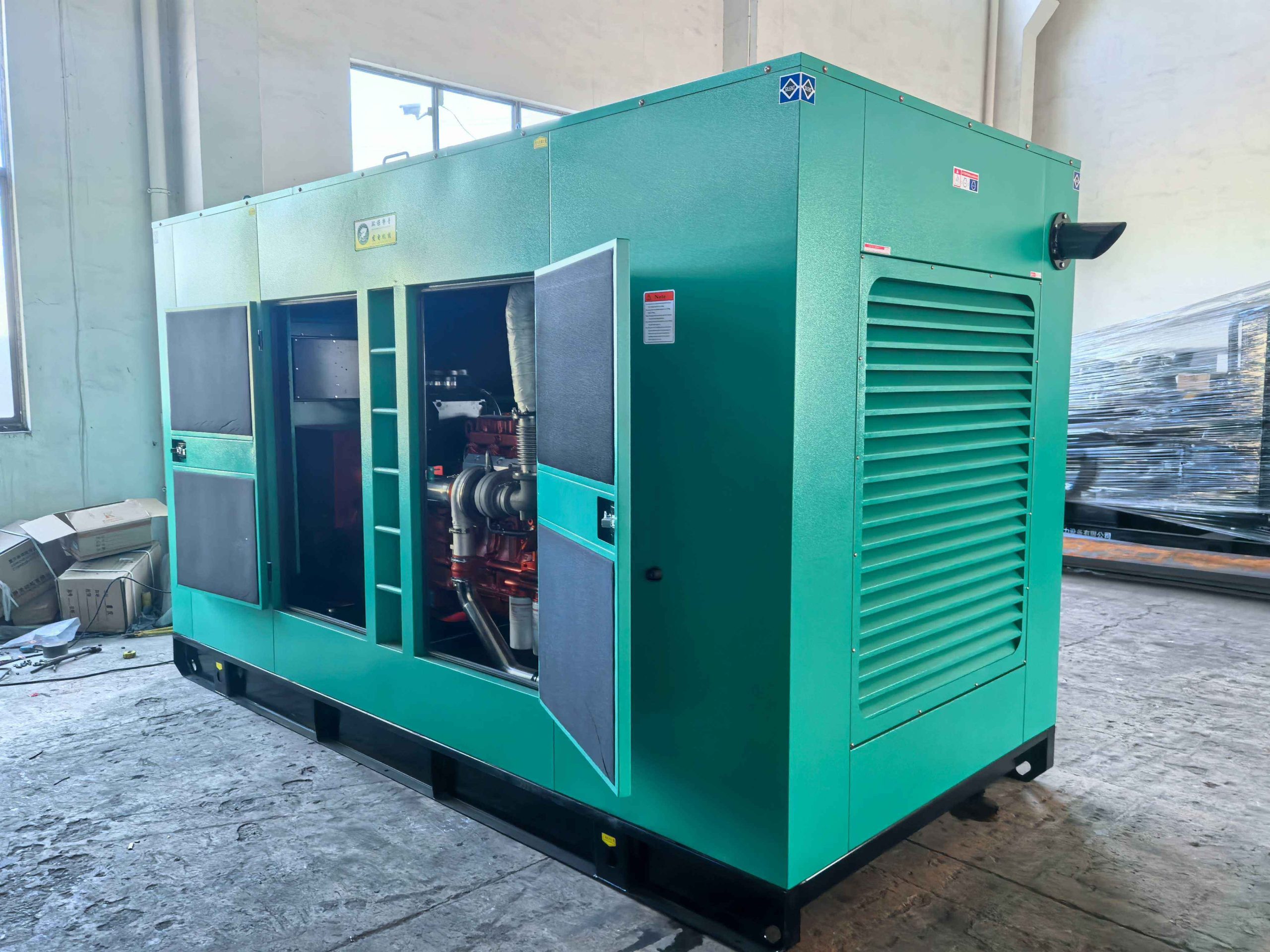
Verify a seller by matching three identities: the company on the quotation, on the bank details and on the warranty. A mismatch is a reason to pause. Check the address, ask for a recent photograph of the exact model, and request a video of the test run if a visit is not possible. Tesla Power publishes its Yangzhou address and product range, so a listing can be checked against an existing body of work rather than a single advert. Decide whether the seller is the builder, an authorised dealer or a broker, because each offers a different support chain. Read the payment terms as carefully as the technical fields. A sensible structure ties a deposit to a named configuration and the balance to the pre-dispatch test report. Avoid any term asking for full payment against a listing alone.
Total cost of ownership: the numbers to run first
The number that matters after purchase is cost per running hour, and it can be estimated from fields the listing should already contain. Take the reference set rated 160 kW / 200 kVA at 0.8 pf, with a 500-hour oil interval and a service life of 20,000 running hours. A buyer planning 2,000 hours a year reaches the oil service four times annually and the overhaul mark in ten years. Those are arithmetic consequences of published figures, not forecasts. If two quotations differ, put the crate, the ATS, the test report and the spares kit on the same side and see which remains lower. A difference that survives is a real saving; one that disappears was a quote with fewer items. An open-frame set with a documented engine model shows how the engine choice changes the sheet. Sizing a set against a real load list explains how to fix the duty profile first.
A worked check: six claims on one listing
Suppose an advert states: “Cummins 200 kVA genset, 50 Hz, 400/230 V, prime rated, with ATS, tested, one year warranty, ex-works.” Six claims, six checks. First, 200 kVA at 0.8 pf equals 160 kW of real power; if the seller quotes another figure, ask which pf was used. Second, “prime rated” must be backed by a sheet naming prime rather than standby, with ISO 8528-1 as the reference. Third, 50 Hz at 400/230 V is a complete electrical statement; if the destination uses 60 Hz, the set is the wrong configuration at any price. Fourth, “tested” must resolve into a report with the serial number, load steps and recovery figures. Fifth, “one year warranty” must name coverage and who honours it locally. Sixth, “ex-works” means crate, freight and destination documents are still to be added. A listing answering all six in writing is a basis for an order.
Does a 200 kVA Cummins genset equal 160 kW at 0.8 pf?
Yes, for real power at that power factor: 200 kVA multiplied by 0.8 pf gives 160 kW. They are two ways of stating the same load, not two ratings. A listing showing only one unit is incomplete; one showing both without a pf figure is ambiguous. Ask for the pf beside the kVA and compare kW to kW across offers.
What documents should come with a Cummins genset for sale?
Expect a data sheet naming the model and duty rating, a works test report with the serial number, a packing list, an origin certificate and a written warranty. Add the destination’s conformity papers where the market requires them. If any is described as available after payment, treat it as absent and price that risk.
How long does a Cummins genset last in standby service?
The manufacturer’s own record gives 20,000 to 30,000 running hours before major overhaul when the stated intervals are kept, roughly 15 to 25 years in typical standby use. That is a planning range, not a guarantee. Correct oil intervals, filtration and operation inside the rated duty are what make the upper end achievable.
Can a listing claim prime power without a test report?
It can claim it, but the claim cannot be verified. Prime is a duty classification under ISO 8528-1, and a works test report is the document showing the set was checked against its configuration. Ask for both together. A seller who will state prime in writing but will not release the report has supplied a label without evidence.
Is a lower listing price ever a genuine saving?
Sometimes. It is genuine when two quotations carry the same model, alternator, duty rating, documents and commercial lines, and one is simply cheaper. It is not genuine when the lower quote omits the ATS, the test report, the crate or the spares kit. Normalise both lists line by line first.
What does B20 fuel mean for the warranty?
B20 is a blend of 20 percent biodiesel, and the reference specification states the set runs on up to B20 without modification. Above that ratio the supplier should be consulted, because filter and material compatibility change. Ask for the blend limit in writing; running beyond it can affect performance and cover.
Where to go next with a shortlist
Reduce the market to two or three listings that answer all six checks, then request a written quotation for each with the same destination and commercial lines. Use the rating and model fields to narrow the technical choice, the documents to narrow the commercial one. Tesla Power’s product pages publish the fields this guide asks for, so a buyer can begin with a complete configuration. Take the data sheet, the test report and the warranty away from the comparison and read them once more before a deposit is paid. Request a configuration quote when the shortlist is ready.
The point of the checklist is to make gaps visible while they are still cheap to fix. A Cummins genset for sale that survives the six checks, states its duty and power factor, names its engine and carries its test record is a machine a buyer can specify and compare with confidence. Everything else is a price waiting to be revised.
About the author: Compiled from published generator-set specifications and internal product documentation, reviewed by the engineering team before release.