
What buyers should know first
Standby diesel generators may run only during outages or periodic tests, but oil, coolant, filters, belts, hoses, and batteries still age. Buyers should include maintenance access and document expectations in the RFQ, not wait until the set arrives on site.
For Yangzhou Tesla Power Equipment Co., Ltd., the useful RFQ usually starts with load size, duty rating, site conditions, voltage and frequency, enclosure style, control requirements, and the documents the purchaser needs for project approval.
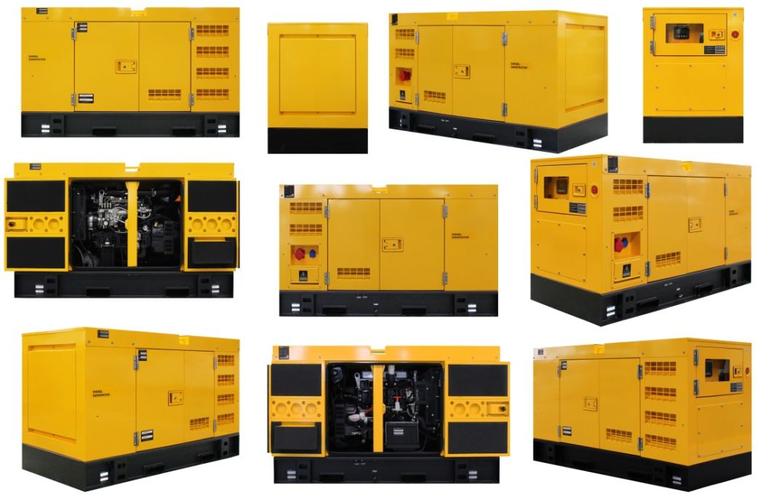
In practice
A practical quotation discussion connects the generator package to the maintenance routine. The purchaser should confirm access around filters, drain points, radiator cleaning, coolant top-up, record keeping, and the spare parts list for the first maintenance period.
| Maintenance item | What to check | RFQ detail |
|---|---|---|
| Engine oil | Oil grade guidance and drain access | Manual and service interval reference |
| Coolant | Coolant type and radiator access | Cooling system maintenance notes |
| Filters | Oil, fuel, and air filter access | Spare filter list if required |
| Records | Running hours and test logs | Controller data and handover forms |
Specification points to confirm
- Ask for operation and maintenance manuals with the final document package.
- Confirm service clearance around the engine, radiator, filters, and battery position.
- Define whether spare filters or consumables should ship with the generator set.
- Check whether the site will run weekly, monthly, or project-specific test starts.
- Keep factory test records, controller settings, and commissioning records together.
Common mistakes to avoid
- Treating a standby generator as maintenance-free because it runs less often.
- Placing an open set too close to a wall for oil drain or filter replacement.
- Forgetting radiator cleaning access on dusty or hot sites.
- Not recording test runs, alarms, oil leaks, coolant level, and battery voltage.
Before requesting a quotation
Ask the supplier to separate the generator set scope from the site installation scope. The generator quotation can normally define the set, enclosure or frame, control panel, breaker, radiator arrangement, silencer, batteries, drawings, and test documents. Civil works, fuel piping, exhaust duct routing, cables, and local approval items should be checked with the site contractor unless they are explicitly included.
- Expected standby test routine and approximate annual running hours.
- Open, silent, weatherproof, or containerized package arrangement.
- Site temperature, dust level, and maintenance space restrictions.
- Request for spare filters, belts, manuals, and maintenance record forms.
- Required language for manuals and document package if the importer needs it.
Related products and technical notes
Related generator examples can be reviewed on <a href="https://www.tesladieselgeneratorset.com/products/cummins-engine-6bta5-9-g2-100kw-to-400kw-diesel-generators-with-ats-125kva-to-500kva-power-genset-230v-240v-rated-voltage/">this diesel generator product page</a>. Purchasers comparing project requirements can also read <a href="https://www.tesladieselgeneratorset.com/diesel-generator-cooling-system-checks-high-ambient-sites/">cooling system checks for high ambient sites</a> before sending the final RFQ.
Questions purchasers often ask
Does a standby diesel generator still need regular maintenance?
Yes. Low running hours do not remove the need to inspect oil condition, coolant level, filters, belts, hoses, charger, battery, and control alarms.
Should spare filters be included in the first shipment?
For remote sites or export projects, many buyers request a basic spare filter set. The exact list should match the engine and maintenance plan.
What affects coolant planning?
Ambient temperature, radiator arrangement, service access, coolant type, and operating hours all affect maintenance planning.
Who sets the maintenance schedule?
The engine manual and project operating plan should guide the schedule. The site operator should also keep running-hour and inspection records.