
A Cummins brand generator set combines a genuine Cummins engine with an alternator, controls and enclosure that a separate assembler builds and tests. That distinction is the whole answer to what the name on the badge certifies: the engine is Cummins, the complete set is a collaboration. Yangzhou Tesla Power Equipment Co., Ltd. works inside that reality, matching the engine to a frame rather than pretending the logo covers every component. A 200 kVA set at 0.8 pf delivers 160 kW of real power, and that conversion is the first number a buyer should confirm. This article sets out what the Cummins name does and does not guarantee, how to read the nameplate carrying the rating, which standards give the printed figures meaning, and where the assembler’s responsibility begins. It closes with a worked example you can repeat against any quotation and a short document checklist. The sensible next step is to request the engine serial and the witnessed test record before comparing prices.
- The badge certifies the engine, not the alternator, skid or canopy.
- Prime and standby ratings follow ISO 8528-1, at a stated power factor.
- A 200 kVA set at 0.8 pf delivers 160 kW of real power.
- Always reconcile the nameplate, engine serial and test report.
- Treat a missing serial as a reason to pause the order.
What does a Cummins brand generator set actually include?
A Cummins brand generator set is an assembly built around an engine that Cummins Inc. manufactured, paired with an alternator, a base frame, a control panel and usually an enclosure supplied by a separate packager. The phrase describes the power source, not the ownership of every component. Cummins builds the diesel engine and publishes its ratings; a specialist assembler integrates the running gear and certifies the finished set. Understanding that split prevents the most common buying error: assuming the engine warranty and the set warranty are the same document. The engine warranty and the set warranty are not the same document. The engine carries its own serial and warranty administered through the Cummins dealer network, while the assembler warrants the alternator, controls and workmanship. Tesla Power states this division plainly on its specification sheets so a buyer knows which desk answers which question; sizing a diesel generator starts with the same split.
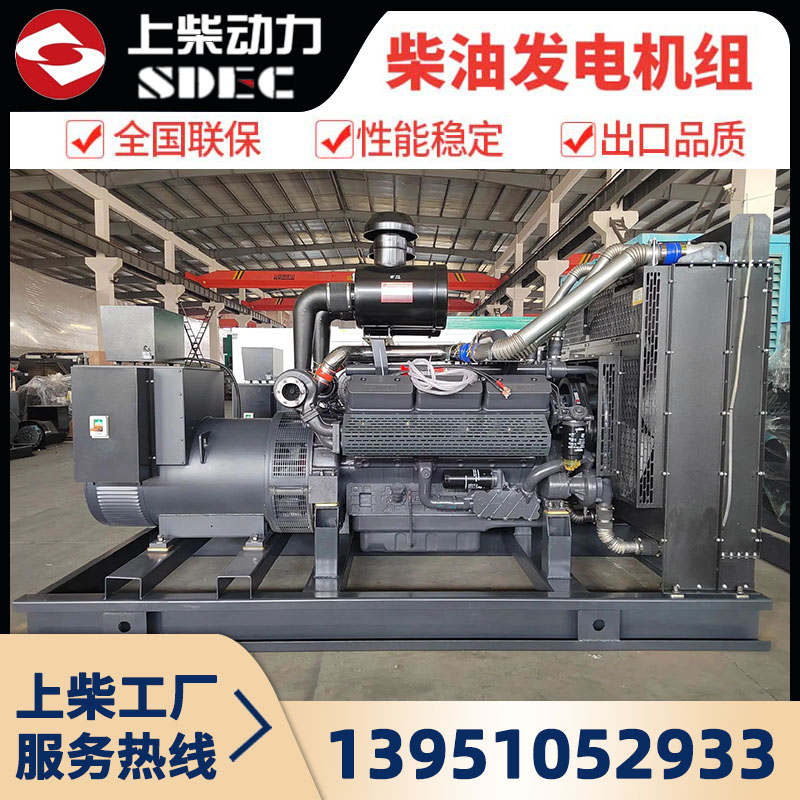
Two sets can both be Cummins machines while differing in alternator quality, cooling design and control logic. A buyer comparing quotations is really comparing the assembler’s choices around a common engine. Ask which engine model sits inside, then who built the frame and what test the unit underwent.
Why the engine badge is not the whole set
The engine badge is the most visible mark on a set, but it identifies only one of four subsystems. The alternator converts shaft power to electricity, the control panel governs start, stop and protection, and the enclosure sets acoustic and cooling performance. None of those three comes from the engine maker. A set described accurately names the engine model, alternator make, controller and enclosure in the same sentence. Tesla Power lists all four because a buyer cannot verify a rating without knowing what converts and controls it.
What the badge does certify
It certifies that the engine inside the frame was produced by Cummins and carries a traceable serial. A dealer can check that serial and reveal the engine’s original rating, build plant and date. Nothing else on the machine is proven by the badge.
How do you read the Cummins nameplate on a set?
Read the nameplate as a statement of conditions, not a single number. A plate that says 200 kVA at 0.8 pf also implies 160 kW of real power, and it should name the duty — prime or standby — plus frequency and voltage. The engine plate sits separately and repeats the model and serial. Yangzhou Tesla Power attaches a photographed copy of each to the shipment file.
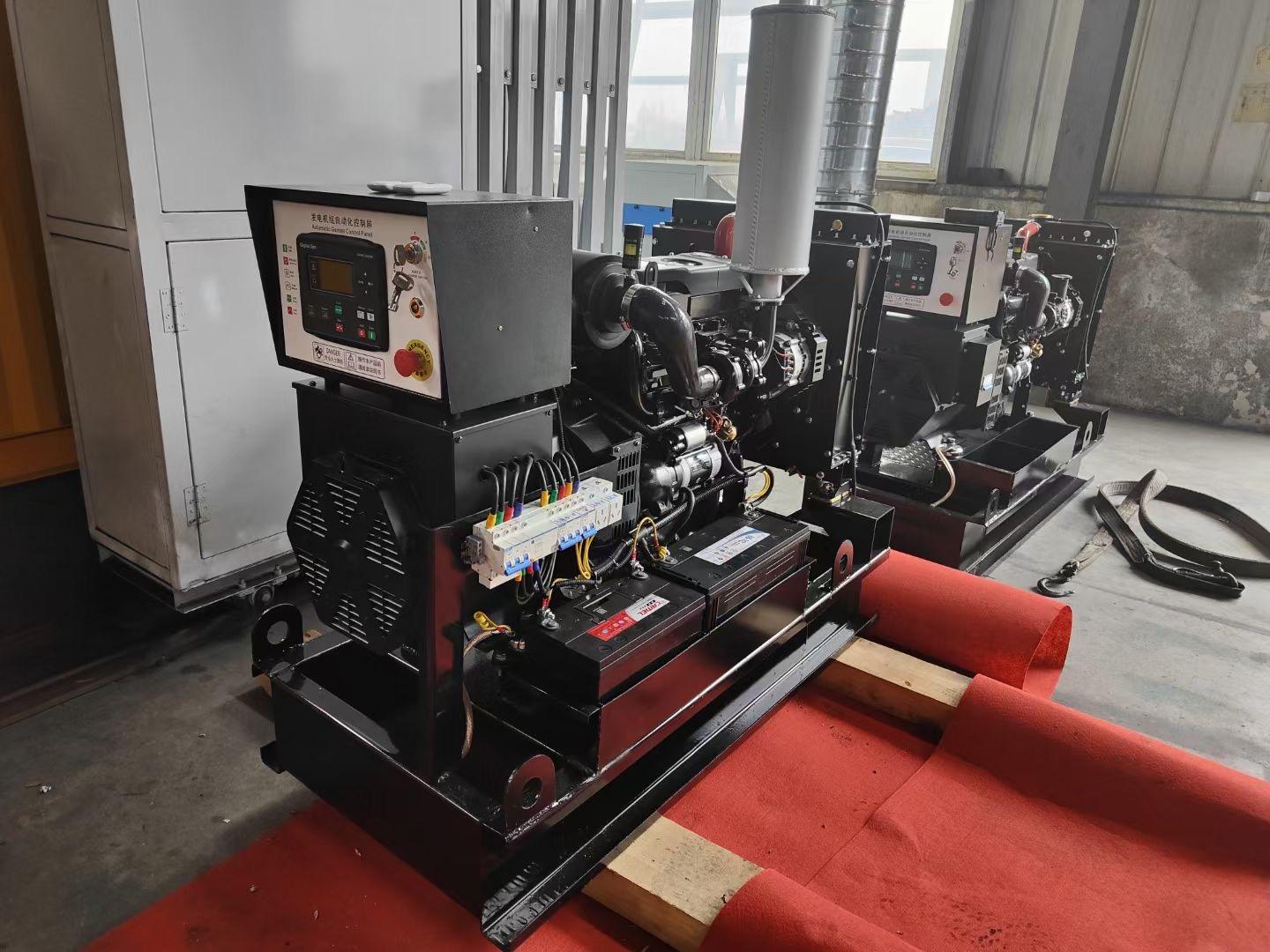
Frequency is the next field to check. A 50 Hz machine and a 60 Hz machine of the same frame are not interchangeable, because the winding and governor are set differently. When a plate lists several voltages, ask which one the factory actually tested.
The rating rules that govern the printed numbers
ISO 8528-1 defines the duty classes that give a nameplate meaning, and a buyer should never accept a rating without being told which class applies. Prime power covers a variable load run for unlimited hours; standby covers an emergency load that does not run continuously. A standby figure quoted as prime overstates the set. Tesla Power prints the duty beside the rating so the comparison stays honest. ISO 8528-5 covers governing behaviour when load steps on or off.
Power factor is the second rule. Apparent power in kVA and real power in kW are connected by the factor, and a set rated at 0.8 pf delivers less usable real power than its kVA figure suggests. A specification that omits the factor is incomplete. NFPA 110 adds requirements for emergency and standby systems where that code applies. The published specification for a Cummins QSL9-G5 set shows the fields in practice: 160 kW / 200 kVA at 50 Hz and 0.8 pf, with prime and standby duty stated separately.
The ISO 8528-1 rating definitions and the NFPA 110 standard for standby systems are the two references worth keeping open while a specification is reviewed. Both are published by the bodies that maintain them, so the clauses have not been paraphrased by a reseller.
Worked example: matching a nameplate to a load
Here is a calculation any buyer can repeat. A set whose plate reads 200 kVA at 0.8 pf delivers 160 kW of real power, because 200 multiplied by 0.8 equals 160. If the site load is 120 kW, the set has 40 kW of headroom before the alternator reaches its rated output. Scaling upward, a 1,000 kW installation at 0.8 pf needs 1,250 kVA of apparent capacity, since 1,000 divided by 0.8 equals 1,250. Both values appear in the approved segment list, so either can be quoted on a specification sheet without a special exemption. The conclusion is simple: always convert apparent power to real power at the stated factor before judging whether a machine covers the load.
The same arithmetic exposes inflated claims. Quoting apparent power and letting a buyer assume it equals real power overstates output by 25 percent at 0.8 pf — enough to leave a facility short during a transfer. Write the conversion into the purchase order so both parties agree on the number. For the load figure itself, see how to size a diesel generator before requesting a quotation.
What the brand covers — and what it does not
The cleanest way to hold a supplier to account is a two-column record: what the engine brand confirms on one side, and what the assembler confirms on the other. Tesla Power uses that split because it maps directly to who answers a warranty call.
| Check | What the Cummins badge confirms | What the assembler confirms |
|---|---|---|
| Engine identity | Model and traceable serial | Matches the order and bill of materials |
| Prime rating | 160 kW / 200 kVA at 0.8 pf | Witnessed test to ISO 8528-1 |
| Alternator | Not covered by the engine brand | Make, insulation class, temperature rise |
| Protection | Engine governor limits | Breaker setting and AVR configuration |
| Enclosure | Not covered by the engine brand | Ventilation design and measured noise |
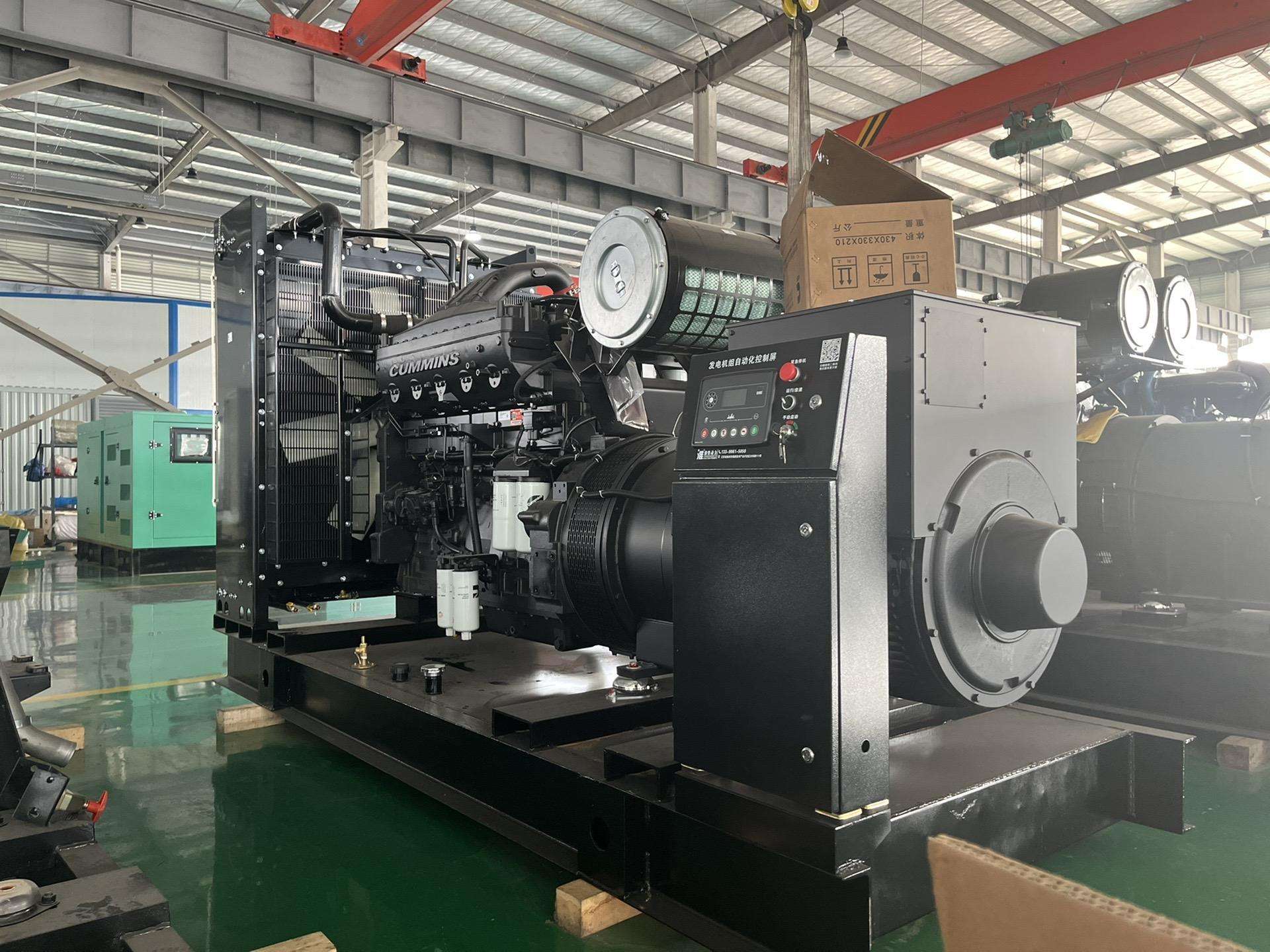
The table makes one point visible: the engine brand narrows a risk but does not remove it. A genuine engine with a poorly matched alternator will still fail a load test. For the fields a complete sheet should carry, read the Cummins generator set data sheet explained.
Why does the paperwork matter more than the logo?
Paperwork outranks the logo because a logo can be applied in a paint shop and a serial cannot be invented without a paper trail. The documents that matter are the engine data plate photograph, the factory acceptance test record, the packing list and the conformity file required by the destination market. Tesla Power keeps these together so a buyer can reconcile engine serial, test date and shipping line in one pass.
The test record should show the set running at load, not merely starting, with measured voltage, frequency and current and the ambient conditions noted. A record listing only a pass mark is close to useless. A certificate of origin and a conformity declaration are separate documents, and neither is replaced by a photograph of the badge.
For an example of how a complete set is documented before shipment at 0.8 pf, the factory direct Cummins set with ATS page shows the fields a specification should expose. A documented 500-hour oil interval and a 20,000 to 30,000 hour overhaul life are useful benchmarks to ask about, because they reveal whether the supplier has maintained the model.
Common mistakes when verifying Cummins branding
Most verification failures come from shortcuts, not from sophisticated fraud. The frequent errors are simple and repeatable, and each has a cheap fix.
- Accepting a photograph of the badge. Ask for the engine serial and check it with a dealer instead.
- Confusing prime with standby. Require the duty class beside every rating on the sheet.
- Ignoring the power factor. Convert apparent power to real power at the stated factor before comparing machines.
- Skipping the frequency check. Confirm 50 Hz or 60 Hz against the site supply.
- Assuming one warranty covers the whole set. Separate the engine warranty from the assembler’s cover.
Each item costs minutes to check and weeks to correct after delivery. The goal is not suspicion for its own sake; it is a clean handover where the machine delivered matches the specification agreed.
Where Cummins branding fits in a purchase decision
The brand is a filter, not a verdict. It narrows the field to sets built around a known engine with a traceable serial and a dealer-backed warranty, a real advantage over an unknown engine. It does not decide the alternator, the control logic or the cooling design, and those are the parts that determine whether the set performs on site.
Ask how long the assembler has built sets around that engine family, which alternator makes it fits and what the factory acceptance test includes. For broader context on sourcing, the Cummins generator set manufacturer guide sets out the questions worth asking at that stage.
How should you verify a set before you pay?
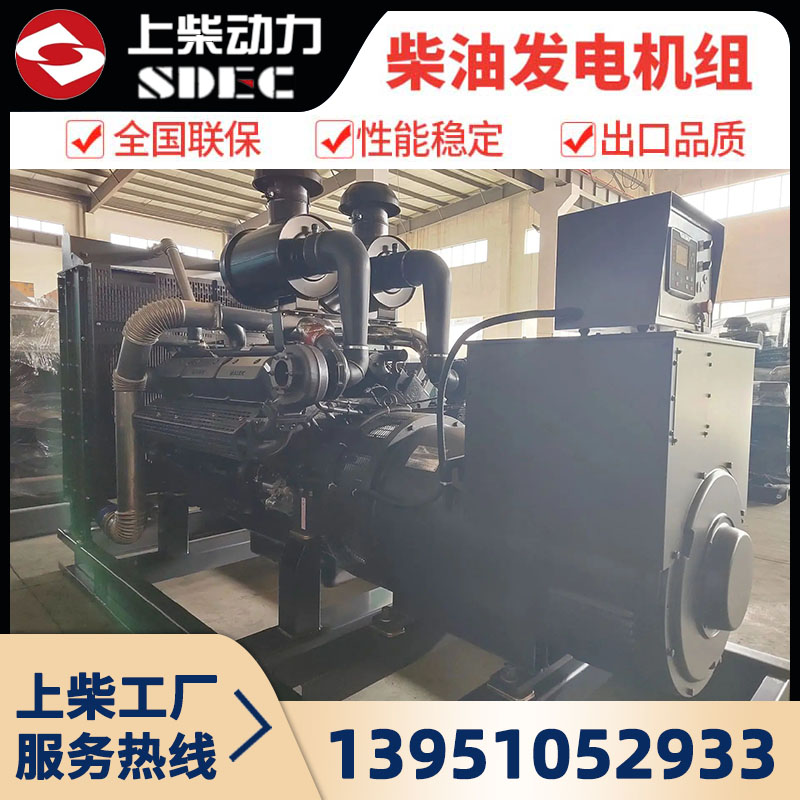
Verify in the same order the machine is built: engine first, then alternator, then controls, then enclosure. Start with the engine serial and confirm it with a Cummins dealer. Move to the alternator make and insulation class, then the controller model and its protection settings. Each step should produce a document, and the documents should agree. A set whose plates, test record and packing list tell one story is a low-risk purchase.
Put the questions in writing before a supplier is shortlisted. A short request listing the engine model, duty class, power factor, frequency, alternator make and test scope produces comparable quotations, because every bidder answers the same fields. Yangzhou Tesla Power answers that format directly. The contact page is where to send the list and ask for the matching documents.
Frequently asked questions
Does a Cummins badge mean the whole set is made by Cummins?
No. The badge identifies the engine manufacturer. The alternator, control panel, base frame and enclosure are normally built by a specialist assembler. A complete specification names all four subsystems and the party responsible for each, so ask for the bill of materials alongside the engine serial.
What is the difference between prime and standby power?
Prime power covers a variable load for an unlimited number of running hours. Standby power covers an emergency load that does not run continuously. A standby rating presented as prime overstates the machine. Require the duty class to be printed beside every figure on the quotation.
Why do kW and kVA appear together on a data sheet?
kVA is apparent power; kW is real power, and the two are connected by the power factor. At 0.8 pf, a 200 kVA set delivers 160 kW. A sheet that shows one figure without the other, or omits the factor, is incomplete and cannot be compared fairly with a competitor’s machine.
Can I check an engine serial myself?
Yes. Photograph the plate on the engine, record the serial and contact a Cummins dealer with the number. The dealer can confirm the original rating, build date and plant. Do this before payment; a serial that cannot be traced is a clear signal to stop and ask questions.
Which documents should ship with the set?
Expect the engine plate photograph, the witnessed factory test record, the packing list, the certificate of origin and the conformity file for the destination market. Keep them as one file. If any document is withheld until after payment, treat the omission as a commercial risk worth resolving first.
How often does a Cummins powered set need major service?
Intervals depend on duty and fuel quality, but the published 160 kW QSL9-G5 specification cites a 500-hour oil change and a 20,000 to 30,000 hour overhaul window under normal conditions. Confirm the schedule for the exact engine model rather than applying a general number to every installation.
The Cummins name on a generator set tells you the engine is genuine and traceable. It does not tell you who built the alternator, how the set was cooled or whether the factory test was witnessed. Treat the brand as the first check in a short sequence, then confirm the duty class, the power factor and the serial against the test record. A 200 kVA set at 0.8 pf is a 160 kW machine, and that conversion should appear in writing before an order is placed. Buyers who work through that sequence usually find that documentation quality predicts reliability better than the badge ever could. The practical next step is to send your load figure and the document checklist to the product range and request a set built around the engine that fits it.