
A Cummins generator set manufacturer pairs a genuine Cummins engine with disciplined assembly, load testing, and certified quality before the set ships.
- Engine authenticity and the build record matter more than the lowest quote on a Cummins genset.
- Compliance paperwork (CE, EPA, or Stage V) is what actually clears customs and sites.
- Factory acceptance testing, not a photo, is the proof a set will start under load.
What does a Cummins generator set manufacturer actually build?
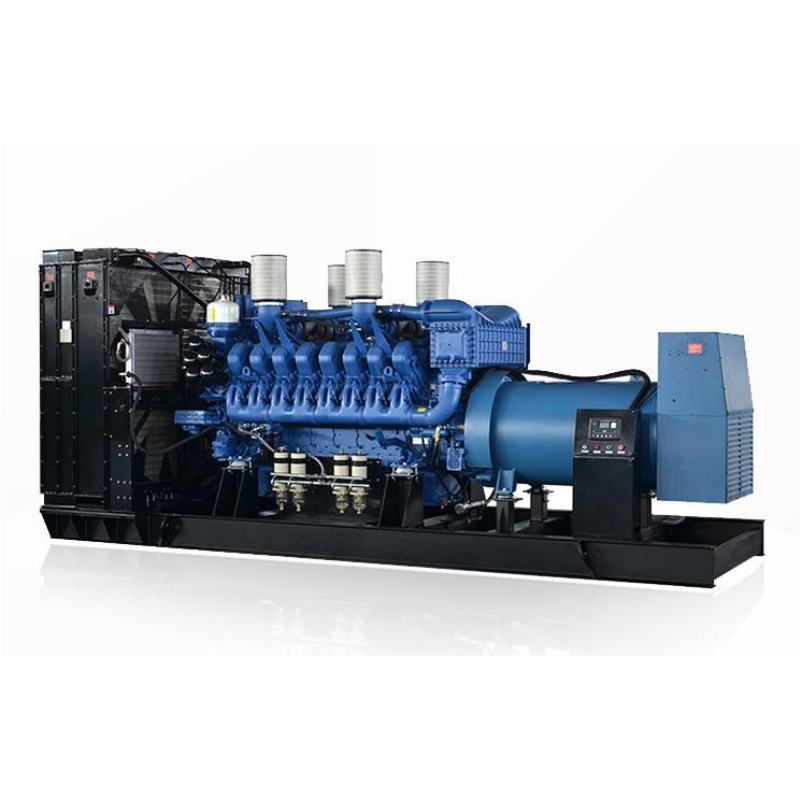
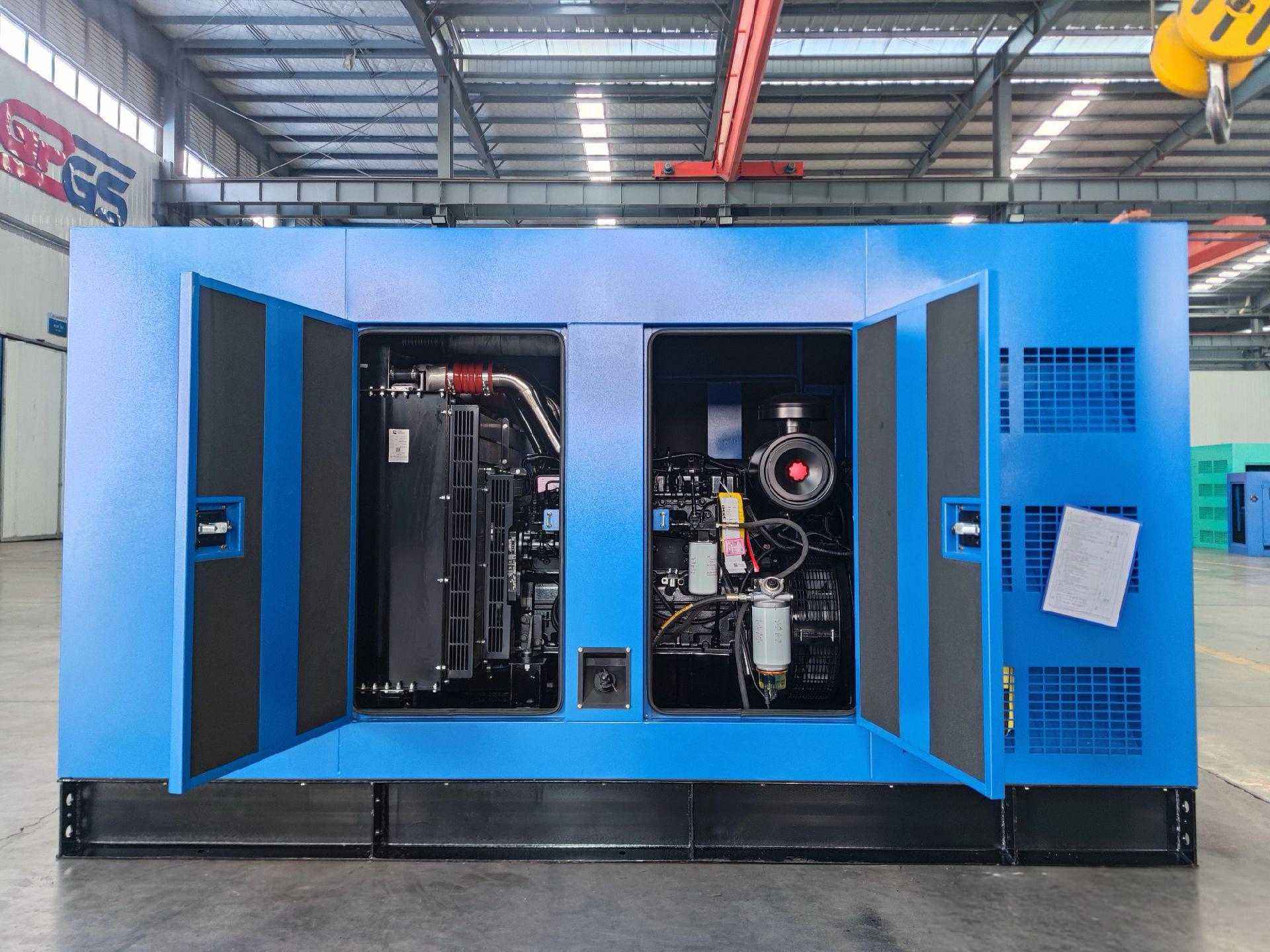
A Cummins generator set manufacturer such as Tesla Power does far more than bolt an engine to an alternator. The set is an integrated power system: a Cummins diesel engine, a brushless alternator rated to IEC 60034-1, a digital control module, a packaged cooling system, and an enclosure sized for the duty. Each subsystem has its own tolerance, and the builder is responsible for the interface between them. A responsible manufacturer documents the bill of materials for every set so the buyer can trace the engine serial, the alternator model, and the controller firmware. That traceability is the difference between a one-off assembly and a product serviced for ten years. When you evaluate a Cummins generator set manufacturer, the first question is not price but whether the build is engineered as a system or merely assembled as parts.
Why does the Cummins engine define the build?
The engine is the heart of the set, and a genuine Cummins block carries a serial the manufacturer can verify against Cummins documentation. Cummins publishes rating duties under ISO 8528-1, which defines four classes: prime (PRP), standby (ESP), continuous (COP), and limited-time running (LTP). A professional Cummins generator set manufacturer quotes the set against the correct duty, because the same engine yields different power at 0.8 pf depending on whether it runs 24 hours a day or only during an outage. For example, a 500 kW prime-rated set and a 500 kW standby-rated set are not interchangeable. Tesla Power states the duty, the ambient limit, and the altitude correction, because those three change the real delivered power.
How does the production line turn a spec into a running set?
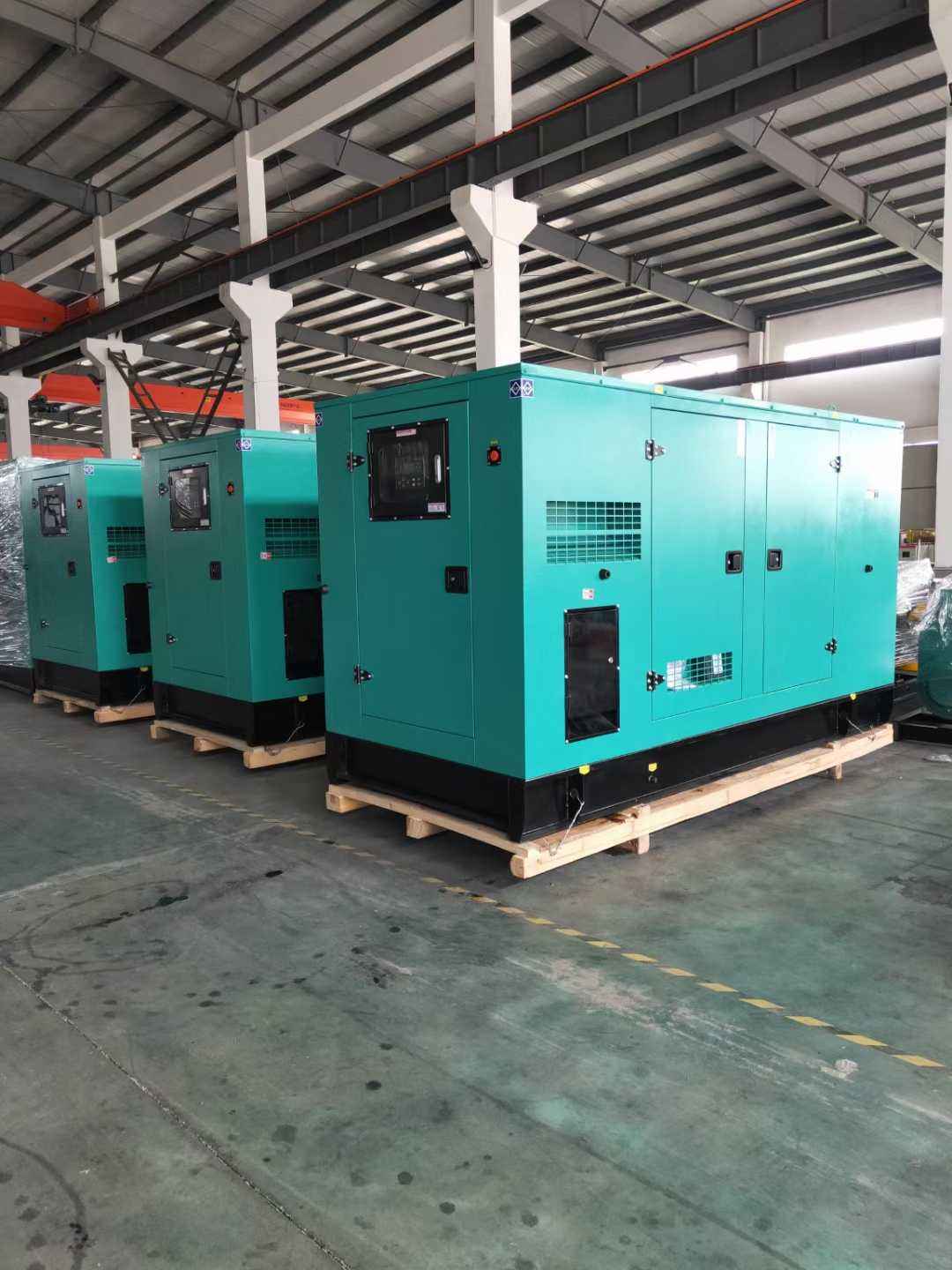
A credible production line follows a fixed sequence rather than improvising per order. The manufacturer receives the load specification, selects the engine and alternator pair, builds the skid and canopy, routes the exhaust and fuel lines, wires the control panel, and fills the coolant and oil. After mechanical completion the set moves to the test bay, where a serious Cummins generator set manufacturer separates itself from a trader: Tesla Power’s test bay runs the set under progressive load steps and records the readings. The whole process is governed by a quality system such as ISO 9001:2015, which requires documented procedures and traceable records for each stage. A buyer who visits the plant should see a test bay with load banks, not just a warehouse of crated units. The presence of load banks is a fast, honest signal of whether the factory validates what it ships.
Quality systems and certifications a serious manufacturer must hold
ISO 9001:2015 is the baseline quality-management standard a manufacturer should hold, because it forces documented control over purchasing, production, and inspection. Beyond the management system, the set itself is built to technical standards: ISO 8528-1 for rating definitions, ISO 8528-5 for performance, IEC 60034-1 for the rotating machine, and IEC 60034-22 for the tropical insulation class where required. A Cummins generator set manufacturer that quotes these standards by number is showing it designs to them, not around them. Compliance paperwork is what lets the set enter a market, so the builder must supply the right certificate for the destination: the EU Machinery Regulation (EU) 2023/1230 for CE marking, and EPA Tier 4 Final for the United States. A manufacturer that knows the destination rule and supplies the matching certificate saves the buyer weeks at the border. Noise is a measured parameter, not a claim: the EU Outdoor Noise Directive 2000/14/EC requires sound-power marking, and a silent type generator set is typically rated near 75 dB(A) at 7 m. Tesla Power asks for the test sheet, because if the manufacturer cannot produce a measured noise figure, the “silent” label is marketing rather than engineering.
How do you size the set before you order?
Sizing comes before negotiating price, because the wrong rating wastes the whole order. The buyer lists every load, separates motor starting current from running current, and adds a contingency for future growth, normally 15% to 25%. The set is then selected against the correct ISO 8528-1 duty. A Cummins generator set manufacturer should return a sizing sheet, not a single number, and the sheet should state the power factor, usually 0.8, so the kW and kVA figures are not confused. Our generator set sizing calculation guide walks through the load list step by step. Tesla Power returns a sizing sheet because it shows the set will actually start the largest motor, not merely run the average load.
A worked standby sizing example
Suppose a site needs 160 kW of running load with one 30 kW motor that starts direct-on-line. The motor starting load can reach roughly 6 times running current, so the set must carry about 160 kW plus the starting surge, and a sensible standby choice is a 200 kW set, equal to 250 kVA at 0.8 pf, which leaves margin for the motor inrush without tripping. The manufacturer confirms the alternator sub-transient reactance is low enough to hold voltage during that start. This single calculation is why a sizing sheet beats a quote: it proves the set will start the largest motor, not merely run the average load.
Power range a Cummins genset manufacturer typically covers
Cummins-powered sets span a wide band, and a manufacturer states the approved ratings it can build rather than implying unlimited capacity. The table below shows common duty points a professional builder will quote, each verified against the standard power-segment list and stated at 0.8 pf. Our Cummins genset rating article explains the four ISO duties in detail.
| Application | Prime power (kW) | Apparent power (kVA at 0.8 pf) | Typical duty |
|---|---|---|---|
| Home / small shop | 20 | 25 | Standby (ESP) |
| Factory backup | 200 | 250 | Standby (ESP) |
| Commercial building | 500 | 625 | Prime (PRP) |
| Industrial plant | 1000 | 1250 | Prime (PRP) |
| Large site / parallel | 2000 | 2500 | Continuous (COP) |
Reading the rating plate correctly
The nameplate is the legal source of truth, and a careful Cummins generator set manufacturer makes it match the test report. Read the duty letter first, then the rated kW at 0.8 pf, then the ambient and altitude limits. If the plate shows 500 kW but the site sits at 2000 m, the usable output after the ISO 3046-1 deration is well below the nameplate, and the manufacturer should have stated the derated figure in the offer. Never compare two quotes by the big number alone; compare them by duty, ambient, and altitude, because those three change the real delivered power.
OEM, ODM, or trader: which supplier fits your order
Buyers should know which kind of seller they are dealing with, because each carries different risk. An OEM designs and builds the set under its own quality system. An ODM builds to a buyer’s brand specification. A trading company resells sets it did not build and cannot load-test. A genuine Cummins generator set manufacturer is an OEM or ODM with a plant, a test bay, and service staff; Yangzhou Tesla Power Equipment Co., Ltd. is an OEM with a plant and a service network, while a trader mainly moves paper and containers. For a single standby set, a trader may be acceptable if the underlying factory is named and certified, such as the Cummins genset dealers we work with. For a fleet or a critical site, buy from the manufacturer directly so warranty and spare parts flow from one accountable entity, and review the full Cummins generator set product range before choosing.
What should factory acceptance testing include?
Factory acceptance testing (FAT) is the moment a Cummins generator set manufacturer proves the set works, and a proper FAT covers more than a no-load start. The set is run at 0%, 25%, 50%, 75%, and 100% of rated load, with voltage, frequency, oil pressure, and coolant temperature recorded at each step. The controller exercises the start sequence, the protection alarms are triggered, and the set is held at full load for a sustained period. Tesla Power records voltage, frequency, and temperatures at each step and returns the signed sheet. NFPA 110 Type 10 expects emergency start within 10 seconds, so the test should demonstrate that timing. A buyer should receive the FAT report with signatures, not a generic certificate. A manufacturer that refuses a witnessed or recorded FAT is asking you to accept an unproven set. The same discipline applies to a trailer-mounted generator set, which must be tested before it leaves the plant.
Lead time, warranty, and after-sales you can verify
A Cummins generator set manufacturer should state lead time, warranty length, and the spare-parts promise in writing before the contract is signed. Standard build windows for a configured set commonly run from 15 to 45 days depending on engine availability and enclosure complexity, though this varies by model and should be confirmed against the specific configuration. Warranty is typically expressed in months on the prime mover and the alternator, and the manufacturer should name the service network that honors it. Tesla Power pins the warranty period, the response time, and the parts source in the contract, because those terms decide whether a fault becomes a one-day fix or a month-long outage. A practical example is the 500 kW open-frame genset, whose build window and service terms are quoted per configuration.
Red flags when you evaluate a manufacturer
Several signals tell you to walk away from a supposed Cummins generator set manufacturer. The first is no load bank in the plant, which means sets ship untested. The second is refusal to state the ISO 8528-1 duty or to provide a sizing sheet. The third is a certificate that does not name your destination market. The fourth is a price far below the market with no explanation of the build difference. The fifth is inability to show engine serial traceability back to Cummins, which our where Cummins generators are made explainer covers in full. Any one of these is enough to pause; two together mean the supplier is a trader dressing as a factory. A careful buyer treats the document set as seriously as the machine, because the documents are what clear customs, pass inspection, and support the set for its service life.
Before signing, ask the Cummins generator set manufacturer a short, direct list: which ISO 8528-1 duty does the quoted power represent; what is the altitude and ambient deration; which certificates cover my destination; can I see the FAT report format; what is the real lead time; and who services the set locally. A manufacturer that answers all six with specifics and documents is a safe choice. One that deflects or generalizes is not. The goal is to move the conversation from promises to evidence, because a generator set is bought once and relied upon for a decade.
Frequently asked questions
What does a Cummins generator set manufacturer do?
A Cummins generator set manufacturer integrates a genuine Cummins diesel engine with an alternator, controller, cooling, and enclosure into a tested power system. It selects the rating against ISO 8528-1 duty, builds the skid, runs factory acceptance testing under load, and supplies the compliance certificates for the destination market before shipment.
Is a Cummins-powered set the same as a Cummins-built set?
No. “Cummins-powered” means the engine is a genuine Cummins block inside a set built by another company, whereas a Cummins-built set is produced by Cummins itself. Most buyers work with a Cummins generator set manufacturer that uses Cummins engines; the key is that the engine serial is verifiable and the set is load-tested by the assembler.
Which certifications prove a manufacturer is compliant?
The certificates depend on destination: CE marking under the EU Machinery Regulation (EU) 2023/1230 for Europe, EPA Tier 4 Final for the United States, and Stage V under Regulation (EU) 2016/1628 for European non-road mobile equipment. A professional supplier names the exact rule for your market and provides the Declaration of Conformity with the shipment.
How long does a custom Cummins genset take to build?
Lead time varies by engine availability and enclosure, but a configured set commonly ships within 15 to 45 days from order confirmation. Critical or parallel systems take longer because they need additional testing. A reliable Cummins generator set manufacturer confirms the real window against the specific model rather than quoting a generic number that slips later.
What power range can a Cummins genset manufacturer cover?
Cummins-powered sets span roughly 20 kW (25 kVA at 0.8 pf) for small sites up to around 2000 kW (2500 kVA at 0.8 pf) for parallel industrial plants. The manufacturer quotes only the approved duty points it can build and test, and states each rating against its ISO 8528-1 class rather than implying unlimited capacity.
Should I buy from a factory or a trading company?
For a single standby set a named, certified trader may be acceptable, but for fleets or critical sites buy from the Cummins generator set manufacturer directly. Direct purchase keeps warranty, spare parts, and service under one accountable entity, which matters most when the set must run during an extended outage and support has to respond fast.
What is included in factory acceptance testing?
FAT runs the set at 0%, 25%, 50%, 75%, and 100% of rated load while recording voltage, frequency, temperatures, and pressures. It exercises the start sequence and the protection alarms, and holds full load to confirm stability. For emergency duty, NFPA 110 Type 10 requires start within 10 seconds, and the test should demonstrate that timing with a signed report.
How do I verify a manufacturer’s claims?
Ask for the engine serial traceability to Cummins, the ISO 9001:2015 certificate, the destination-specific compliance papers, and a sample FAT report. A credible Cummins generator set manufacturer provides all four without hesitation. Missing or vague documents are the strongest signal that the seller is a trader rather than a builder.
Written by the engineering team at Yangzhou Tesla Power Equipment Co., Ltd., a Cummins generator set manufacturer focused on tested, certified diesel power systems for industrial and standby applications.