
What buyers should know first
Export generator projects can lose time when the equipment is technically correct but the packing, lifting, unloading, or document scope is unclear. Buyers should check logistics details before shipment release, especially for silent and containerized generator packages.
For Yangzhou Tesla Power Equipment Co., Ltd., the useful RFQ usually starts with load size, duty rating, site conditions, voltage and frequency, enclosure style, control requirements, and the documents the purchaser needs for project approval.
In practice
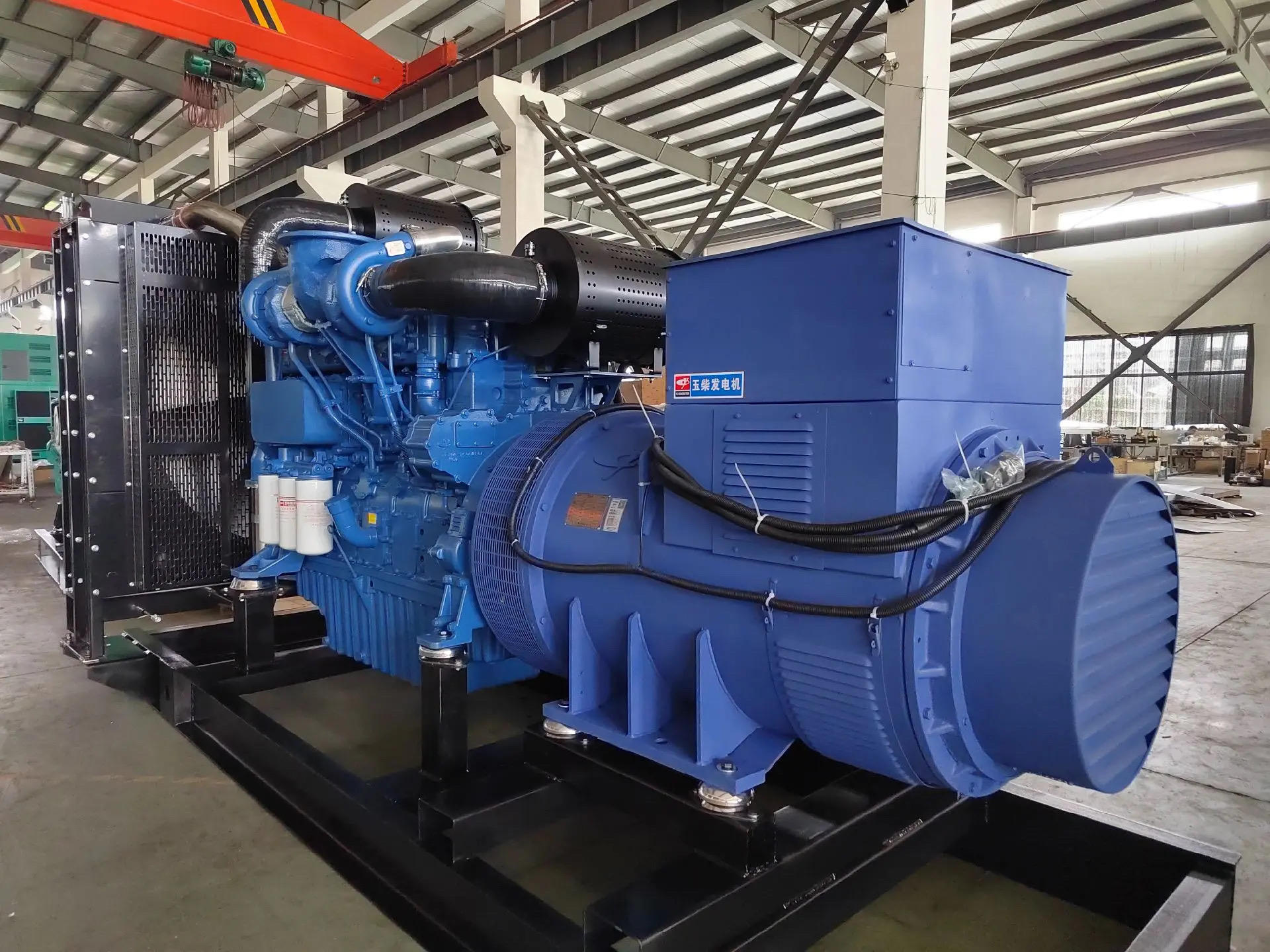
The quotation and pre-shipment checklist should connect the generator dimensions, net weight, gross weight, lifting points, packing method, container loading plan, and document package. These details help the importer prepare unloading equipment and avoid site delays.
| Shipment detail | What to verify | Why it matters |
|---|---|---|
| Dimensions | Overall length, width, height, and package size | Confirms transport and site access |
| Weight | Net and gross weight | Supports crane or forklift planning |
| Lifting | Marked lifting points or fork pockets | Reduces unloading risk |
| Photos | Nameplate, packing, and loading photos | Gives buyer evidence before release |
Specification points to confirm
- Request final general arrangement drawing before booking shipment.
- Confirm lifting points, fork pockets, center of gravity notes, and unloading method.
- Ask for packing photos and loading photos before shipment release.
- Check whether accessories, batteries, silencers, manuals, and loose parts are packed with clear labels.
- Match nameplate, packing list, invoice, and factory test record before documents are sent.
Common mistakes to avoid
- Booking transport using generator set dimensions instead of packed dimensions.
- Assuming the destination site has the correct lifting equipment.
- Mixing loose accessories without a clear packing list.
- Approving shipment without checking nameplate photos and document consistency.
Before requesting a quotation
Ask the supplier to separate the generator set scope from the site installation scope. The generator quotation can normally define the set, enclosure or frame, control panel, breaker, radiator arrangement, silencer, batteries, drawings, and test documents. Civil works, fuel piping, exhaust duct routing, cables, and local approval items should be checked with the site contractor unless they are explicitly included.
- Destination port or delivery point and unloading restrictions if known.
- Package type: open, silent, weatherproof, trailer, or containerized.
- Need for wooden packing, anti-rust protection, or accessory labels.
- Required pre-shipment photos, factory test report, and packing list.
- Importer document requirements for customs or owner handover.
Related products and technical notes
Related generator examples can be reviewed on <a href="https://www.tesladieselgeneratorset.com/products/factory-sale-1400kw-alternator-generator-1750kva-diesel-genset-for-cummins-engine-ktas0-gs8-multiple-voltage-ats-230v-240v-480v/">this diesel generator product page</a>. Purchasers comparing project requirements can also read <a href="https://www.tesladieselgeneratorset.com/standby-diesel-generator-load-bank-testing-checks-handover/">load bank testing checks before handover</a> before sending the final RFQ.
Packing decides the count as much as the crate does. The same 500 kVA set fits two per box in a canopy and six on an open skid — the arithmetic behind that gap is in how many generator sets fit in a 40ft container.
Questions purchasers often ask
Should buyers ask for packed dimensions?
Yes. Packed dimensions and gross weight are more useful for transport planning than generator dimensions alone.
What photos are useful before shipment?
Common useful photos include nameplate, controller display, generator overview, accessories, packing, and loading photos.
Are batteries always shipped installed?
Battery shipping practice depends on project scope, shipping rules, and buyer requirement. The RFQ should define whether batteries are included and how they are packed.
Why check loose accessories?
Silencers, flexible exhaust parts, manuals, batteries, tools, or spare filters can be packed separately. Clear labeling reduces missing-part disputes after arrival.