
Diesel generator set depreciation rate follows duty, running hours and service records, rather than the plate year, so the resale figure starts with those records.
How Fast Does a Diesel Generator Set Lose Value?
A diesel generator set loses value at two speeds. A prime-duty set running 4,000 hours a year reaches the 20,000-hour overhaul that Tesla Power records for its Cummins QSL9-G5 build in five years. A standby set running 200 hours a year is priced on calendar condition and records, because how long a diesel generator set lasts follows duty, not hours.
- Running hours bind first on prime duty. At 4,000 hours a year the overhaul interval arrives in five years, and that date, not the build date, sets the price.
- Calendar condition binds on standby duty. Fuel quality, coolant chemistry, seals and batteries decide the figure on a set that runs a few hundred hours a year.
- Records move the number more than paint does. A logged oil-analysis file supports a higher figure than a resprayed canopy with no paperwork behind it.
- Rating class fixes the buyer pool. A standby-rated set cannot be sold into continuous duty, which caps what a prime-duty operator will pay.
Running Hours and Load Factor Drive the Number
A diesel generator set ages along its running hours, and load factor decides how fast those hours accumulate. A construction-site set on prime duty can log 4,000 hours in a year, while the same model on hospital standby may log 200. Divide the 20,000 to 30,000 running hours recorded for the Cummins QSL9-G5 build by either figure, and the two machines reach overhaul condition decades apart. Load factor changes wear as well as hours: a set held at 70 to 80 percent of its rating keeps cylinder temperature in the normal band, while a set idling at 20 percent runs cold, glazes its bores and loads the exhaust with unburnt fuel. A lightly used standby machine can therefore carry more internal wear than a busy prime machine of the same age, and a 400 kW set rated 500 kVA at power factor 0.8, held on standby duty, is where that gap shows first. Tesla Power records that interval on the build sheet, which makes the comparison possible.
Why Prime and Standby Ratings Age at Different Speeds
Prime and standby ratings describe different machines, and the gap appears in resale value first. ISO 8528-1:2018 separates emergency standby power, prime power, limited-time running power and continuous power, each with its own permitted duty, and performance classes G1 to G4 fix how tightly voltage and frequency are held.
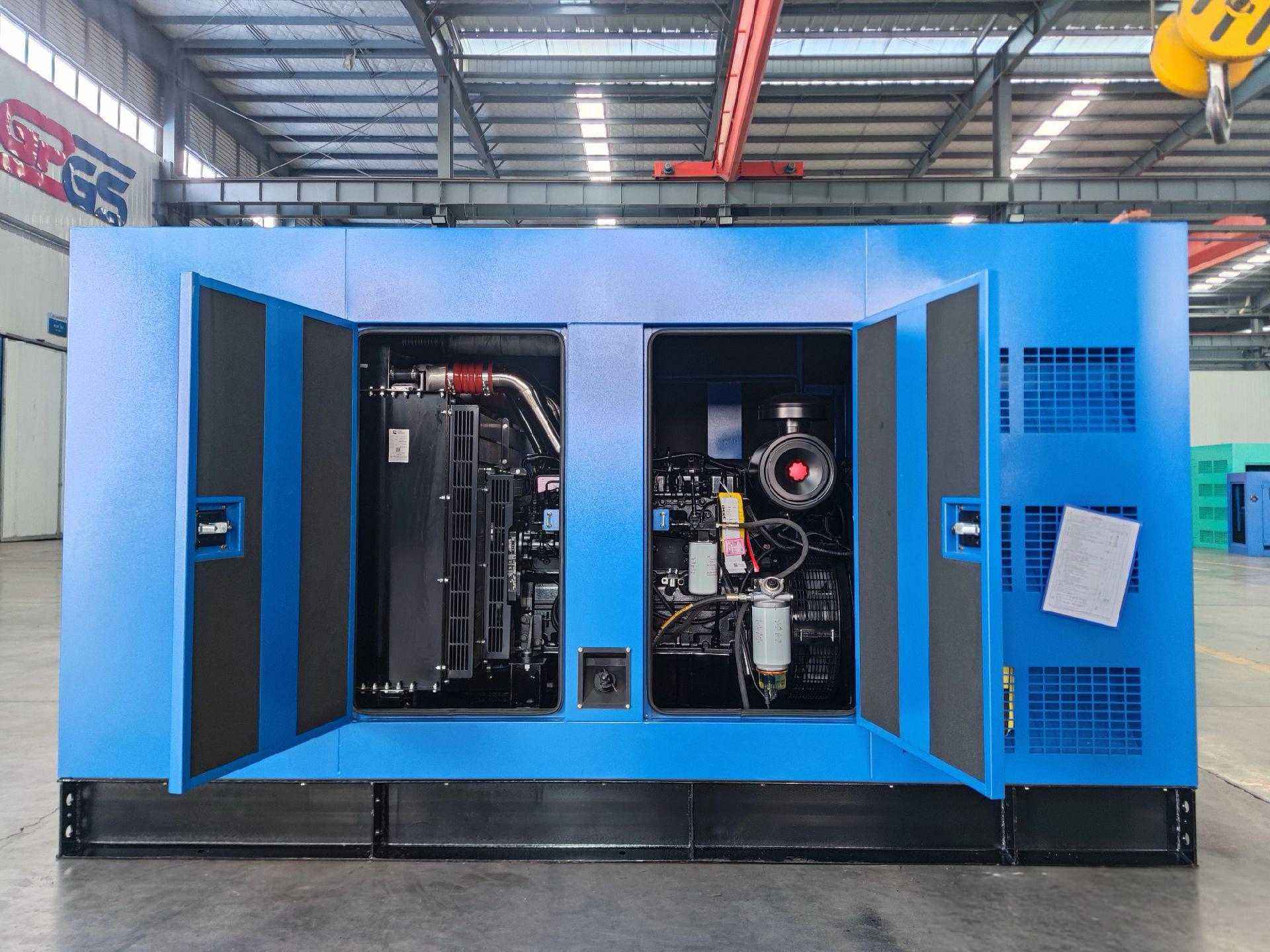
A set rated for emergency standby power carries a variable load for a limited number of hours a year, while a prime power set carries a variable load indefinitely at a declared load factor. The class survives into the used market because the governor, voltage regulator and alternator were selected for it, so the same nominal rating built for standby duty is not the same asset as one built to run continuously.
What Do Maintenance Records Do to Resale Value?
Maintenance records separate a machine that has been looked after from one that has only been cleaned, and they are the cheapest evidence a seller can produce. The oil change interval recorded for the Cummins QSL9-G5 build is up to 500 hours in normal duty, with spin-on oil, fuel and air filters that need no special tools. A file of 500-hour services, oil-analysis reports and annual load tests answers the question a buyer actually asks, and NFPA 110 gives standby installations a testing rhythm to compare against. Tesla Power ships a factory test report with each set, covering the full-load heat run and load acceptance test, so a five-year-old unit stays traceable. Two sets of equal hours, one with the generator service record behind those intervals and one without, do not carry the same figure.
Does the Emissions Tier Decide Which Markets Will Buy It?
The emissions tier a used set carries decides where it can be resold at all, before condition or hours are discussed. Non-road diesel engines are regulated by the market they enter: the United States applies a tiered non-road programme, the European Union applies Stage limits under Regulation (EU) 2016/1628, and other markets set their own schedules. A set built to an older tier can still be sold where that tier is accepted, but it cannot enter a market that has moved on, and the narrowed buyer pool shows in the price. Age and tier differ, so an appraiser reads the engine plate and the emission document rather than the enclosure date. Where the destination rules are unclear, treat the tier as an open question and price the risk rather than assume the best case.
Canopy, Controls and Accessories: What Survives Resale
Enclosure, controller and accessories hold value in proportion to how easily a second owner can use them. A sound-attenuated canopy with intact door seals, working locks and undamaged louvres is a cost the next buyer does not repeat. The same applies to a controller that still supports remote monitoring and to a transfer switch matched to the set it serves, so a matched generator transfer switch places more easily with the machine than a bare unit that still needs switchgear. Savings taken at build can cost value later, and a trailer with damaged running gear is worth less than its engine. The same logic sets the diesel generator set depreciation rate a rental fleet carries on its own book.
How the Diesel Generator Set Depreciation Rate Is Calculated
Book depreciation is arithmetic, and repeating the arithmetic is what makes a resale figure defensible. Straight-line depreciation spreads the depreciable base evenly across the assumed asset life: divide the base by the life in years to get the annual charge. Declining-balance depreciation applies a fixed percentage to the opening book value each year, so the charge is largest in year one and the curve never reaches zero on its own. Neither method knows anything about running hours, which is why an hours-based estimate runs alongside them; Tesla Power adds the recorded overhaul interval to that calculation, and the lower of the two figures is used for a used machine.
| Measure | Standby set, 200 h per year | Prime set, 4,000 h per year |
|---|---|---|
| Years to the 20,000-hour overhaul mark | 100 years at this annual rate | 5 years at this annual rate |
| Limit that binds first | Calendar degradation: fuel, coolant, seals, batteries | Running hours and overhaul interval |
| What a buyer prices first | Service records, test results, enclosure condition | Hours, overhaul status, remaining life |
| Evidence that supports the figure | Annual load test and oil-analysis history | Hours log and verified overhaul record |
| Method that fits the asset | Straight-line against calendar life | Hours-based against the overhaul interval |
The numbers repeat in a form a buyer can check. Take a depreciable base of 100 units over a ten-year assumed life: straight-line charges 10 units a year, so 60 units remain after four years and 40 after six. Declining balance at 20 percent a year applies 0.8 four times, leaving 40.96 units after four years and 32.77 after five. The hours route gives a third answer: 20,000 running hours divided by 4,000 hours a year is five years, and divided by 200 hours a year is 100 years. Asset life is a tax decision rather than an engineering constant, so the recovery period each market sets has to be confirmed before the calculation is used.
How Do Buyers Verify Hours Before They Pay?
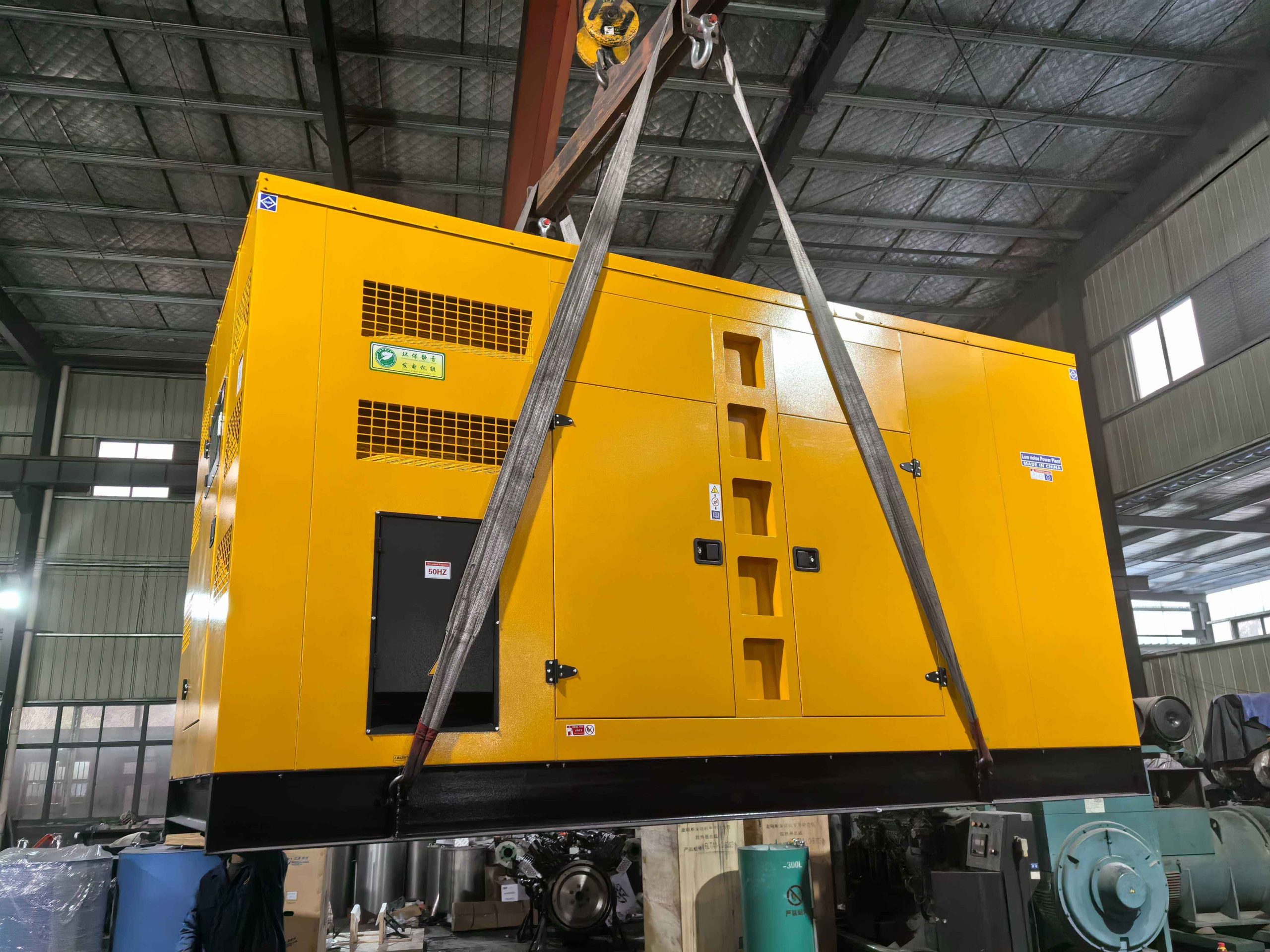
Buyers verify hours from two sources that should agree: the hour meter and the engine control module. A mechanical meter can be replaced and an electronic one can be reset, but the control module on an electronically governed engine keeps a run history that is harder to rewrite. Ask for the diagnostic readout beside the meter photograph, then check that the two sit within a few hours of each other; a gap of hundreds of hours is a question worth asking, and a refusal to produce the readout answers it.
The second check is a loaded run, because a set that starts and idles proves very little. Tesla Power publishes steady-state frequency regulation of plus or minus 0.25 percent and total harmonic distortion below 5 percent at balanced load for the Cummins QSL9-G5 build, and both figures are easy to watch during a test. Hours mean little until they are read against the load the set was chosen for, and sizing a diesel generator against its load explains what that rating was built to do.
What Shortens Service Life Fastest?
Light load, cooling neglect and overload shorten service life faster than total hours, and each leaves a trace a buyer can find. A set that spends its life below about 30 percent of rating runs cold, and wet stacking shows up as oily exhaust deposits, dark lube oil and a restricted exhaust path. Cooling neglect shows in the radiator core and in coolant chemistry long before it becomes a temperature alarm. Sustained overload shows in the exhaust manifold and the alternator winding, so a set run above its declared rating carries a shorter expected life than its hour meter suggests.
Installation conditions do the rest: a room without an adequate air path derates the set, coastal air corrodes the enclosure and terminals, and a trailer towed without restraint damages its own mounts. Tesla Power names the air path and clearance each configuration needs, so a set installed against that guidance shows fewer of these traces. Two installations of the same model can therefore reach the same age with different remaining life, which is why a site visit or dated photographs belong in the valuation file rather than in a later argument.

Frequently Asked Questions
What is a normal diesel generator set depreciation rate?
There is no single rate, because duty sets it. On prime duty the 20,000 to 30,000 hour overhaul interval converts to about five years at 4,000 hours a year, and value tracks that interval. On standby duty the calendar limit dominates, so a ten-year book life with a straight-line charge of 10 percent a year is a reasonable planning frame, subject to the tax rules where the asset sits.
Does a low-hour standby set keep more of its value?
A low-hour standby set keeps more than a high-hour set of the same age, but not because the engine is fresh. Low hours on standby duty mean the calendar limit governs the price: fuel condition, coolant chemistry, seals, batteries and the enclosure. A low-hour set without load-test history is worth less than a slightly higher-hour set with annual test records.
How much does missing service paperwork cost at resale?
Missing paperwork costs more than most sellers expect, because it turns a known machine into an unknown one. A buyer who cannot see the 500-hour oil services, an oil-analysis trend or a factory test report has to price the risk of an imminent overhaul, and deducts it in full. A complete file does not add the same amount back, so the loss is asymmetric.
Does an automatic transfer switch add resale value?
An automatic transfer switch adds value where the next user needs one, which covers most facility standby work, because a matched switch saves the buyer a separate purchase and a compatibility question. A switch sized for a different set, or one with no test record, adds little. The accessory has to match the machine and carry its own paperwork.
Can a used set be re-rated for a higher duty?
Only with engineering evidence, not with a new label. The rating is a property of the engine, alternator, cooling package and control settings as built and tested. A seller offering a higher rating than the plate should produce the manufacturer data sheet and a test record at that rating; without both, price the machine at its documented class.
How do emissions rules affect a used machine’s price?
Emissions rules decide which markets can accept a used set, and a narrower market means a lower price. A set built to an older emissions tier can still be sold where that tier is allowed, but it cannot enter a market that has moved to a later stage. Because the schedule belongs to the importing country and can change, check the shipping documents an export set travels with and confirm the current requirement before agreeing a figure.
Turning Hours Into a Price You Can Defend
The defensible figure comes from three inputs, not one: documented running hours, the rating class on the plate, and a service file that ties the two together. Tesla Power Equipment can supply the build record and test report for any set it has shipped, which closes the gap between an asking price and a defensible one. Run the book calculation for the accounting view, run the hours calculation against the overhaul interval for the engineering view, and take the lower result for a used machine. Where the book figure and the hours figure disagree, the reason is usually a standby set priced as though its running hours mattered, or a prime set priced as though calendar age decided everything.
Collect the control-module readout, the last load-test record and photographs of the plate, engine bay and enclosure before agreeing a number. Those three items answer most of what a buyer asks and cost nothing to assemble while the machine is still on site, before it is moved or sold. Send the hours log and a plate photograph through the generator quotation request page and the comparison starts from evidence rather than from a claim.
Written by the engineering team at Yangzhou Tesla Power Equipment Co., Ltd., a diesel generator set supplier in Jiangdu, China. Ratings follow ISO 8528-1:2018 definitions and the company’s own published specification sheets.