
A diesel generator set components guide names the eight parts that turn diesel fuel into backup power and the figures to check before you buy.
Key takeaways
A diesel generator set combines a diesel engine, alternator, cooling and exhaust system, fuel system, control panel, starting battery and a base frame. The engine makes mechanical power, the alternator turns it into electricity, and the control panel holds voltage and frequency inside ISO 8528-1 limits, as Tesla Power builds to.
- The diesel engine and alternator do the real work; everything else protects or controls them.
- Rate the set in kVA at 0.8 pf, then add margin for motor starting.
- A 160 kW / 200 kVA set at 0.8 pf is a common prime-rating starting point for a small site.
- Component quality, not nameplate power, decides how many years the set actually runs.
What Is a Diesel Generator Set?
A diesel generator set is a packaged power plant that converts the chemical energy of diesel fuel into electrical energy on demand. The assembly couples a compression-ignition diesel engine to a rotating-field alternator on one rigid base frame, with a digital control panel coordinating starting, protection and shutdown. A typical prime-rated 160 kW / 200 kVA set at 0.8 pf running at 50 Hz supplies a 400/230 V three-phase load, the voltage class used across most export markets. The whole package is engineered so a site can ride through a utility outage without manual wiring. Yangzhou Tesla Power builds these sets for standby, prime and rental duty, and each unit leaves the factory after a full-load acceptance test. For a Cummins-based build, our Cummins generator set wholesale page lists current engine options.
Diesel Generator Set Components: The Eight Core Parts
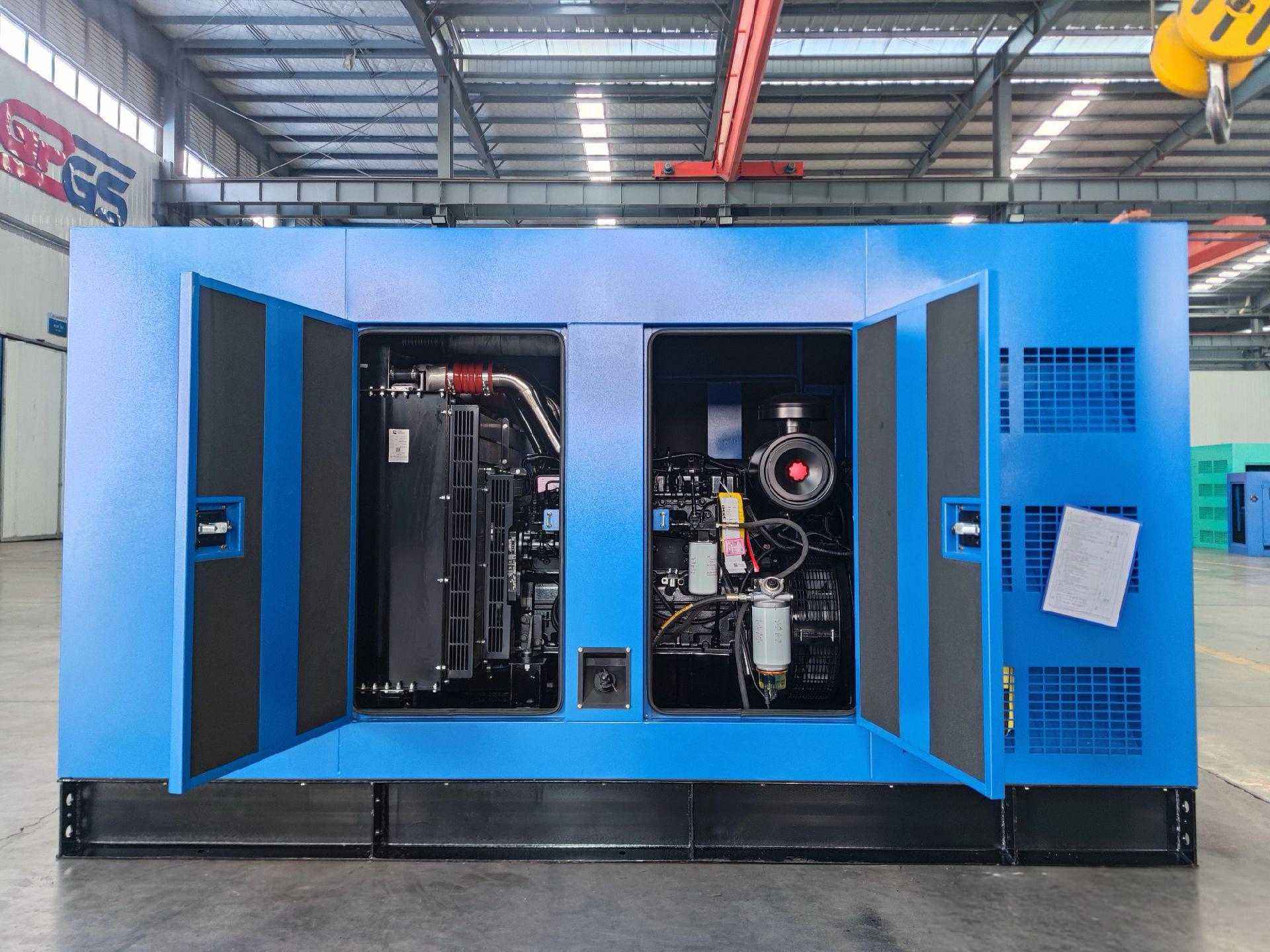
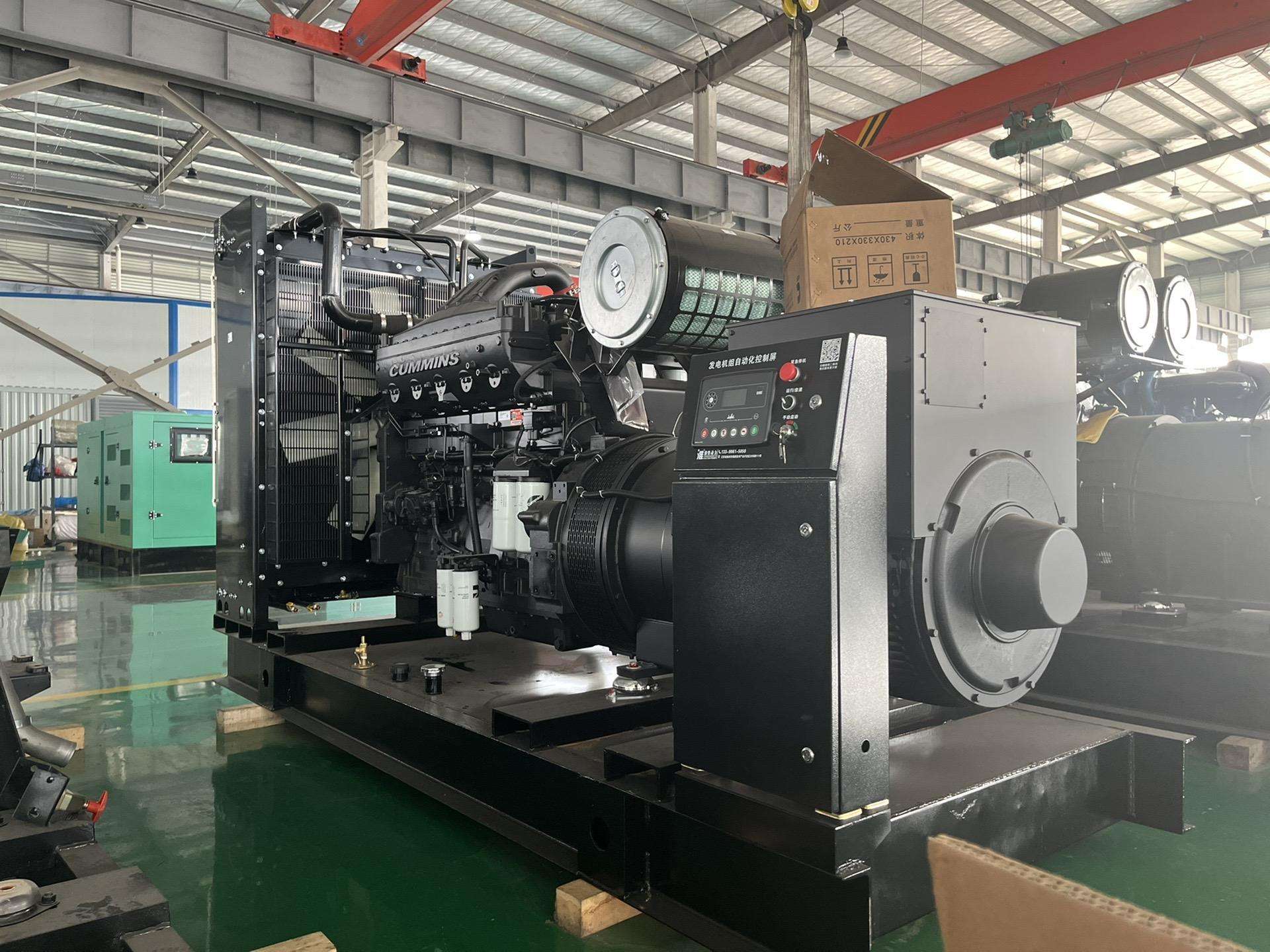
A diesel generator set contains eight components that every buyer should be able to name before signing a purchase order. The first is the diesel engine, which burns fuel to produce shaft rotation. The second is the alternator, which converts that rotation into alternating current. The third is the cooling system, made of a radiator, fan and coolant loop that reject the roughly one third of fuel energy not turned into electricity. The fourth is the exhaust system, which routes combustion gases safely away. The fifth is the fuel system, from tank to injector. The sixth is the control panel, the brain of the set. The seventh is the starting battery, which spins the engine on a 24V DC circuit. The eighth is the base frame, which carries vibration and lifts. Tesla Power ships these eight parts pre-aligned, so commissioning is mostly connection and a load test.
| Component | Function | Typical rating to verify |
|---|---|---|
| Diesel engine | Mechanical power from fuel | Inline 6, 4-stroke, turbocharged |
| Alternator | AC electricity from rotation | 400/230 V, 3-phase, 50 Hz |
| Cooling system | Rejects waste heat | Radiator + fan, closed loop |
| Exhaust system | Safe gas routing | Insulated, outward discharge |
| Fuel system | Storage to injector | Day tank + pre-filter |
| Control panel | Start, protect, shut down | Digital, auto start |
| Starting battery | Cranks the engine | 24V DC, gear-reduction |
| Base frame | Structure and lift | Steel skid, forklift points |
How Does the Diesel Engine Make Power?
The diesel engine is the source of all energy in the set, and its components decide both output and lifespan. A prime-rated 160 kW set typically uses an inline six-cylinder, four-stroke, turbocharged and charge-air-cooled block such as the Cummins QSL9-G5, governed isochronously by an electronic control module. Fuel enters through a high-pressure common-rail injection system that meters each cylinder for clean combustion and low smoke. The engine drives a 24V DC gear-reduction starter and a 28V / 50A belt-driven charging alternator that keeps the battery topped up while running. Per the 160 kW Cummins QSL9-G5 data sheet, the engine runs up to a 500-hour oil-change interval under normal duty, which is the single biggest driver of routine service cost, and it meets emissions limits such as Regulation (EU) 2016/1628. Tesla Power matches the engine to the alternator so neither is the bottleneck at full load.

What Does the Alternator Add to the System?
The alternator is the component that actually delivers usable electricity, and its electrical specifications are where buyers should look hardest. The rotating-field machine on a 160 kW set is a four-pole, brushless, self-excited unit with a digital AVR, producing 400/230 V three-phase output at 50 Hz. Per the 160 kW Cummins QSL9-G5 data sheet, steady-state frequency regulation holds at ±0.25 percent and total harmonic distortion stays below 2 percent at no load and below 5 percent on a balanced three-phase load. Transient response is built to ISO 8528 G3, the class most industrial loads require during step changes. A weak alternator shows up first as flicker on motor starts, so Tesla Power sizes the alternator with margin rather than to the bare nameplate. A 400 kW / 500 kVA set at 0.8 pf is the catalogue example of this alternator class, and it must also satisfy the UL 2200 stationary-generator standard where the market requires it.
Cooling, Exhaust and the Control Panel
Three supporting components decide whether the core parts survive: the cooling loop, the exhaust and the control panel. The radiator and fan must reject about one third of the fuel’s energy as heat, so louvre area and airflow are not cosmetic details. The insulated exhaust routes gases outward and keeps them away from the intake to prevent hot-air recirculation. The control panel is the component that ties everything together: it senses voltage and frequency, starts the engine on a 24V DC signal, transfers load through an ATS, and trips on fault. For emergency duty the panel logic follows NFPA 110 emergency-power rules, picking up the load within the required seconds. Tesla Power programs each panel to the site’s start mode, so the set behaves the same way every time the utility fails.
How a Diesel Generator Set Works: From Fuel to Outlet
A diesel generator set works as a straight chain from fuel to socket, and each component hands off to the next. The sequence below is the worked path for a 160 kW / 200 kVA prime set at 0.8 pf, the rating most small sites start from. A 1000 kVA Cummins KTA38 set at 0.8 pf shows the same discipline at large scale, just with a bigger engine block and a higher-current alternator.
- The 24V DC battery cranks the engine through the gear-reduction starter.
- The engine reaches governed speed and the alternator builds 400/230 V at 50 Hz.
- The control panel confirms voltage and frequency, then closes the ATS to the load.
- On utility return, the panel transfers back, cools down and shuts off automatically.
How Do You Size a Set From Its Components?
Sizing starts from the load list, not from a component catalogue, and the worked example below fixes the rating most buyers misjudge. Take a site whose running load sums to 120 kW with a 30 kW motor that starts direct-on-line. Step one, convert the running load to kVA at 0.8 pf: 120 kW ÷ 0.8 = 150 kVA. Step two, add the motor-starting surge, roughly 2.5 times the motor rating, which pushes the peak demand near 250 kVA. Step three, select the next standard prime rating with margin: a 200 kVA set covers running load and start, while a 250 kVA set adds headroom. A 200 kW set at 0.8 pf is the smallest of the standard catalogue ratings, and Tesla Power recommends sizing to about 80 percent load at full demand so the engine stays efficient and the alternator has start margin.
Why Do Components Decide the Lifespan?
The component spec, not the nameplate, is what determines how long a diesel generator set stays in service, and the data is consistent across well-built units. Per the 160 kW Cummins QSL9-G5 data sheet, a set under proper maintenance reaches 20,000 to 30,000 running hours before major overhaul, which equals about 15 to 25 years in typical standby duty. The oil-change interval of up to 500 hours and the spin-on filter design keep routine service simple, and the ECM stores fault codes and trend data for diagnosis. Burning up to B20 biodiesel is supported without modification, widening fuel sourcing for remote sites. Yangzhou Tesla Power treats the alternator and cooling loop as the components that fail first in hot climates, so those get the larger design margin. The generator set weight also shifts with these choices, because a heavier base frame and a larger radiator add both mass and lifespan.
Common Component Failures and What They Cost
Most field failures trace to a small number of components, and knowing them shortens downtime. The starting battery is the most common no-start cause: a 24V DC circuit left discharged through a parasitic load will not crank the engine, so a float charger is cheap insurance. The coolant loop is next, where a blocked radiator louvre forces the set into temperature derating and then shutdown. The control panel’s sensors fail silently, so a set may pass start test yet trip on a real outage. The fuel system suffers from water and microbial growth in the tank, which the pre-filter is meant to catch. Tesla Power recommends a maintenance checklist and a pre-shipment inspection so these components are checked on a schedule rather than after a failure, and our help and advice team can tailor the plan to your duty cycle.
Frequently Asked Questions
What are the main components of a diesel generator set?
A diesel generator set has eight core components: the diesel engine, the alternator, the cooling system, the exhaust system, the fuel system, the control panel, the starting battery and the base frame. The engine and alternator produce power, while the rest protect, cool and control them. Tesla Power ships all eight pre-aligned on one skid so commissioning is mainly connection and a load test.
Which component fails most often in a diesel generator set?
The starting battery causes the most no-start calls, usually a 24V DC circuit left discharged by a parasitic load. After that, radiator louvres and coolant loops cause temperature derating, and control-panel sensors fail silently. A float charger, scheduled coolant checks and a documented service plan prevent most of these component failures before they cause an outage.
How long do diesel generator set components last?
Per the 160 kW Cummins QSL9-G5 data sheet, a well-maintained set reaches 20,000 to 30,000 running hours, or about 15 to 25 years in standby duty. The oil-change interval runs up to 500 hours, and the ECM logs fault codes for diagnosis. Lifespan tracks component quality and service discipline far more than the nameplate power rating does.
What alternator rating should I check before buying?
Check the alternator’s voltage, phase and distortion, not just its kVA. A 160 kW / 200 kVA set at 0.8 pf should deliver 400/230 V three-phase at 50 Hz with frequency regulation near ±0.25 percent and total harmonic distortion below 5 percent on a balanced load. Transient response should meet ISO 8528 G3 for motor-starting loads. The alternator is sized with margin rather than to the bare nameplate.
Do I need a control panel with an automatic transfer switch?
For any unattended or emergency application, yes. The control panel senses utility loss, starts the engine on a 24V DC signal and closes the ATS to the load, following NFPA 110 timing rules. Without it, an operator must start and transfer manually, which defeats the purpose of backup power. Tesla Power pre-programs the panel to the site’s start mode so behaviour is repeatable.
Can component choices change the set’s noise and footprint?
Yes. An open-frame set exposes all eight components and needs a dedicated room, while a sound-attenuated enclosure adds louvres, an exhaust stack and noise parts on top of the base set. Enclosures change which components are easy to reach for service and add their own cooling margin. Yangzhou Tesla Power selects the enclosure after the site’s noise limit and space are known.
How do I size a set from the load list?
Convert the running load to kVA at 0.8 pf, then add motor-starting surge before picking the rating: a 120 kW load is 150 kVA at 0.8 pf, and a 30 kW direct-start motor pushes peak demand near 250 kVA, so a 200 kVA set is the typical choice. Size to about 80 percent load at full demand so the engine stays efficient and the alternator keeps start margin.
Written by the engineering team at Yangzhou Tesla Power Equipment Co., Ltd., drawing on the 160 kW Cummins QSL9-G5 data sheet and ISO 8528-1 rating practice. These sets are built open-frame and enclosed, from 20 kW to 1000 kVA at 0.8 pf, for standby, prime and rental duty, and each unit leaves after a full-load factory test. To discuss a build for your site, contact us for a specification review.